Gaza's Rafah Crossing Reopens After Nearly Two Years
After being closed for almost two years, Gaza's main gateway to Egypt began operating again this week, offering hope to thousands seeking medical care and reunification with families. The reopening marks a significant step in humanitarian access under the recent ceasefire agreement.
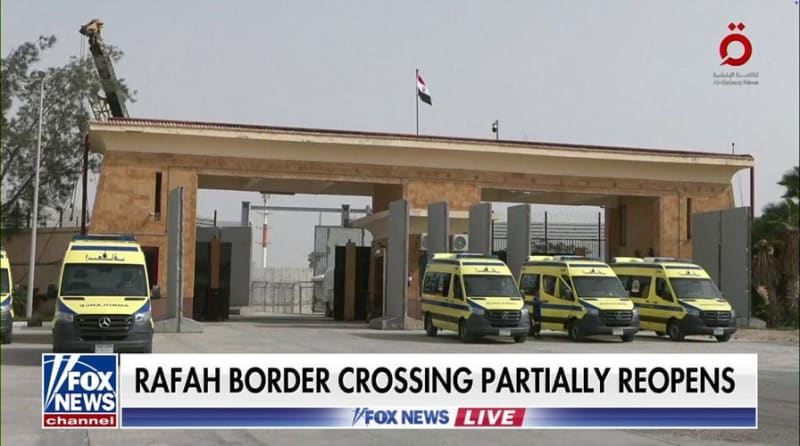
A critical lifeline for Gaza residents opened again Monday when the Rafah border crossing with Egypt resumed limited operations under the Israeli-Hamas ceasefire agreement.
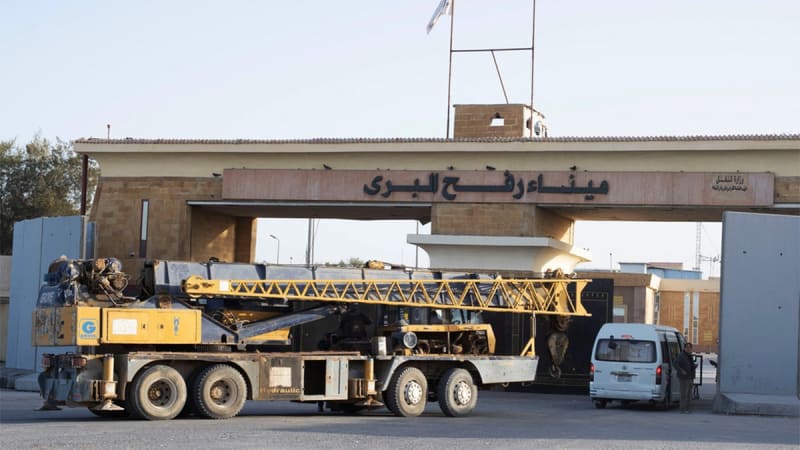
The crossing had been largely closed for nearly two years, cutting off Gaza's primary passage to the outside world. All other crossings into the territory are shared with Israel, making Rafah uniquely important for Palestinians seeking independent access beyond the territory.
Egyptian authorities approved 50 Palestinians to cross in each direction on the first day. While the number is small, it represents the first steps toward restoring movement for tens of thousands waiting to travel.
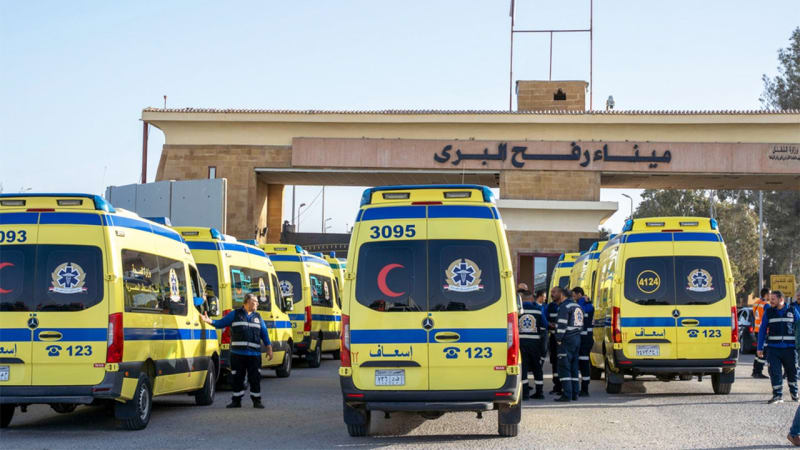
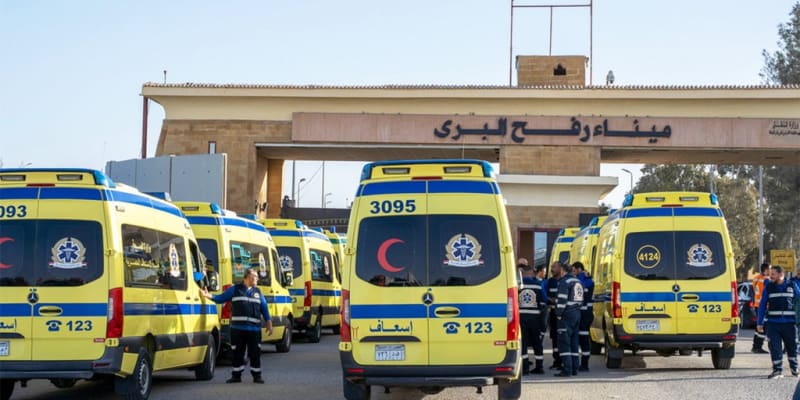
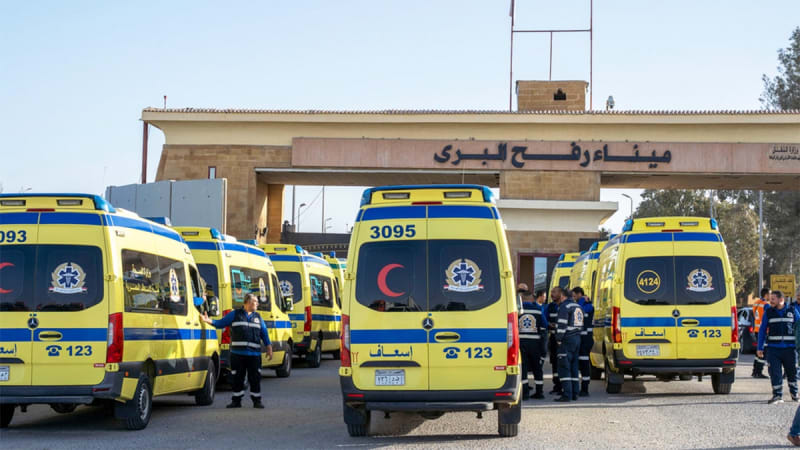
Health officials report that many Gaza residents with urgent medical needs are seeking evacuation through Rafah. Egyptian authorities prepared roughly 150 hospitals across the country to receive patients, while the Egyptian Red Crescent set up support areas on their side of the crossing.
Thousands of Palestinians currently outside Gaza are also hoping to return home. Before the war, Rafah served as the main route for family reunifications, student travel, and emergency medical evacuations.
The crossing operates under tight restrictions for now. Commercial goods cannot pass through, and both Israel and Egypt are vetting travelers with international oversight to balance humanitarian needs with security concerns.
The Ripple Effect
The reopening creates possibilities that extend far beyond individual crossings. Families separated for nearly two years can begin planning reunions, patients can access specialized treatments unavailable in Gaza, and students might return to universities abroad.
Egypt has emphasized that the crossing must function in both directions. The country has pushed back against any use of Rafah as a mechanism to permanently displace Palestinians from Gaza, insisting it serves as a humanitarian gateway rather than a one-way exit.
The ceasefire that enabled the reopening took effect in October, halting more than two years of fighting. Its initial phase focused on hostage exchanges, increased humanitarian aid, and limited military pullbacks.
The framework envisions broader changes ahead, including new governing arrangements for Gaza, an international security presence, and steps toward reconstruction. While those goals remain unresolved, the crossing's reopening offers a tangible sign of progress.
For the 50 people who crossed on the first day, the reopened border meant more than policy changes. It meant hope restored and journeys finally possible again.
More Images
Based on reporting by Fox News Latest Headlines (all sections)
This story was written by BrightWire based on verified news reports.
Spread the positivity!
Share this good news with someone who needs it