Gene Edit Makes Popular Probiotic Safe for Cancer Patients
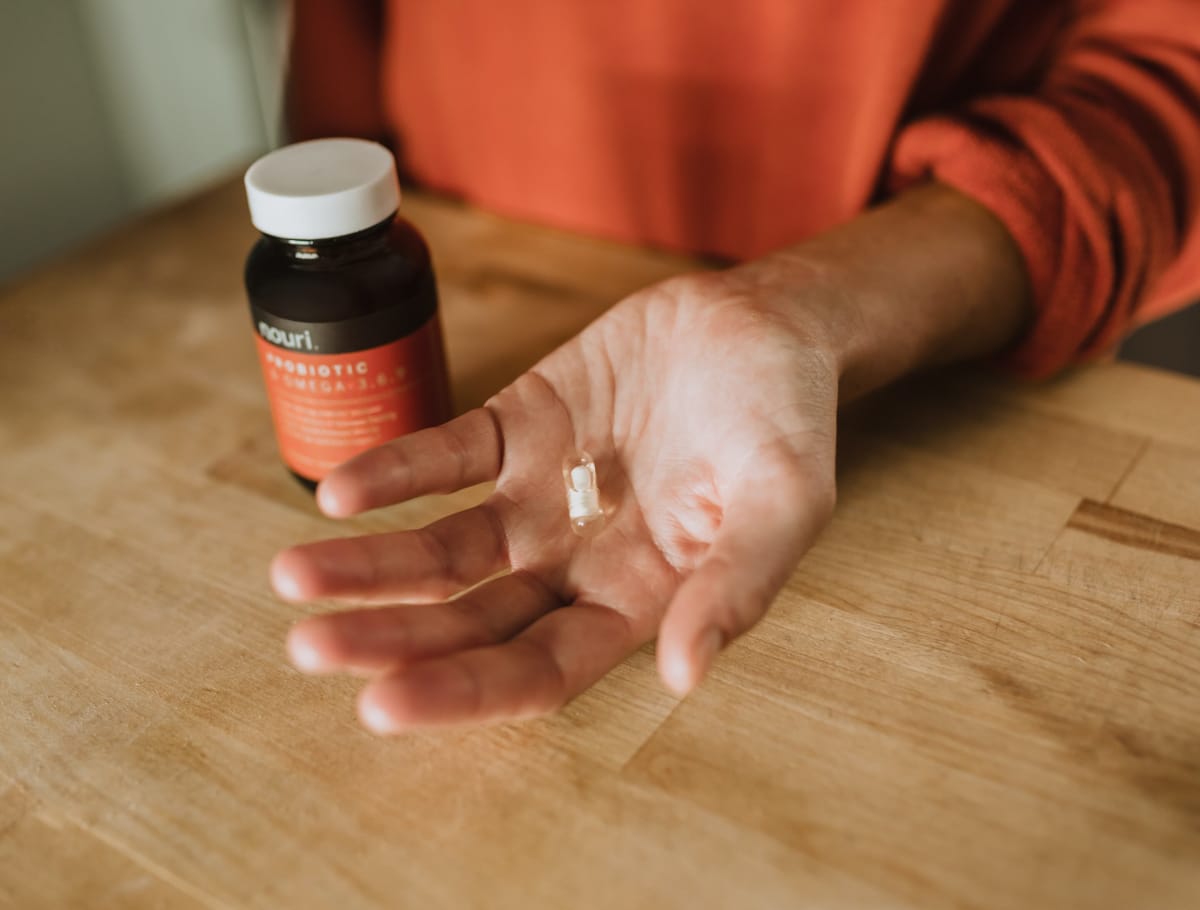
Scientists have genetically modified a common probiotic supplement to make it 100% safe for people with weakened immune systems. The breakthrough could finally allow cancer patients, babies, and elderly people to use probiotics without risk of dangerous infections.
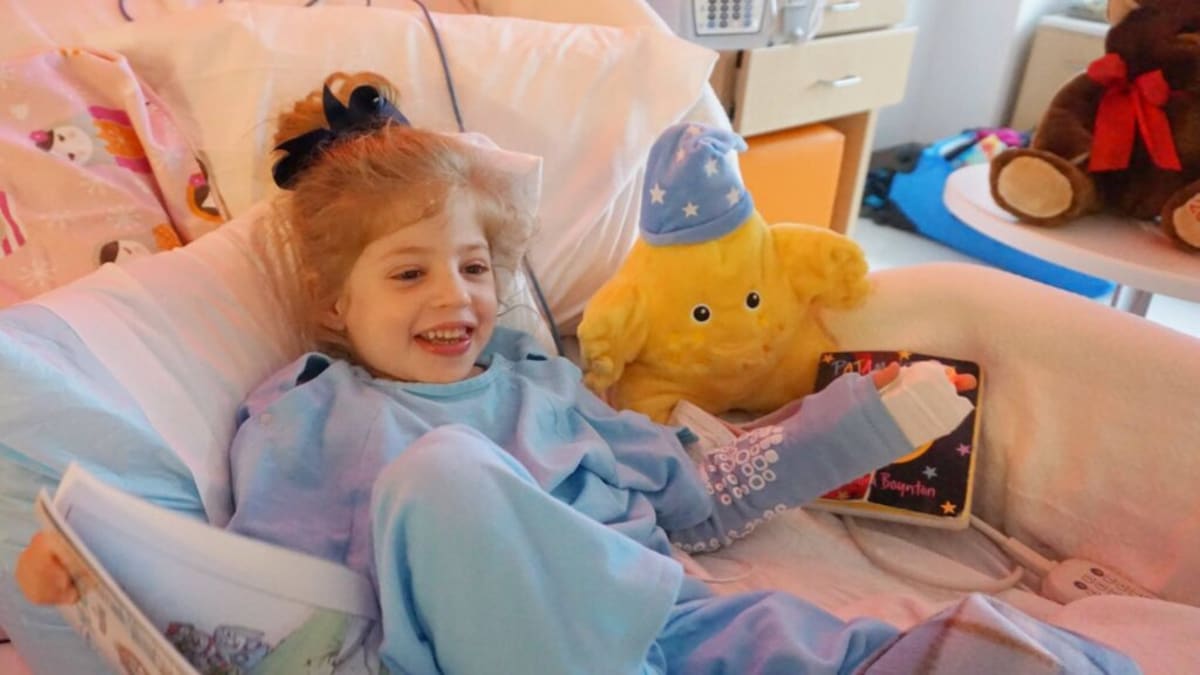
For years, doctors have watched helplessly as some of their most vulnerable patients developed life-threatening infections from the very supplements meant to help them. Now, researchers at North Carolina State University have cracked the code to make probiotics safe for everyone.
The team focused on Saccharomyces boulardii, a probiotic yeast sold in stores worldwide to promote gut health. While generally safe for healthy people, it has caused rare but sometimes fatal bloodstream infections in cancer patients, infants, and elderly individuals with compromised immune systems.
"Many people with gut disease also have compromised immune systems, which means probiotic treatment is often not an option for them," says Nathan Crook, associate professor at NC State. His team wanted to change that.
The researchers tested yeast samples from commercial probiotics and actual patients who had developed infections. They discovered something surprising: the most dangerous strains were also the best at surviving high-salt environments, a trait controlled largely by a gene called ENA1.
When they deleted that single gene, the results were dramatic. Mice infected with the most virulent strain had previously shown only a 30 to 40 percent survival rate. After the gene edit, survival jumped to 100 percent during the six-day experiment.
The best part? The modified probiotic still works just as well. Tests showed it inhibited harmful bacteria growth just as effectively as the original version and survived equally well in the gut.
The Ripple Effect
This discovery opens doors for millions of people who desperately need gut health support but can't safely take probiotics. Cancer patients undergoing chemotherapy often suffer severe digestive issues. Premature babies struggle with developing healthy gut bacteria. Elderly people in nursing homes fight recurring infections.
All of these groups could potentially benefit from probiotics, but the risk has been too great. This single gene deletion could change that calculation entirely.
The research, published in Communications Biology, represents more than just a safer supplement. It demonstrates that scientists can engineer helpful microbes specifically for vulnerable populations, creating a whole new category of precision medicine.
"This study demonstrates the potential for creating engineered probiotic therapies for use by immunocompromised patients," Crook notes. More research is needed before the modified probiotic reaches pharmacy shelves, but the proof of concept is solid.
Lead researcher Alexandra Imre says the team wants to understand exactly why salt tolerance relates to virulence. That knowledge could help make other probiotics safer too.
For now, this breakthrough shows that gene editing can make everyday health products accessible to people who need them most.
More Images
Based on reporting by Phys.org
This story was written by BrightWire based on verified news reports.
Spread the positivity!
Share this good news with someone who needs it