Gut Bacteria Boosts Muscle Strength by 30% in New Study
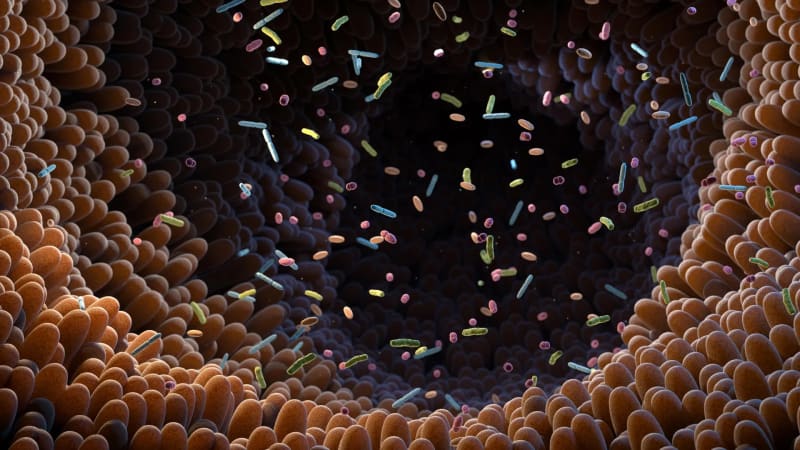
Scientists discovered a friendly gut microbe that made mice 30% stronger and built bigger muscles. The bacterium, already found in humans, could one day help people stay strong as they age.
Find uplifting stories about heroes, innovations, and solutions
8 results for "probiotics"

Scientists discovered a friendly gut microbe that made mice 30% stronger and built bigger muscles. The bacterium, already found in humans, could one day help people stay strong as they age.

Scientists discovered a gut bacterium common in Mediterranean diets that made mice 30% stronger, opening doors to future muscle-boosting supplements. The microbe could one day help elderly people fight frailty.

Scientists have genetically modified a common probiotic supplement to make it 100% safe for people with weakened immune systems. The breakthrough could finally allow cancer patients, babies, and elderly people to use probiotics without risk of dangerous infections.

Scientists discovered that fecal transplants from older mice actually improved fertility in younger ones, upending expectations and opening new paths for understanding gut health's role in reproduction. The surprising finding could one day lead to probiotics that support ovarian health in women.

Scientists developed a computer model that predicts with 80% accuracy which probiotics will successfully settle in your gut. The breakthrough could end the guessing game of supplement shopping and unlock personalized treatments for diabetes, digestive diseases, and more.

A simple food pairing could make expensive omega-3 supplements less necessary. University of Nottingham researchers found that drinking kefir with prebiotic fiber reduces inflammation markers more effectively than omega-3s alone.

Scientists have discovered a mysterious group of gut bacteria that shows up consistently in healthy people across the globe. The finding could reshape how we understand and protect our gut health.

Scientists discovered a mysterious group of gut bacteria that shows up far more often in healthy people than those with chronic diseases. The finding could reshape how we measure gut health and lead to smarter probiotics.