Old Mice Boost Young Fertility in Microbiome Breakthrough
Scientists discovered that fecal transplants from older mice actually improved fertility in younger ones, upending expectations and opening new paths for understanding gut health's role in reproduction. The surprising finding could one day lead to probiotics that support ovarian health in women.
Scientists expected to see younger mice age faster when they received gut bacteria from older animals. Instead, something remarkable happened: the young mice became even more fertile.
Researchers at the University of Southern California studied female mice at different life stages. The older mice had all stopped ovulating, similar to menopause in humans. When younger mice received fecal transplants from these older animals, genetic markers in their ovaries appeared rejuvenated and they had more reproductive success.
"We went into the study expecting the old fecal microbiome would prematurely age the young ovaries," says lead researcher Bérénice Benayoun. "So we were very intrigued to see the opposite being true."
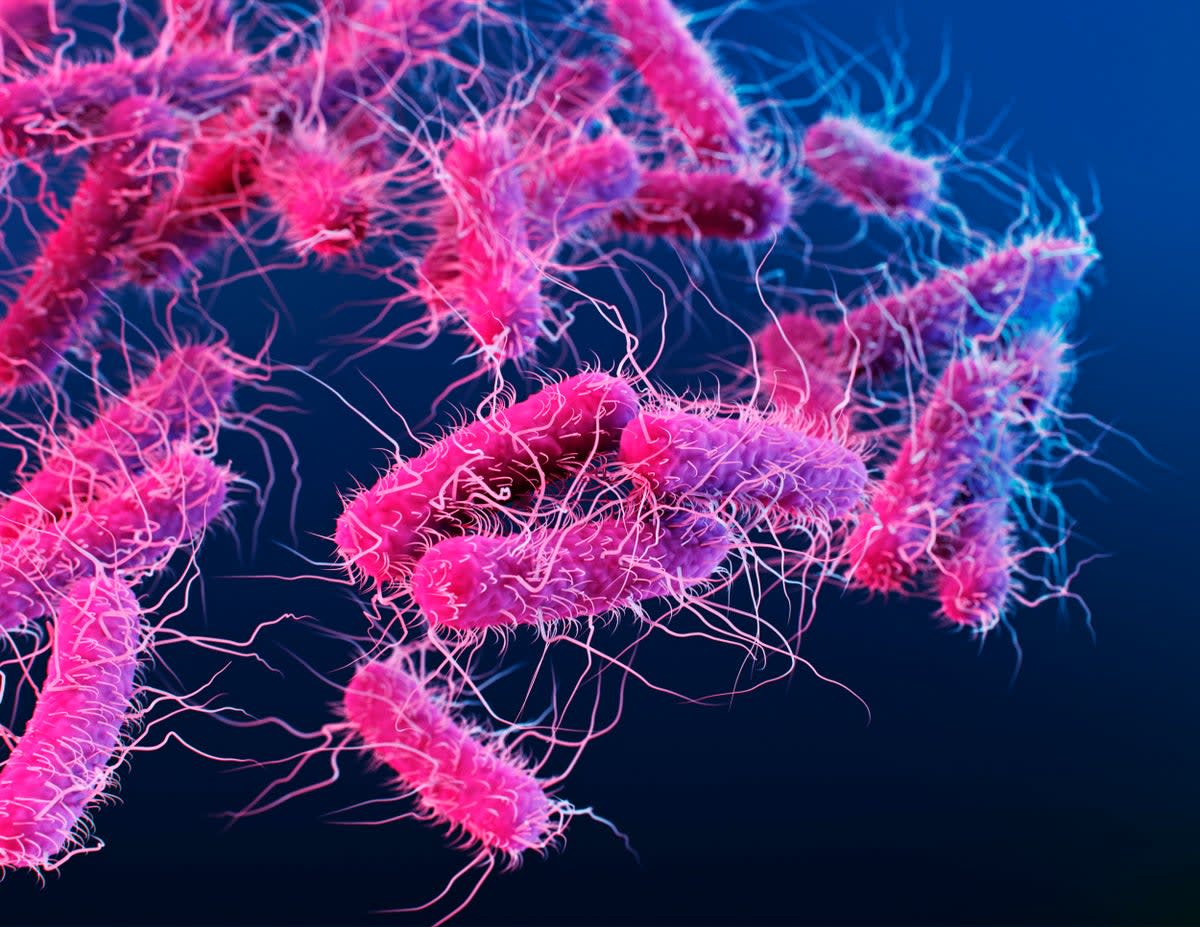
The study, published Tuesday in Nature Aging, reveals a direct communication highway between a specific group of gut microbes called the estrobolome and the ovaries in mice. As mice age, this pathway breaks down. The younger mice receiving older transplants appeared to compensate by boosting signals between their gut and ovaries, strengthening their reproductive health.
Fecal transplants work by replacing harmful bacteria in a diseased gut with healthy bacteria from a donor. In humans, doctors already use the procedure to treat certain bacterial infections. Research into other applications, from digestive issues to neurological conditions, is still in early stages.
Why This Inspires
This discovery flips our understanding of aging and reproduction on its head. Rather than fertility being fixed or inevitably declining, the study suggests ovarian function is "plastic" and can be influenced through the microbiome.
While mice and humans differ, the research opens exciting possibilities. If scientists can identify specific human gut bacteria that communicate with ovaries, designing targeted probiotics to support fertility could become reality. Benayoun says it would be relatively simple to create ovarian-supporting supplements once researchers identify the right bacterial strains.
The broader message brings hope beyond fertility. If gut health can influence something as complex as reproduction, it reinforces how interconnected our body systems are and how many pathways exist for improving health outcomes.
Researchers are now working to identify whether humans have similar gut microbes that communicate with reproductive organs. The answer could reshape how we approach ovarian health and fertility challenges affecting millions of women worldwide.
More Images



Based on reporting by Scientific American
This story was written by BrightWire based on verified news reports.
Spread the positivity!
Share this good news with someone who needs it