Gene-Editing Startup Raises $230M for Rare Disease Cure
A new biotech company just launched with $230 million to develop a one-time cure for a genetic disease affecting thousands. Serapha Bio aims to fix the root cause of Alpha-1 Antitrypsin Deficiency using cutting-edge gene editing.
Thousands of people born with a rare genetic disorder that damages their liver and lungs may soon have hope for a permanent cure.
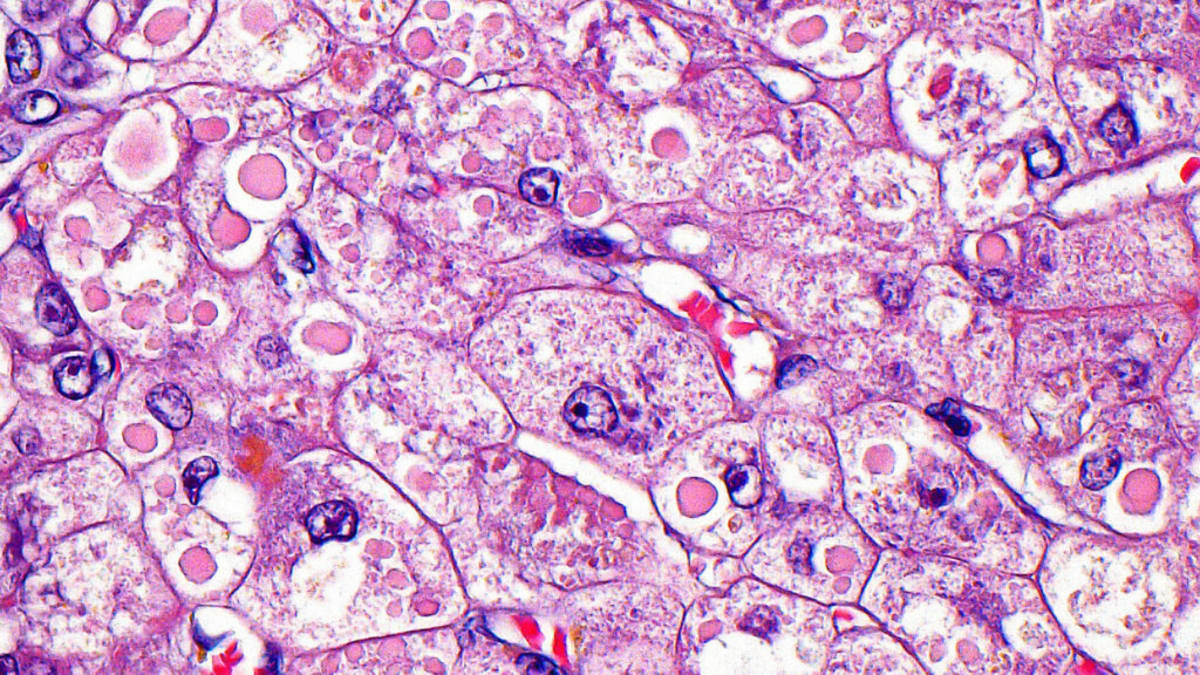
Serapha Bio launched Tuesday with $230 million in funding to develop a one-time gene-editing treatment for Alpha-1 Antitrypsin Deficiency, a genetic condition that affects roughly 100,000 Americans. The disease causes a protein deficiency that can lead to liver damage in children and breathing problems similar to emphysema in adults.
The company plans to use gene editing technology to fix the faulty gene at its source, potentially offering a permanent solution instead of lifelong symptom management. Current treatments only address symptoms and don't fix the underlying genetic problem.
Two major venture capital firms, RA Capital and RTW Investments, led the massive funding round. They arranged $138 million in initial funding, plus an additional $92 million through a merger with an existing biotech company called Boundless Bio.
The startup also secured a licensing deal with a Chinese pharmaceutical company, bringing international partnerships into the mix from day one. This global approach could speed up research and eventually help patients worldwide access the treatment.
The Ripple Effect
Gene editing treatments represent a new frontier in medicine where diseases get cured rather than just managed. While this technology is still emerging, successful treatments could pave the way for similar cures for thousands of other genetic conditions.
The $230 million investment signals strong confidence from the biotech industry that gene editing can deliver real results. Major funding like this helps attract top scientists and speeds up the timeline from lab research to actual patient treatments.
For families living with Alpha-1 Antitrypsin Deficiency, this launch means serious resources are now dedicated to finding a cure. Parents who've watched their children struggle with liver problems, or adults facing declining lung function, finally have a research team focused specifically on their disease.
The broader medical community is watching closely because success here could prove the model works for other rare genetic diseases. Thousands of genetic conditions currently have no cure, and gene editing offers hope that permanent fixes are possible.
What makes this particularly exciting is the one-and-done approach. Unlike medications that patients take daily for life, a successful gene edit could mean a single treatment that permanently corrects the problem.
With funding secured and partnerships in place, Serapha Bio can now move forward with developing and testing their treatment, bringing hope to a community that's been waiting for a breakthrough.
More Images



Based on reporting by STAT News
This story was written by BrightWire based on verified news reports.
Spread the positivity!
Share this good news with someone who needs it