Gene Therapy Gives 500 Blind Patients Their Sight Back
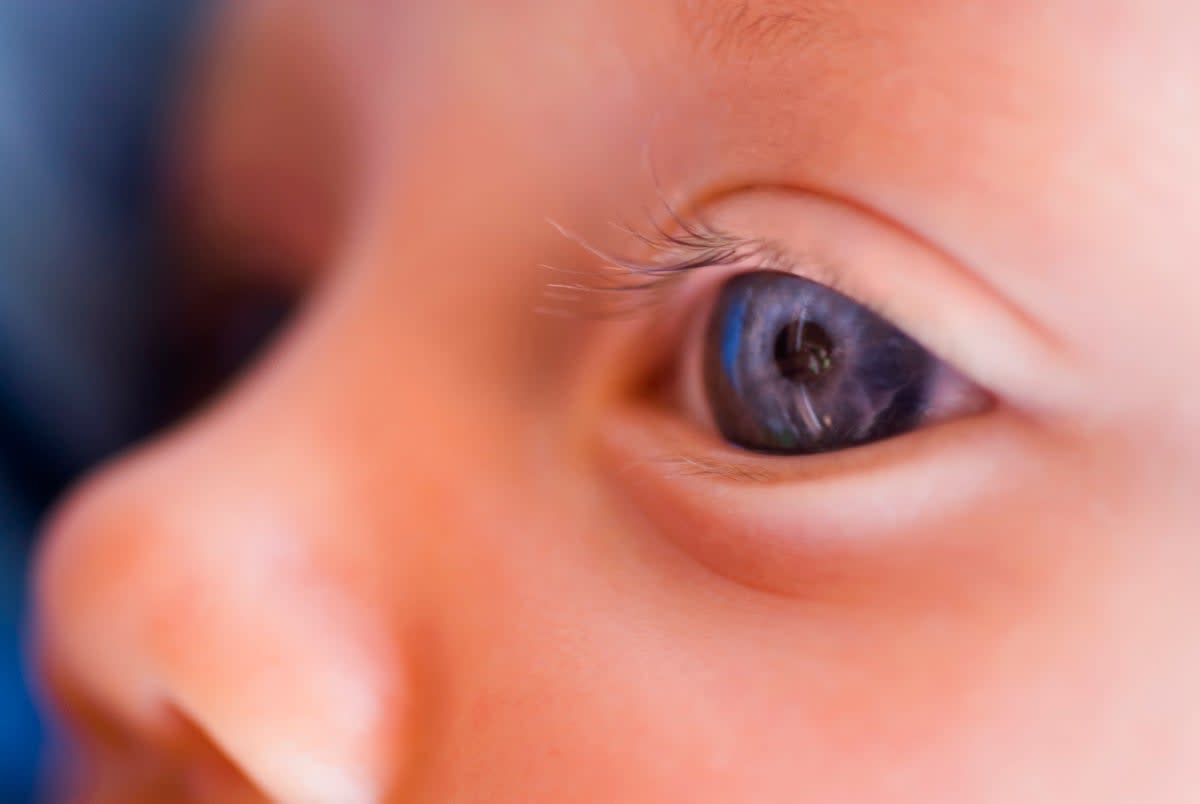
A revolutionary gene therapy called Luxturna has restored vision to hundreds of people born legally blind from a rare inherited disease. One young patient saw snowfall for the first time after receiving the treatment that proved inherited diseases can be reversed.
A 10-year-old boy stood transfixed at a Philadelphia window in 2018, watching snowflakes fall for the very first time in his life. Born legally blind from a rare eye disease, he had just received a groundbreaking gene therapy that would change everything.
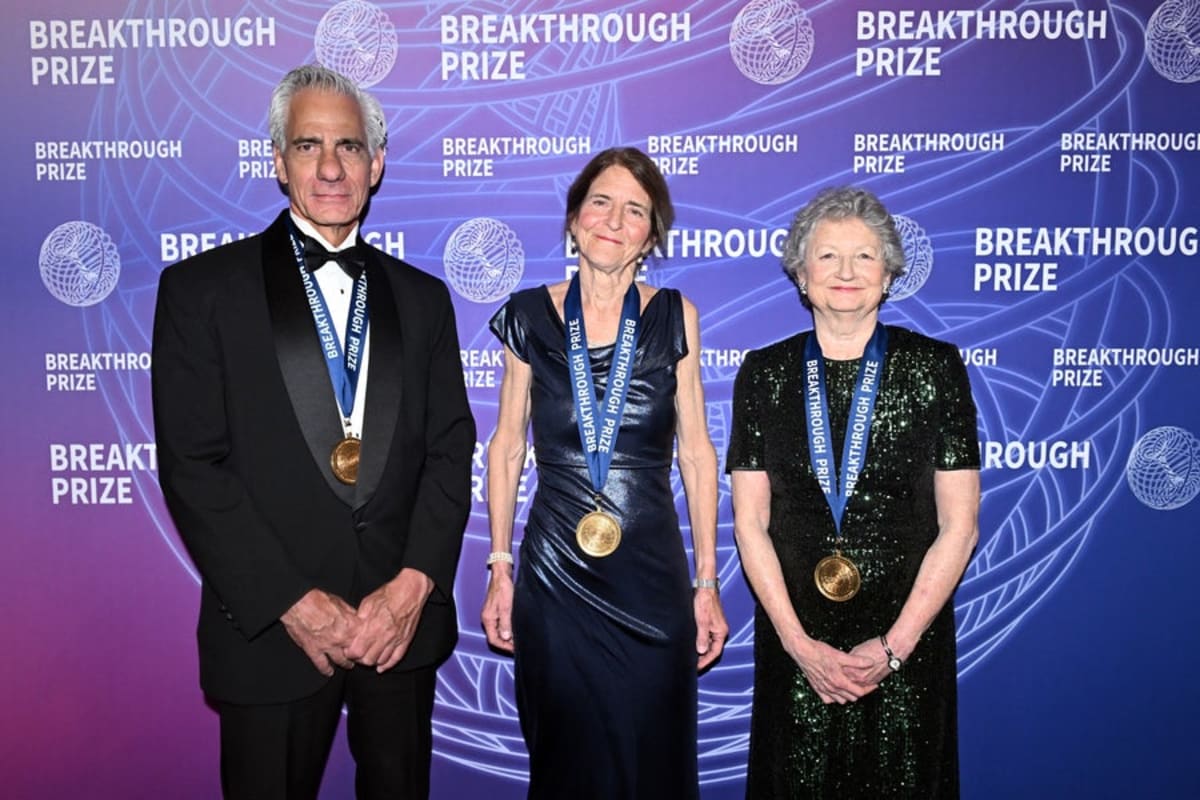
The child was one of the first patients treated with Luxturna, a therapy developed by molecular biologist Jean Bennett, ophthalmic surgeon Albert Maguire, and physician Katherine High. The trio recently won the 2026 Breakthrough Prize for creating this treatment that reverses blindness caused by Leber's congenital amaurosis, or LCA.
LCA affects thousands of people worldwide and causes 20 percent of childhood blindness. Children born with the disease have very poor vision from birth that progressively worsens until they're completely blind, usually by age 20. The culprit is a faulty gene that prevents retinal cells from properly using vitamin A, which is essential for converting light into electrical signals we perceive as vision.
The researchers spent years moving their therapy from laboratory experiments to trials in dogs and finally to human patients. Their approach targets the broken RPE65 gene by injecting working genetic instructions directly under the retina in a one-time treatment.
The results transformed lives. Patients who could barely detect light suddenly gained visual sensitivity more than 40,000 times greater than before treatment. Young patients saw their visual fields restored to normal ranges.
The FDA approved Luxturna in 2017, making it one of the first gene therapies for inherited disease. Since then, at least 500 people in the United States have received the treatment, which costs about $425,000 per eye.
High remembers that snowy day vividly. Getting the young boy away from the windows to give his scheduled talk proved nearly impossible. He couldn't stop marveling at the falling flakes dancing past the glass.
Why This Inspires
This breakthrough proves that diseases once considered permanent and untreatable can be reversed at the genetic level. The success of Luxturna has opened doors for treating other inherited conditions, showing that what seems impossible today might be routine tomorrow.
For Bennett, Maguire, and High, the real prize isn't the award but moments like watching a child see snow for the first time. Their decades of work gave hundreds of people the chance to see faces clearly, navigate in dim light, and experience visual wonders most of us take for granted.
The therapy represents more than restored vision for 500 patients—it's proof that we can rewrite the genetic mistakes that cause inherited diseases.
More Images



Based on reporting by Scientific American
This story was written by BrightWire based on verified news reports.
Spread the positivity!
Share this good news with someone who needs it