World's First Pancreatic Cancer Gene Therapy in Netherlands
A patient in the Netherlands just received a groundbreaking genetic treatment that reprograms their own immune cells to hunt down pancreatic cancer. This first-of-its-kind therapy could transform outcomes for one of the deadliest cancers.
A hospital in Nijmegen has just made medical history by giving a patient the world's first genetic treatment designed specifically for pancreatic cancer.
The treatment works like a targeted missile system for the immune system. Doctors at Radboudumc university hospital extract white blood cells from the patient, reprogram them in a lab to recognize and attack cancer tumors, then inject them back into the body to do their work.
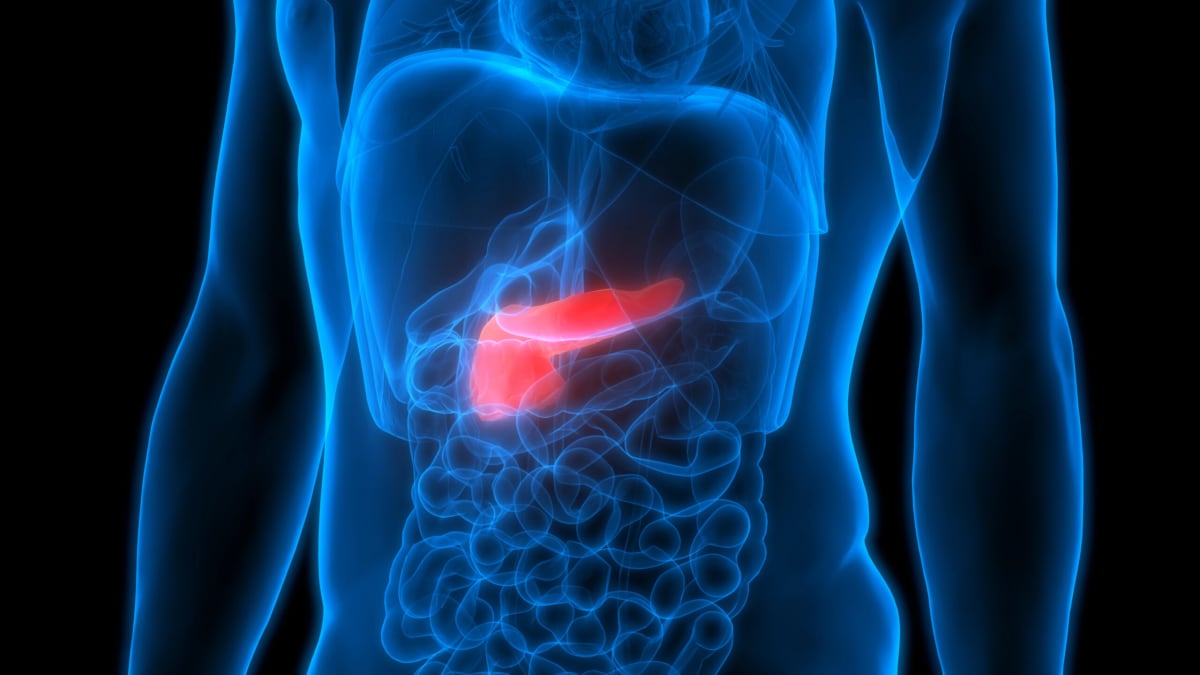
This matters because pancreatic cancer remains one of medicine's toughest challenges. Only 13% of patients survive five years after diagnosis, making it the deadliest major cancer. Treatment options have been painfully limited until now.
The reprogrammed cells get an upgraded receptor that spots specific variations in tumor cells. Once they identify their target, they attack the cancer directly. It's precision warfare at the cellular level.
Dr. Carla van Herpen, a medical oncologist specializing in rare cancers at Radboudumc, calls it a very innovative approach. The team is combining the new therapy with traditional chemotherapy to give patients the best possible chance.
The first patients are being closely monitored for side effects like fever. Results for the pioneering patient will come in the next few months, offering the first glimpse of whether this approach can deliver on its promise.
The Ripple Effect
The ultimate goal goes beyond just fighting the cancer. Doctors hope this treatment will shrink tumors enough that surgeons can remove them completely, dramatically improving survival odds for patients who previously had few options.
This genetic approach has already shown success against blood cancers. Now researchers are adapting the technique for solid tumors like pancreatic cancer, opening new frontiers in cancer treatment.
The therapy isn't suitable for every pancreatic cancer type yet, and scientists are careful not to call it a breakthrough just yet. But Dr. Van Herpen emphasizes that studies like this give patients real opportunities and drive medical progress forward.
Early detection still offers the best survival rates, but for patients diagnosed later, treatments like this represent genuine hope where little existed before. Each study builds knowledge that helps researchers develop even better therapies.
The Nijmegen team is now watching their first patient closely, gathering data that will shape the future of pancreatic cancer treatment for patients worldwide.
Based on reporting by Dutch News
This story was written by BrightWire based on verified news reports.
Spread the positivity!
Share this good news with someone who needs it