Gene Therapy Shows Promise for Duchenne Muscular Dystrophy
A new gene therapy for Duchenne muscular dystrophy met its main goal in trials, bringing hope to families facing this devastating disease. The treatment successfully helped 28 of 30 patients produce a crucial muscle protein that could slow disease progression.
Families dealing with Duchenne muscular dystrophy just got a reason to hope as an experimental gene therapy crosses a critical milestone.
Regenxbio announced that its treatment, RGX-202, successfully met its primary goal in clinical trials. The therapy helped 28 out of 30 young patients produce at least 10% of normal levels of microdystrophin, a tiny protein that acts like a shock absorber for muscles.
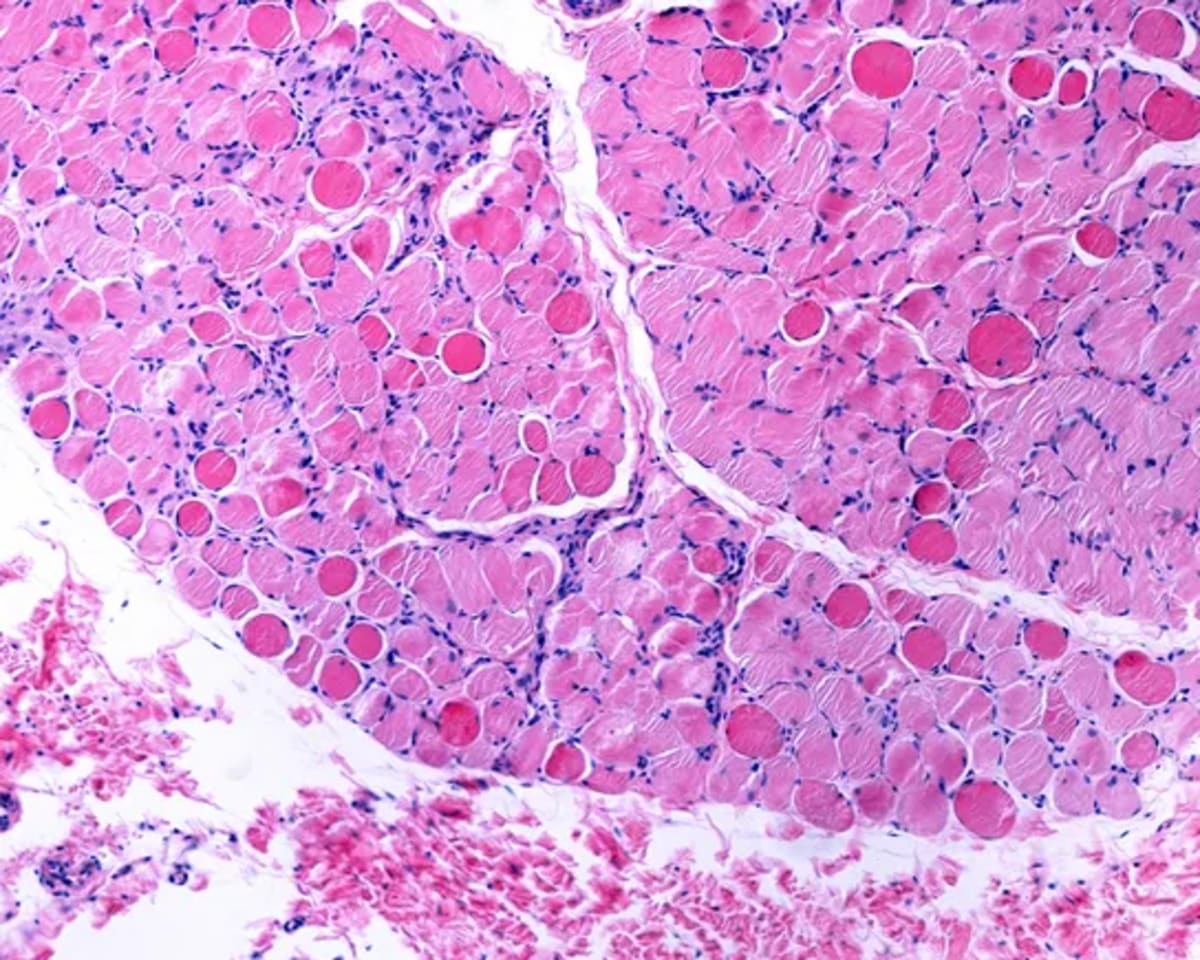
Duchenne muscular dystrophy is a progressive and currently incurable condition that primarily affects boys. Without the full dystrophin protein, their muscles gradually weaken, often leading to loss of mobility and life-threatening complications.
The new therapy works by delivering genetic instructions through a harmless virus, teaching the body to make a smaller version of the missing protein. After one year, nine participants showed measurable improvements in motor function tests, suggesting the protein is actually making a difference in their daily lives.
RGX-202 takes a different approach than the only other gene therapy currently available for Duchenne. It uses a different delivery virus, produces a larger version of the replacement protein, and pairs with a tailored regimen of immune-suppressing drugs.
The results showed protein levels averaging 71% of normal across all participants, and 42% in older boys who were already experiencing decline. These numbers represent a significant achievement in connecting protein production with real improvements in how patients move and function.
The Bright Side
While two patients experienced serious but manageable side effects (heart inflammation and liver injury that both resolved within weeks), the overall safety profile gives researchers confidence. The average liver inflammation markers across all treated patients stayed within normal ranges.
The company plans to seek FDA approval in 2027 through an accelerated pathway designed for serious conditions with limited treatment options. This faster track could bring hope to families months or even years sooner than traditional approval processes.
CEO Curran Simpson expressed optimism that new FDA leadership will prioritize flexibility for rare diseases, potentially opening doors for more innovative treatments. The regulatory environment is shifting toward recognizing that families facing devastating diagnoses need options, even when trials can't be as large or lengthy as those for more common conditions.
For the thousands of families watching their children struggle with Duchenne, this milestone represents more than just data points on a chart. It's proof that science is making real progress toward treatments that could preserve mobility, independence, and precious time with loved ones.
More Images

Based on reporting by Google: new treatment approved
This story was written by BrightWire based on verified news reports.
Spread the positivity!
Share this good news with someone who needs it