Scientists Reboot Old Muscle Cells to Restore Youth in Mice
Researchers successfully reversed muscle aging in old mice by removing stem cells, rejuvenating them, and putting them back. The breakthrough could one day help elderly people regain muscle strength and heal faster from injuries.
Scientists just discovered how to turn back the clock on aging muscles, and the results are extraordinary.
Researchers at Duke University took stem cells from the muscles of elderly mice, gave them a biological "reboot" outside the body, then transplanted them back in. The old mice didn't just recover their youthful muscle function. They actually grew bigger muscles and healed from injuries much faster than before.
"In theory, if you took an elderly person's muscle stem cells out, charged them up and put them back in, they would probably be more functional," says James White, who led the research at Duke University in North Carolina.
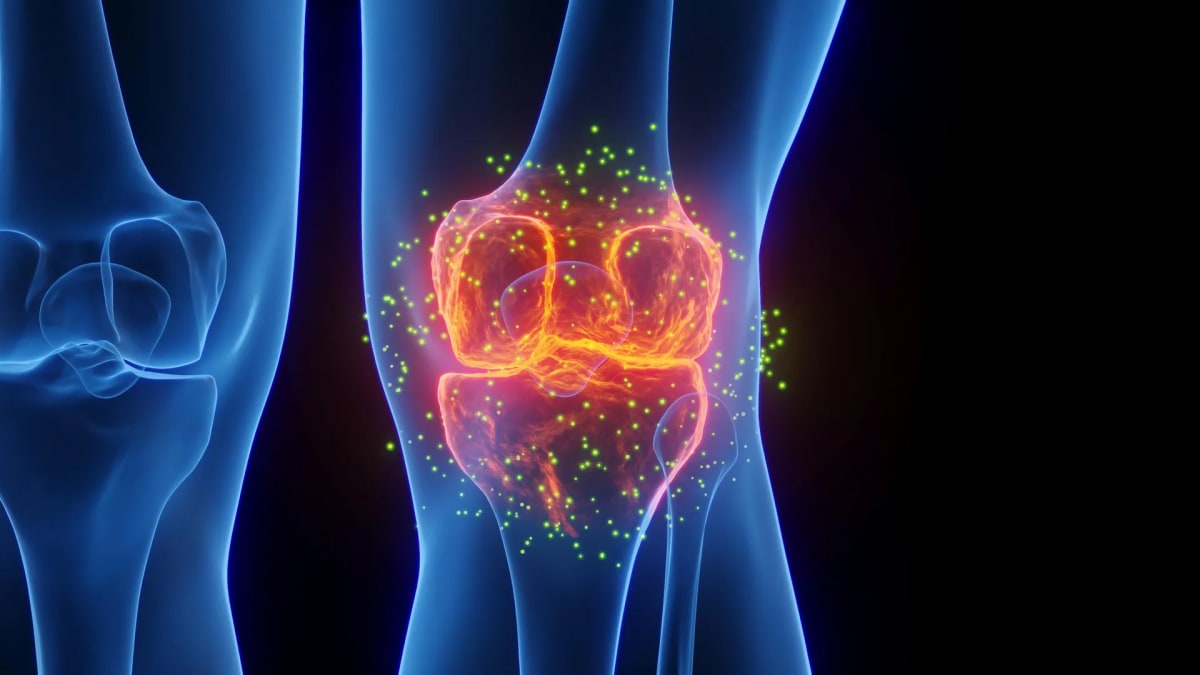
The discovery addresses one of aging's most frustrating realities. As we get older, our muscles naturally weaken and take longer to heal after injury. This happens partly because muscle stem cells, which normally repair and rebuild tissue, become less effective over time.
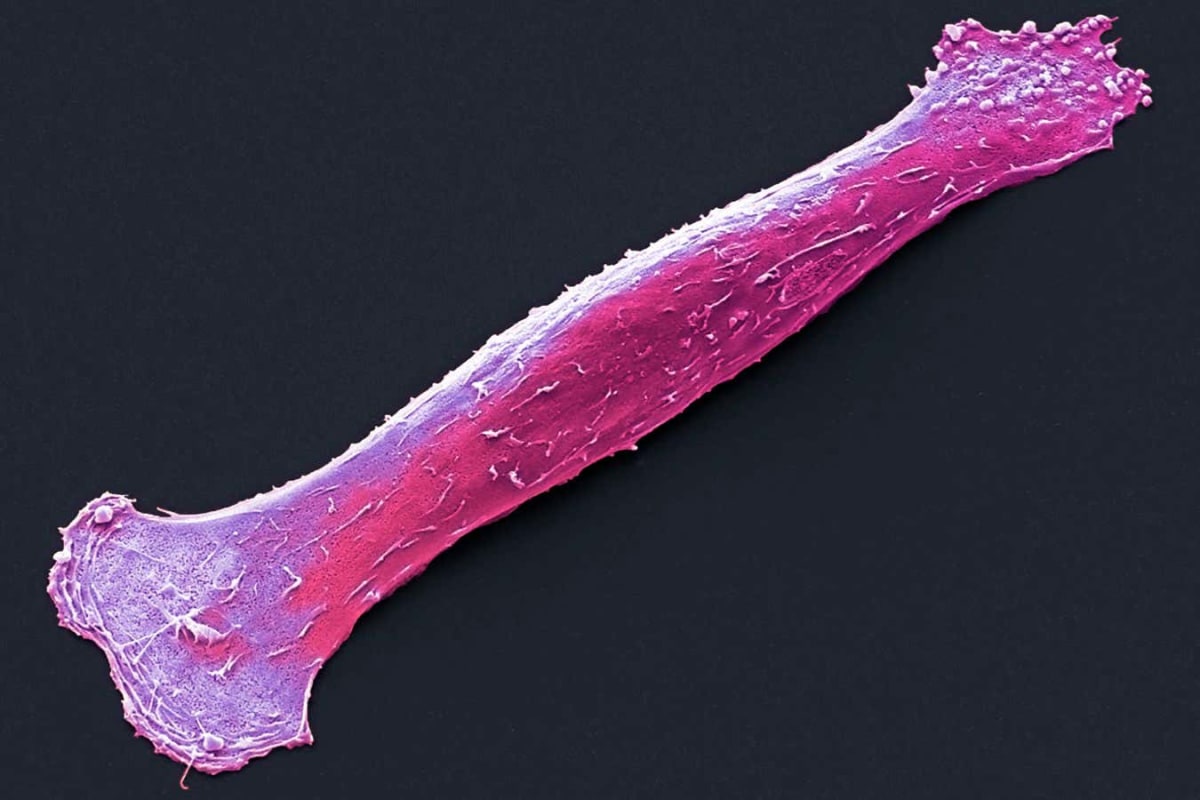
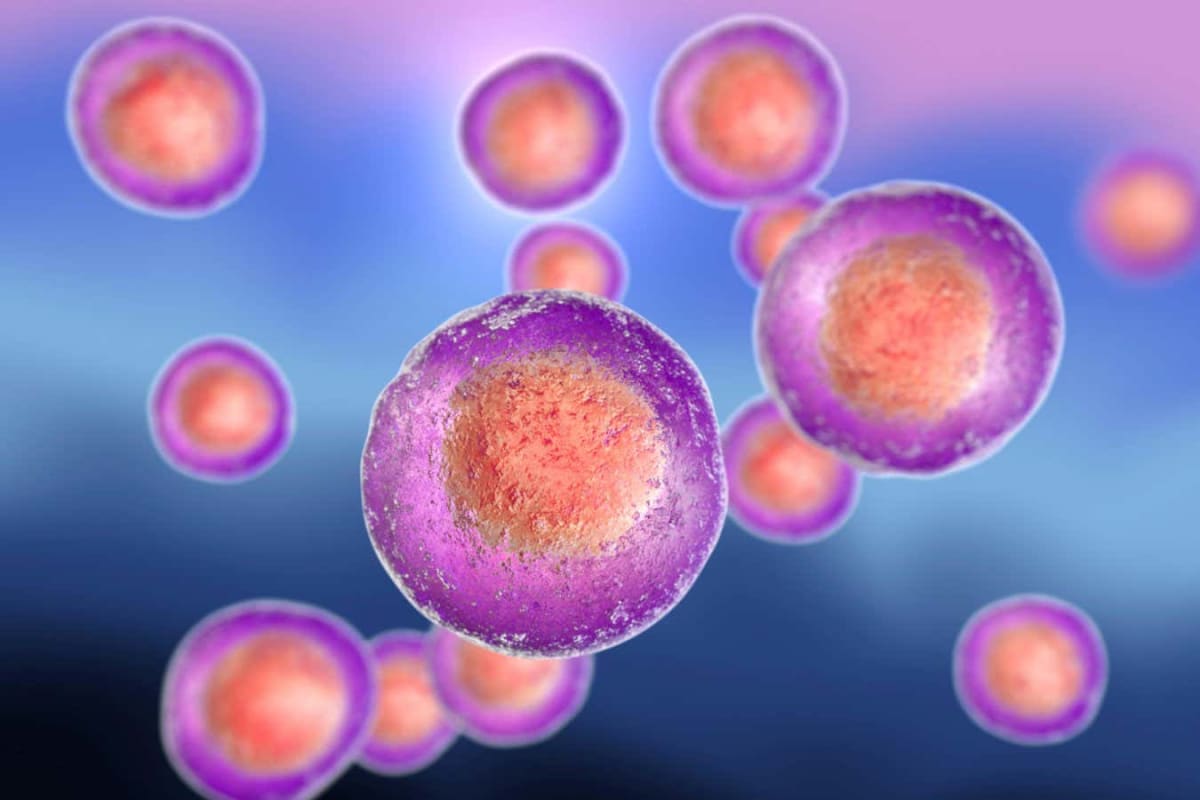
These stem cells don't actually die as we age. They just get worn down and sluggish, like old batteries that won't hold a charge anymore. The Duke team proved these cells can be recharged.
The process works by temporarily removing the aged stem cells from their tired environment inside old muscle tissue. Outside the body, the cells get a fresh start. When returned to the muscle, they behave like young cells again, actively building and repairing tissue.
The Ripple Effect
This breakthrough could transform how we approach aging and recovery. Muscle weakness affects nearly every aspect of life for older adults, from walking up stairs to recovering from surgery. Falls and slow healing often lead to loss of independence.
If the technique works in humans, it wouldn't just help elderly people stay stronger. Athletes recovering from injuries, people with muscular diseases, and anyone facing muscle loss from illness could potentially benefit. The approach uses a person's own cells, which means lower risk of rejection compared to donor transplants.
The research also offers hope beyond just muscles. Scientists are exploring whether similar rebooting techniques could rejuvenate other types of aging stem cells throughout the body.
Clinical trials in humans are still years away, but the mouse results show remarkable promise. The path from lab mice to human treatments is long, yet this research proves that aging isn't always a one-way street.
Tomorrow's elderly might keep their strength longer than we ever thought possible.
More Images


Based on reporting by New Scientist
This story was written by BrightWire based on verified news reports.
Spread the positivity!
Share this good news with someone who needs it