Gene Therapy Transforms Painful Skin Disease Treatment
Children born with epidermolysis bullosa, a painful genetic disorder causing skin to blister at the slightest touch, now have real treatment options for the first time. Three new FDA-approved therapies are healing wounds that doctors could only bandage before.
For families of children with epidermolysis bullosa, every diaper change, every hug, and every movement could tear their child's fragile skin. But after decades of only being able to manage pain and prevent infection, doctors can now actually heal these wounds at their source.
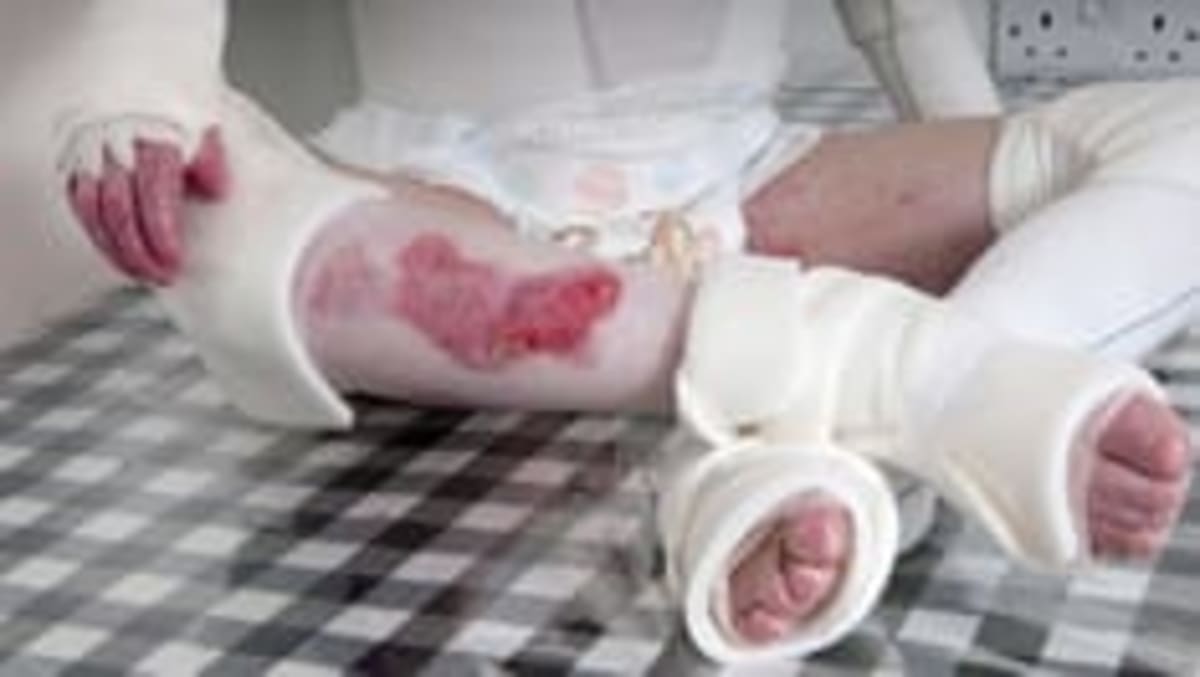
The rare genetic disease affects roughly 20,000 Americans, causing skin so delicate that patients are sometimes called "butterfly children." Until 2022, pediatric dermatologists could only watch, treat infections, and help manage the constant pain.
That changed dramatically in the past three years. The FDA has approved three groundbreaking treatments that either correct the genetic defect causing the disease or dramatically speed healing. Dr. Emily Gorrell from the University of Colorado told fellow dermatologists that her entire approach to treating the condition has transformed.
Two of the new therapies use gene therapy to deliver healthy genes directly into wounds. One treatment, approved in 2023 and expanded this year, can now be applied at home by parents to their newborns. Doctors apply it in a grid pattern to open wounds, where it delivers the missing genetic instructions cells need to heal properly.
Another therapy takes skin cells from patients, corrects their genes in a lab, grows them into sheets about the size of credit cards, and surgically grafts them onto wounds. While the $3.1 million treatment requires surgery and a week of hospital bed rest, it offers hope for patients with the most severe forms of the disease.
The third option, a gel made from birch bark extract, can be applied to all wounds during dressing changes. It costs about $1,700 per tube and works so well that doctors are already using it for milder forms of the disease, even though it's not officially approved for those cases yet.
Getting insurance coverage used to be nearly impossible for these families. Now, patients can receive free genetic testing to confirm their diagnosis, which opens the door to accessing these new treatments through insurance.
The Ripple Effect
The impact reaches beyond just closing wounds. Parents who spent hours each day carefully changing bandages while their children screamed in pain now see those wounds actually heal. Children who avoided touch can finally hug their families without fear.
Dr. Lawrence Eichenfield, a pediatric dermatology expert who wasn't involved in the research, called the progress "incredibly exciting" for a condition that remains one of the most challenging in his field. The treatments are improving not just wound healing but also decreasing pain and transforming daily life for entire families.
Doctors are already finding new ways to use these therapies, including after surgeries and for hard-to-bandage areas like ears and scalp. After years of only being able to comfort these families, physicians finally have tools that address the root cause of their suffering.
What was once a condition families simply endured has become one that doctors can actually treat.
More Images

Based on reporting by Google News - New Treatment
This story was written by BrightWire based on verified news reports.
Spread the positivity!
Share this good news with someone who needs it