Scientists Decode How Bacteria Build Cancer Drugs
Researchers have cracked the code for how bacteria naturally produce powerful cancer drugs, potentially speeding development of new treatments. The breakthrough could help create better versions of existing cancer medicines with fewer side effects.
After decades of mystery, scientists have finally figured out how bacteria manufacture multiple versions of cancer-fighting drugs all on their own.
Researchers at the University of Warwick discovered that tiny molecular connectors called "docking domains" allow bacterial enzymes to communicate and work together like a precise assembly line. This natural system produces a family of compounds that includes Romidepsin, an FDA-approved treatment for certain blood cancers.
The team published their findings in Nature Communications after combining structural biology, biochemistry, genetics, and computer modeling to solve the puzzle. They identified the complete production pathway bacteria use to create a compound called FR-901375, which scientists have known about for decades but never understood how to replicate.
"For decades, we've known that bacteria can naturally produce multiple versions of powerful anti-cancer drugs, yet we had no idea how they achieved this," said Dr. Munro Passmore, the study's first author. "This work finally cracks that code."
The discovery centers on drugs called HDAC inhibitors, which block enzymes that control which genes turn on or off inside cells. These drugs belong to a complex family of molecules called depsipeptides, assembled by massive protein complexes inside bacteria.
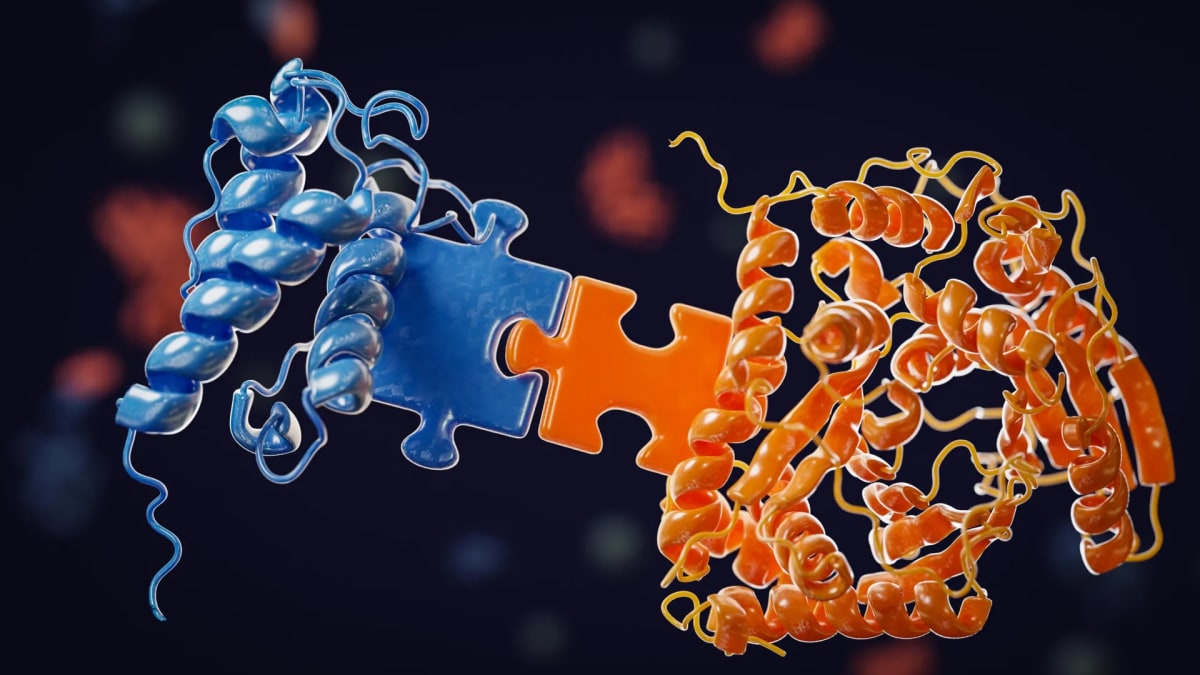
The key breakthrough was understanding that docking domains act like puzzle pieces, allowing different parts of the bacterial drug factory to recognize each other and pass products down the line. This flexible design explains how bacteria create variety while maintaining the precision needed for effective medicines.
The Ripple Effect
The research gives scientists a blueprint to engineer cancer drugs faster and more efficiently than nature does. By understanding evolution's logic, researchers can now design synthetic pathways that generate new drug candidates optimized for clinical use.
Professor Greg Challis, who led the study, explained that the team can now create medicines with superior potency, improved selectivity, and fewer side effects. Their immediate goal is building an expanded library of drug candidates for cancers where new treatments are urgently needed.
The breakthrough moves cancer drug development from simply understanding natural systems to actively building improved versions. Scientists can now do what took bacteria millions of years to evolve, but accomplish it in laboratories within months.
For patients facing hard-to-treat cancers, this discovery opens doors that were previously locked. The research team is already working on generating new drug candidates that could one day help save lives.
Based on reporting by Health Daily
This story was written by BrightWire based on verified news reports.
Spread the positivity!
Share this good news with someone who needs it