Bacteria Survives Mars Impact Forces in Lab Test
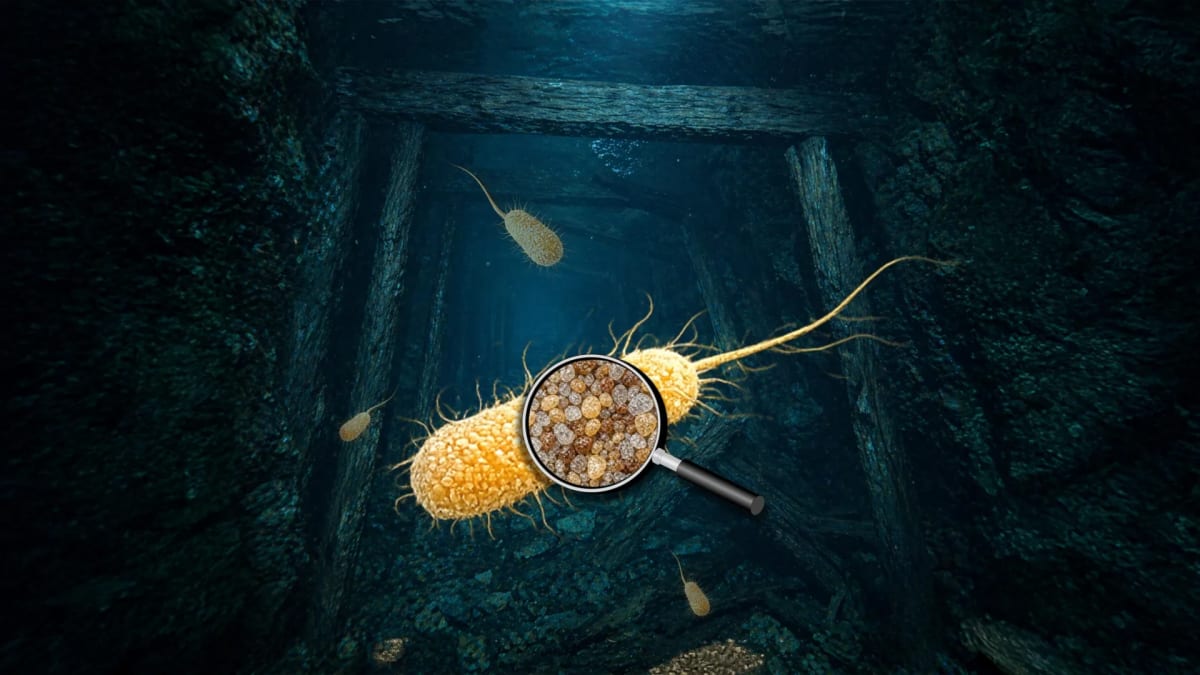
Scientists blasted a super-tough microbe with pressures 30,000 times stronger than Earth's atmosphere, and 60% survived. The discovery suggests life could hitchhike between planets on asteroid debris.
Find uplifting stories about heroes, innovations, and solutions
81 results for "bacteria"

Scientists blasted a super-tough microbe with pressures 30,000 times stronger than Earth's atmosphere, and 60% survived. The discovery suggests life could hitchhike between planets on asteroid debris.

Scientists in Germany have created a toothpaste that stops harmful bacteria causing gum disease without killing the beneficial microbes that keep your mouth healthy. This breakthrough could transform dental care and protect against serious health conditions linked to periodontitis.

Viruses that attack bacteria have revealed a critical weakness that could lead to powerful new antibiotics. The discovery offers hope as drug-resistant infections claim tens of thousands of American lives each year.

Viruses that attack bacteria have revealed a promising new way to defeat drug-resistant superbugs. By studying how these viruses shut down a key bacterial protein, scientists may have found the blueprint for a new generation of lifesaving antibiotics.

Scientists turned E. coli bacteria and leftover naan bread into tiny chemical factories that produce medicines and plastics without fossil fuels. The process could actually remove more carbon than it releases.

Scientists are adapting self-cleaning period pad technology to purify household water in rural Nepal, where up to 70% of sources contain harmful bacteria. The solar-powered solution needs no electricity or chemicals, just sunlight.

Scientists at Stanford developed a nasal spray vaccine that primes your lungs to fight nearly any respiratory threat, from viruses to bacteria to allergens. Human trials could begin soon, potentially transforming how we protect ourselves during flu season and future pandemics.

Researchers at the University of Waterloo have engineered bacteria that naturally thrive without oxygen to invade and consume cancer tumors from their oxygen-starved cores. The breakthrough includes a safety switch that only activates the bacteria's survival mechanism when enough have gathered inside the tumor, preventing them from spreading to healthy tissue.

Canadian researchers have created bacteria that eat cancer from the inside out, using genetic engineering to solve a problem that stumped scientists for decades. The breakthrough could offer a highly targeted way to destroy solid tumors without harming healthy tissue.

Scientists at Stanford Medicine have developed a revolutionary nasal spray vaccine that protects against multiple respiratory threats at once. In mice, the single spray defended against COVID-19, flu, bacterial pneumonia, and even allergies for months.

Scientists in Singapore proved a clever mosquito control method slashes dengue fever cases by 71% and mosquito populations by 77%. It's the first gold-standard study showing infected mosquitoes can protect entire cities from disease.

Scientists at Stanford Medicine have developed a breakthrough nasal spray vaccine that protects against multiple respiratory threats at once, from COVID-19 and flu to bacterial infections and even allergies. In mice, the experimental vaccine provided months of broad protection by supercharging the lungs' natural defenses instead of targeting specific pathogens.

Scientists in China are using ancient bacteria to transform barren desert sand into stable, fertile ground in less than a year. The breakthrough could help restore degraded land and protect communities from devastating sandstorms.

A physicist-turned-biomedical engineer has developed a groundbreaking treatment using light to disable bacteria's defenses, making deadly antibiotic-resistant infections treatable again. The therapy has already saved lives in Brazil and could protect millions from infections that currently kill 4 million people annually.

Stanford researchers created a nasal spray vaccine that protected mice from viruses, bacteria, and allergies for months. Human trials could begin soon for what scientists call a "universal vaccine" against respiratory threats.

Researchers at the University of Stuttgart are perfecting a process that transforms harmful carbon dioxide emissions into valuable materials using bacteria. The breakthrough could help industries like steel and cement turn their biggest environmental problem into profit.

Scientists developed a nasal spray vaccine that protected mice from COVID, flu, bacteria, and even allergens for months. Unlike typical vaccines, it activates the body's first-line defense system to fight multiple threats at once.

Researchers discovered how to target a protein found only in bacteria, opening the door to new antibiotics that could outsmart drug-resistant superbugs. The breakthrough focuses on disrupting how bacteria build DNA without harming human cells.

Scientists at Stanford created a nasal spray that protected mice from multiple viruses, bacteria, and even common allergens for months. The breakthrough vaccine works differently than traditional shots by activating the body's first line of defense.

Researchers studying stranded pygmy sperm whales off Florida's coast discovered three never-before-seen bacteria types, opening a window into the hidden health of one of the ocean's most mysterious creatures. The 20-year study reveals how much we still don't know about life beneath the waves.
Showing 20 of 81