Neanderthals May Have Used Birch Tar as Ancient Medicine
Scientists discovered that birch tar created by Neanderthals killed harmful bacteria, suggesting our ancient cousins may have treated wounds with this sticky substance. The finding adds to growing evidence that Neanderthals were far more sophisticated than once believed.
Neanderthals might have been smarter about healthcare than we ever imagined.
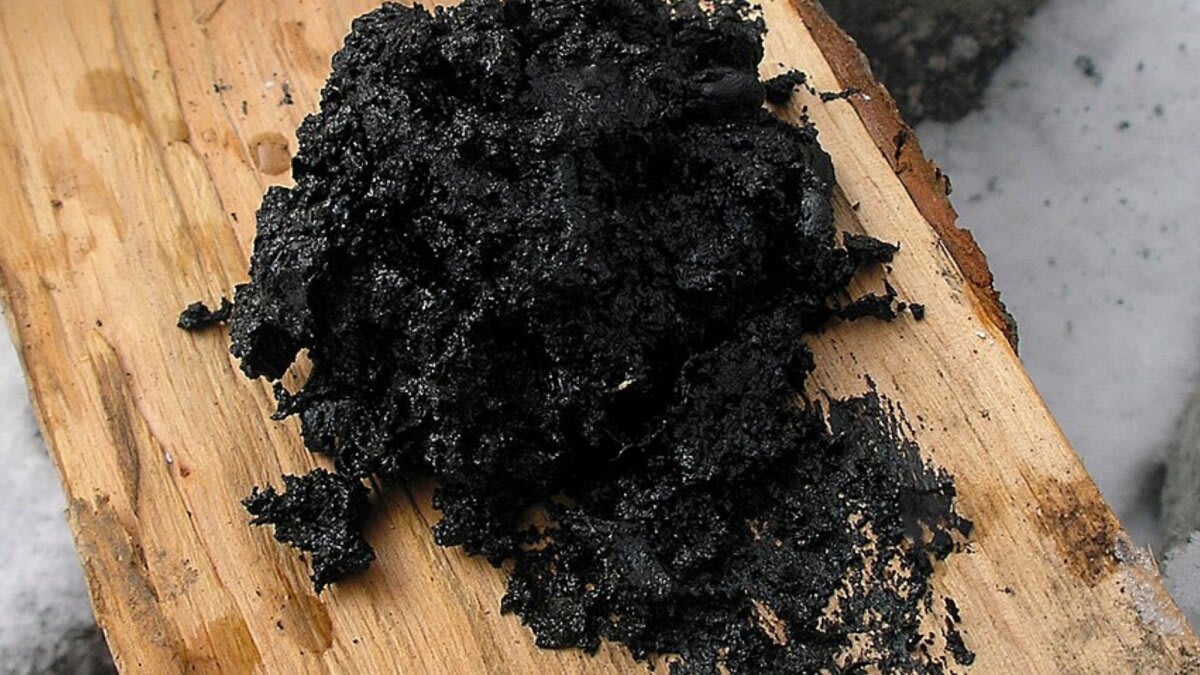
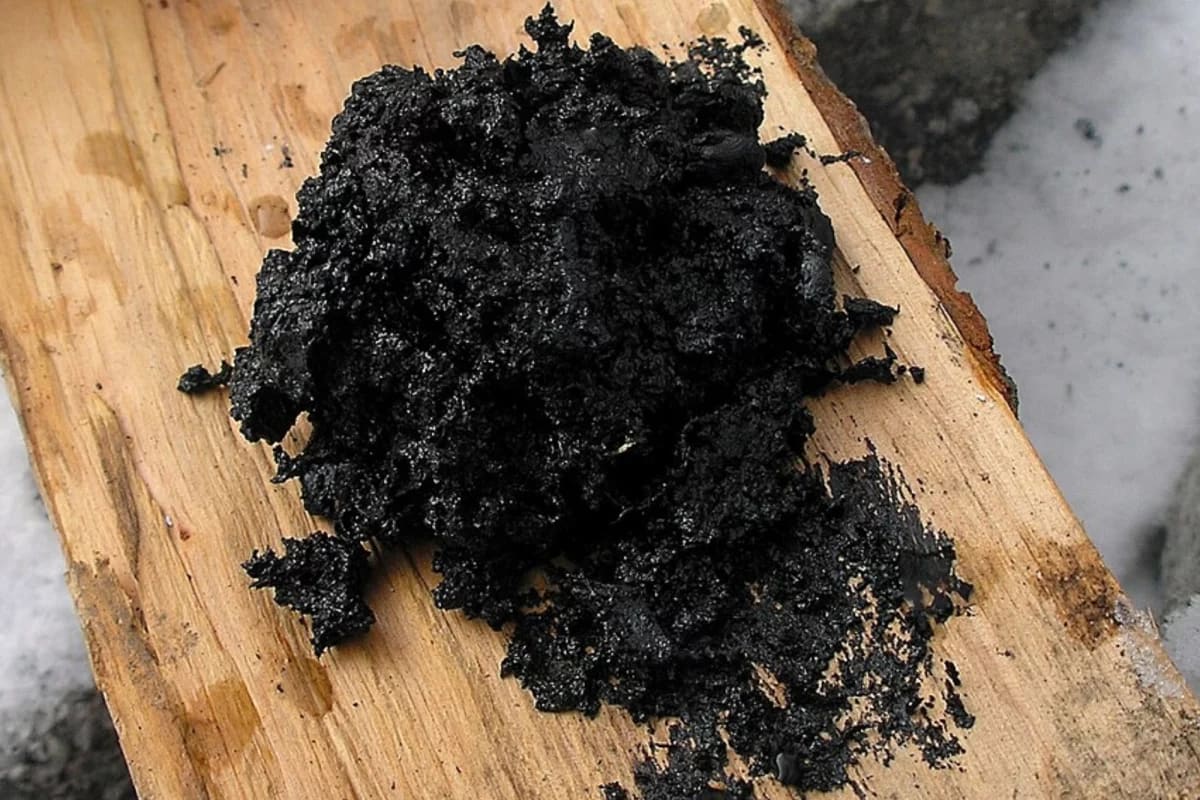
Researchers at the University of Cologne in Germany tested birch tar made using ancient methods and found it killed common infection-causing bacteria. The dark, sticky substance that Neanderthals already used as glue for their tools may have doubled as their medicine cabinet.
Lead archaeologist Tjaark Siemssen drew inspiration from modern indigenous communities like the Mi'kmaq tribe in Eastern Canada, who still use birch tar extract to treat infections today. His team wondered if Neanderthals 50,000 years ago might have discovered the same benefits.
The researchers recreated ancient tar-making methods using silver birch and downy birch trees that grew across Europe during the Late Pleistocene. They tested three different production techniques: distillation in tin, distillation in raised clay structures, and condensation.
The results surprised them. Tar made from silver birch in the raised clay structure worked powerfully against Staphylococcus aureus, the bacteria behind many skin infections. In a follow-up experiment, tar made without oxygen fought both gram-positive and gram-negative bacteria, working as a broad-spectrum antibiotic.
Not all scientists are convinced Neanderthals actually used the tar medicinally. Ella Been, an anthropologist at Ono Academic College in Israel, points out that just because birch tar has antimicrobial properties doesn't prove they applied it to wounds.
Why This Inspires
Andrew Sorensen, an archaeologist at Leiden University in the Netherlands, takes a more optimistic view. He believes Neanderthals almost certainly discovered tar's healing powers through their long relationship with the material.
"You don't have a relationship with such a material for this long without eventually figuring out all the ways it could be useful," Sorensen explained. Most archaeologists now believe Neanderthals were capable of this kind of practical innovation.
The discovery reshapes how we view our ancient relatives. Each new finding reveals Neanderthals as increasingly resourceful, adaptive, and intelligent beings who solved problems creatively with the materials around them.
This research reminds us that human ingenuity stretches back far deeper than we often recognize.
More Images


Based on reporting by New Atlas
This story was written by BrightWire based on verified news reports.
Spread the positivity!
Share this good news with someone who needs it