Plasma Jets Could Kill Germs on Moon and Mars Missions
Scientists successfully tested lightning-like plasma technology that kills bacteria on fabric without water, solving a critical hygiene challenge for future astronauts living on the moon and Mars. The breakthrough could make long-term space missions safer and more sustainable.
Astronauts heading to the moon and Mars face an unexpected challenge that has nothing to do with rockets or spacesuits: doing the laundry.
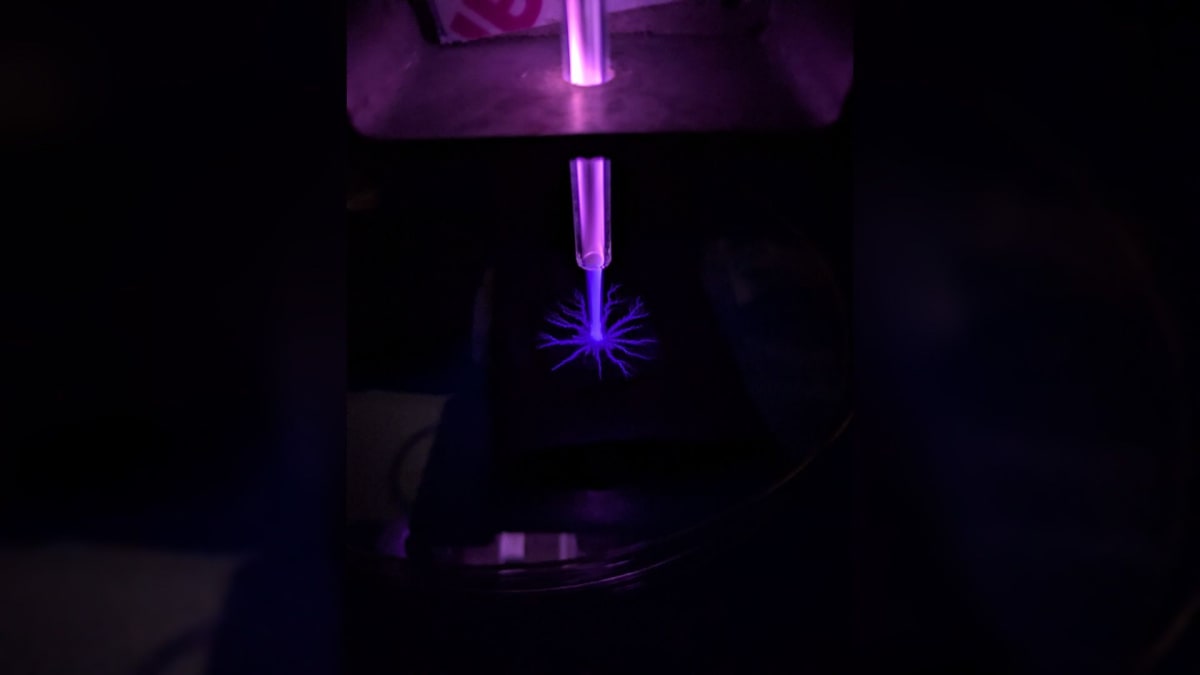
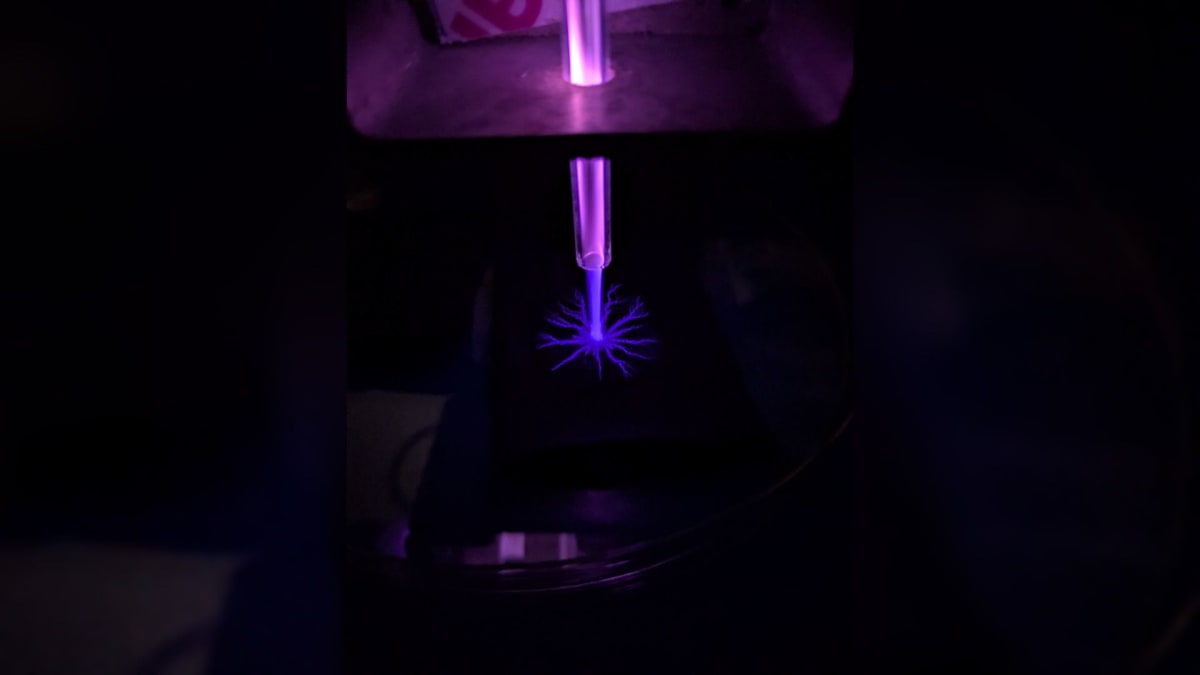
Scientists at the University of Alabama just solved this problem with a device the size of a cellphone that shoots bright purple jets of plasma to kill germs on fabric. The technology works like controlled lightning, zapping bacteria without using any water.
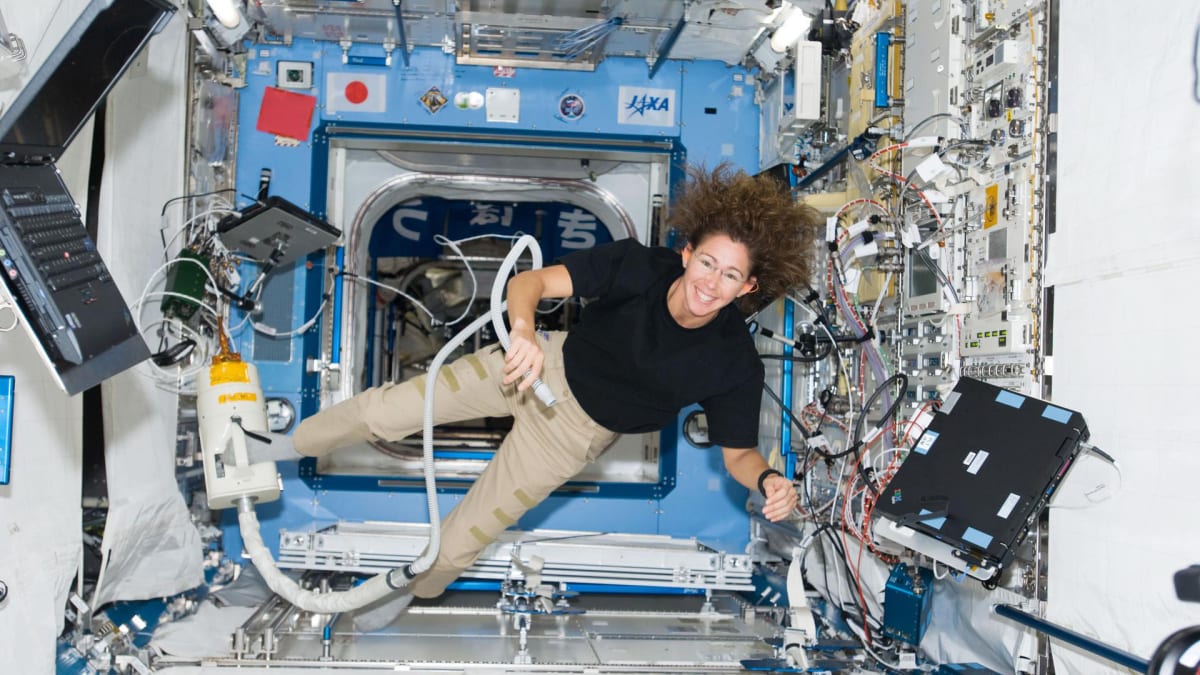
On the International Space Station today, astronauts wear clothes until they get too dirty, then throw them away to burn up in Earth's atmosphere. It's wasteful, but there's no practical way to wash clothes in space with limited water supplies.
For future missions to Mars lasting months or years, that approach won't work. Resupply missions from Earth will be rare or impossible, meaning astronauts need sustainable ways to keep their clothes, couches, and bedding clean.
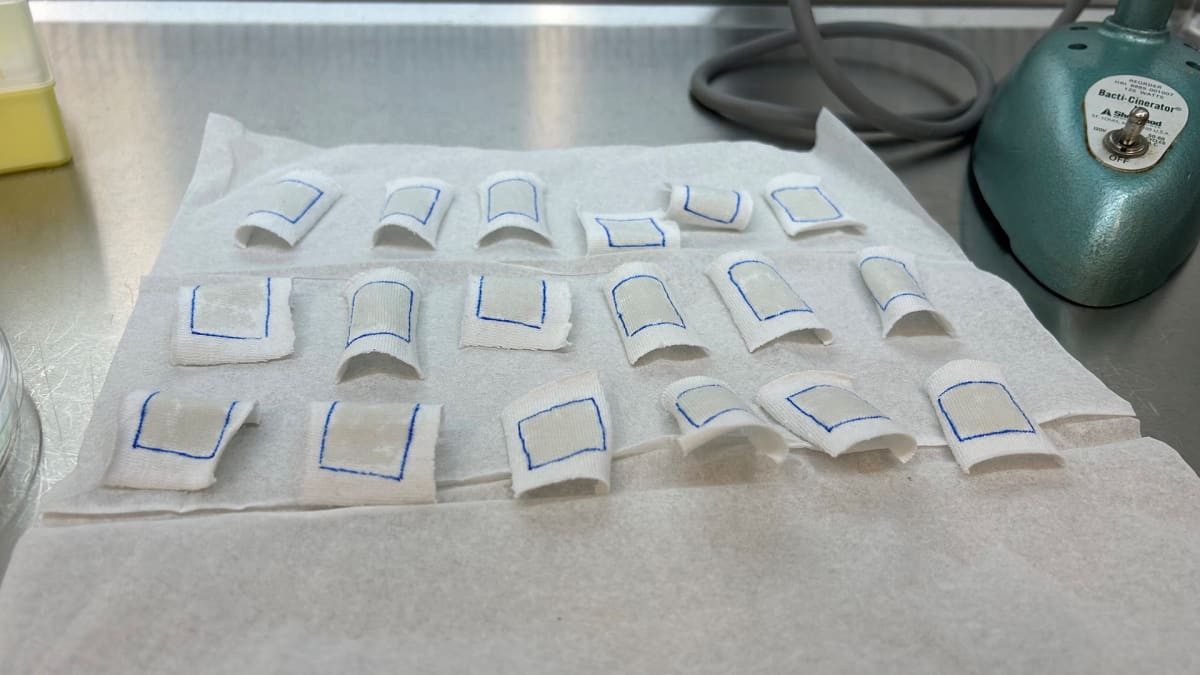
The research team cut up an ordinary cotton T-shirt and covered it with Staphylococcus caprae, a common skin bacteria also found on the space station. They then zapped the fabric samples with plasma for 30 seconds to five minutes.
The results beat every cleaning method currently used in space, including vacuuming and chemical wipes. The plasma created reactive oxygen and nitrogen that penetrated fabric fibers and destroyed bacterial cell membranes without damaging the material itself.
"It is not going to remove the coffee stains from anyone's T-shirt, but it will remove the stuff that will make you sick," lead researcher Gabe Xu told Live Science. The technique causes no more damage than normal wear and tear.
The timing matters because keeping astronauts healthy in space is getting harder, not easier. Studies show some microbes actually adapt to spaceflight conditions and become more dangerous in microgravity, potentially causing disease or corroding metal spacecraft surfaces.
Why This Inspires
This breakthrough shows how scientists are thinking creatively about everyday problems that could make or break humanity's future in space. The plasma device needs only electricity and gas to work, making it perfect for remote missions where every drop of water counts.
The team is now testing the technology on other bacteria known to thrive in human environments and spacecraft. Their work addresses both astronaut health and planetary protection, preventing Earth microbes from contaminating other worlds.
Future Mars astronauts might spend months sitting on the same couch or sleeping in the same bed, and this technology could keep those surfaces sanitized without complicated water-recycling systems or harmful chemical sprays that linger in enclosed habitats.
The path to living on other planets runs through solving unglamorous problems like laundry, and scientists are proving that innovation looks good in purple.
More Images

Based on reporting by Live Science
This story was written by BrightWire based on verified news reports.
Spread the positivity!
Share this good news with someone who needs it