Webb Telescope Finds Lava Planet With Volcanic Atmosphere
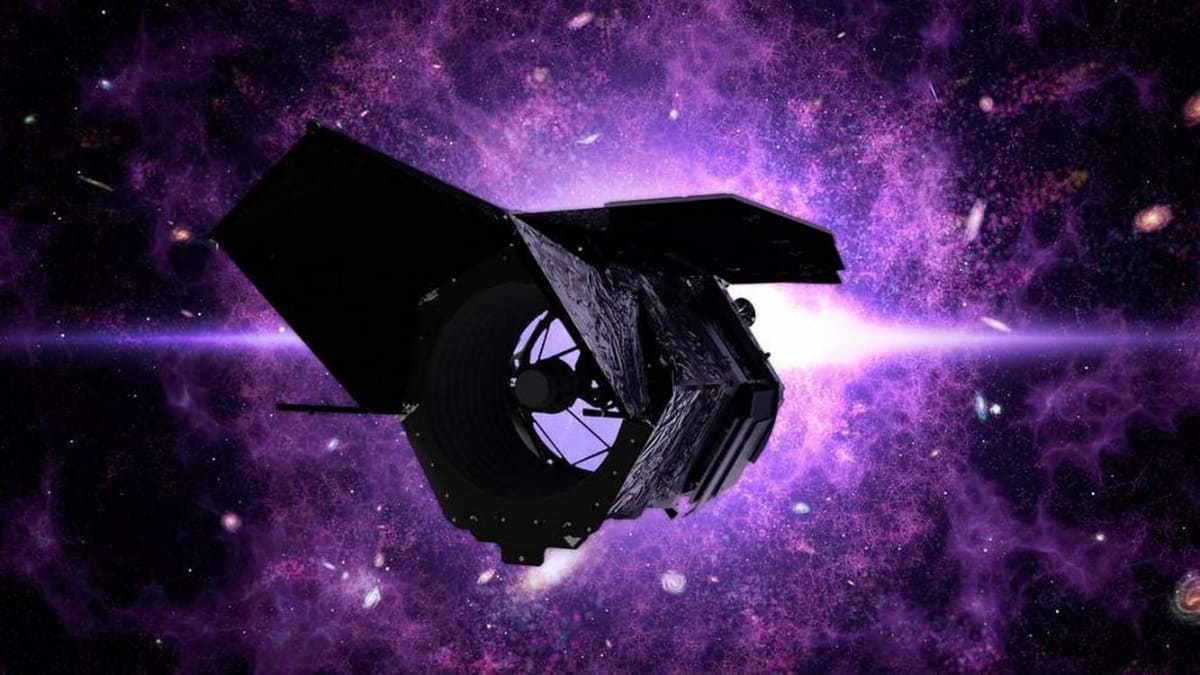
NASA's James Webb Space Telescope discovered that a hellish lava world 41 light years away has a hydrogen-rich atmosphere fueled by volcanic gases escaping from its molten surface. The findings give scientists their first real glimpse into how extreme rocky planets form and evolve beyond our solar system.
Scientists just unlocked secrets of one of the most extreme worlds ever discovered, and it's helping us understand how rocky planets evolve across the galaxy.
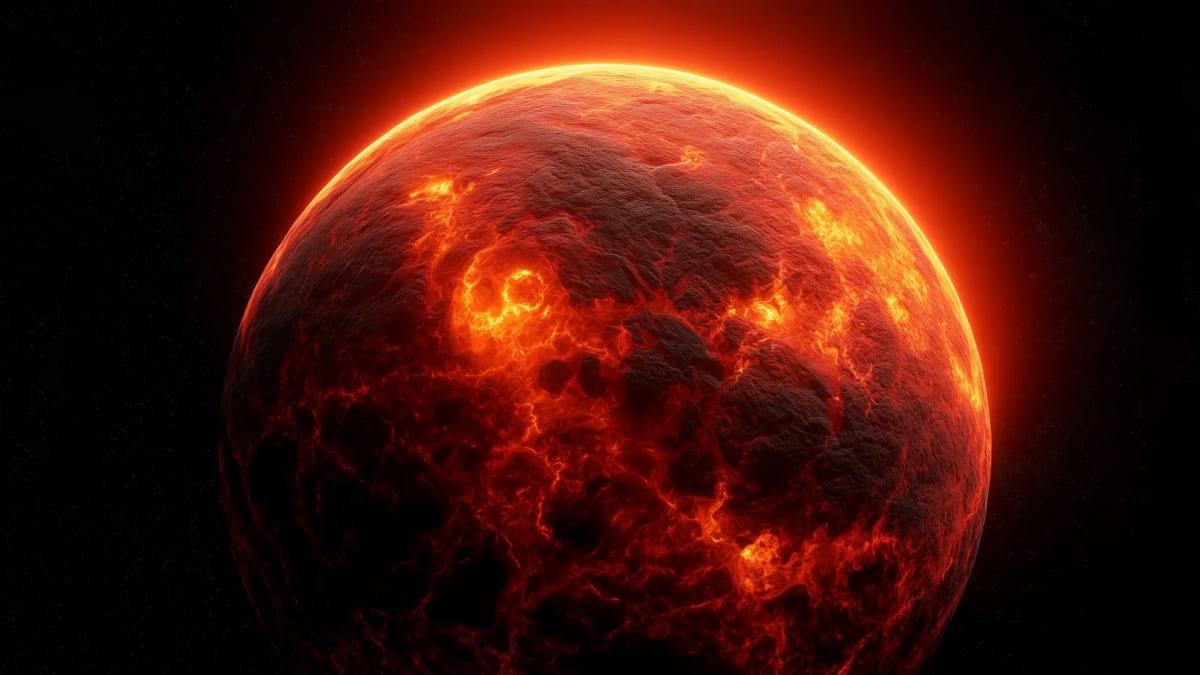
NASA's James Webb Space Telescope has revealed stunning new details about 55 Cancri e, a super Earth located 41 light years from our planet. This isn't just any world. It's a lava planet where surface temperatures are hot enough to keep rock in a permanent molten state.
The planet circles its star in just 0.7 days. For perspective, Mercury takes 88 days to orbit our Sun. That breakneck speed keeps 55 Cancri e close enough to its star that one side remains locked in eternal daylight, creating an ocean of liquid rock.
Webb observed five eclipses of the planet and found something unexpected. Instead of the carbon dioxide atmosphere scientists predicted, the telescope detected large amounts of hydrogen alongside carbon monoxide. This hydrogen-rich air appears to come directly from gases escaping the planet's molten interior.
Even more fascinating, the five observations showed variations that suggest temporary clouds might form from volcanic outgassing. These clouds could briefly cool the surface before dispersing, creating a dynamic atmosphere unlike anything in our solar system.
The planet's chemistry tells a deeper story about what's happening miles below its surface. The abundance of hydrogen over oxygen reveals the planet has what scientists call a "reduced" interior, where hydrogen and iron dominate over oxygen in the chemical mix. Because atmospheres reflect their planet's interior composition, these observations offer a rare window into the heart of an alien world.
Why This Inspires
This discovery represents more than just learning about one extreme planet. It's opening a new chapter in understanding how rocky worlds form and change over billions of years.
Lava planets like 55 Cancri e have rapidly captured scientific interest over the past decade. Other known lava worlds include K2-141 b, L 98-59 d, and CoRoT-7 b, each with orbital periods ranging from just 6.7 hours to several days. These extreme environments test the limits of planetary formation theories.
The findings submitted to Nature Astronomy could reshape how scientists think about rocky planet evolution. By studying worlds nothing like Earth, researchers gain insights into the full spectrum of planetary possibilities across our galaxy.
As Webb continues its mission, 55 Cancri e stands ready to reveal even more secrets. Each observation brings us closer to understanding not just how planets form, but how common Earth-like worlds might actually be in the vast cosmic neighborhood surrounding our solar system.
Based on reporting by Google: James Webb telescope
This story was written by BrightWire based on verified news reports.
Spread the positivity!
Share this good news with someone who needs it