Google to Release 32M Sterile Mosquitoes in US
Google wants to fight deadly disease by releasing 32 million bacteria-infected male mosquitoes in California and Florida. The tech giant's innovative approach has already cut dengue cases by 70% in Singapore.
Google is bringing its tech expertise to one of humanity's oldest battles: fighting the world's deadliest animal.
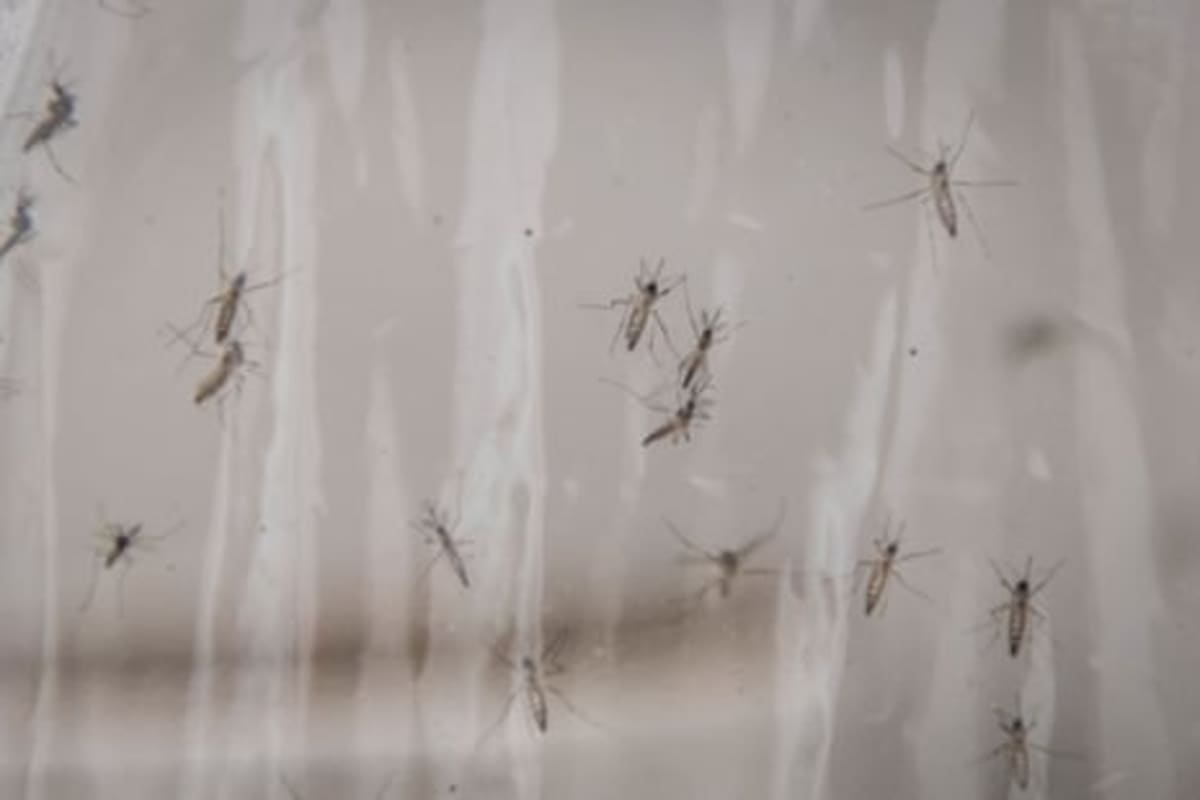
The company has asked federal regulators for permission to release up to 32 million sterilized mosquitoes across California and Florida over two years. These aren't ordinary insects—they're male mosquitoes carrying a naturally occurring bacteria called wolbachia that prevents their offspring from hatching.
Mosquitoes kill more people annually than any other creature by spreading dengue, Zika, West Nile virus, and malaria. Google's Debug program targets Aedes aegypti, the species responsible for most dengue, Zika, yellow fever, and chikungunya cases worldwide.
The strategy is elegantly simple. Male mosquitoes don't bite or spread disease. When these wolbachia-infected males mate with wild females, the eggs won't hatch. With each generation, the mosquito population shrinks naturally.
Google uses AI-powered computer vision to separate males from females in their automated rearing facilities. Engineers then deploy sensors and data analytics to release the males in precisely the right locations and quantities for maximum impact.
The Environmental Protection Agency is reviewing Google's experimental use permit request. The public comment period ends June 5.
The Ripple Effect
This isn't science fiction—it's proven science at scale. Singapore has already seen remarkable results after Google established its first international research hub there.
After releasing millions of wolbachia-infected mosquitoes, Singapore achieved 80 to 90% suppression of the Aedes aegypti population. Even more impressive, dengue incidents dropped by over 70% within six to twelve months of starting releases.
Scientists have used this sterile insect technique on problematic bugs for decades, but Google is applying its tech prowess to scale the solution. Traditional methods like pesticide spraying can be toxic and lose effectiveness over time. Finding and eliminating every breeding ground proves nearly impossible.
Google fully acquired the Debug program from its former subsidiary Verily in December 2024. The company started exploring tech-driven mosquito solutions about a decade ago as a moonshot project.
Linus Upson, head of Debug, announced plans to expand the Singapore site in May. "Our success in Singapore gives us the confidence to expand," he said, noting that 70% of the global dengue burden occurs in Asia.
The approach represents a fundamental shift in fighting disease-carrying insects—using biology and technology together instead of chemicals alone. Google is essentially debugging nature's code, replacing harmful mosquitoes with harmless ones generation by generation.
If approved, millions of Americans could benefit from fewer mosquito-borne illnesses while avoiding increased pesticide exposure.
More Images



Based on reporting by Google News - Health
This story was written by BrightWire based on verified news reports.
Spread the positivity!
Share this good news with someone who needs it