Ancient Proverb Shows Why Small Actions Create Big Change
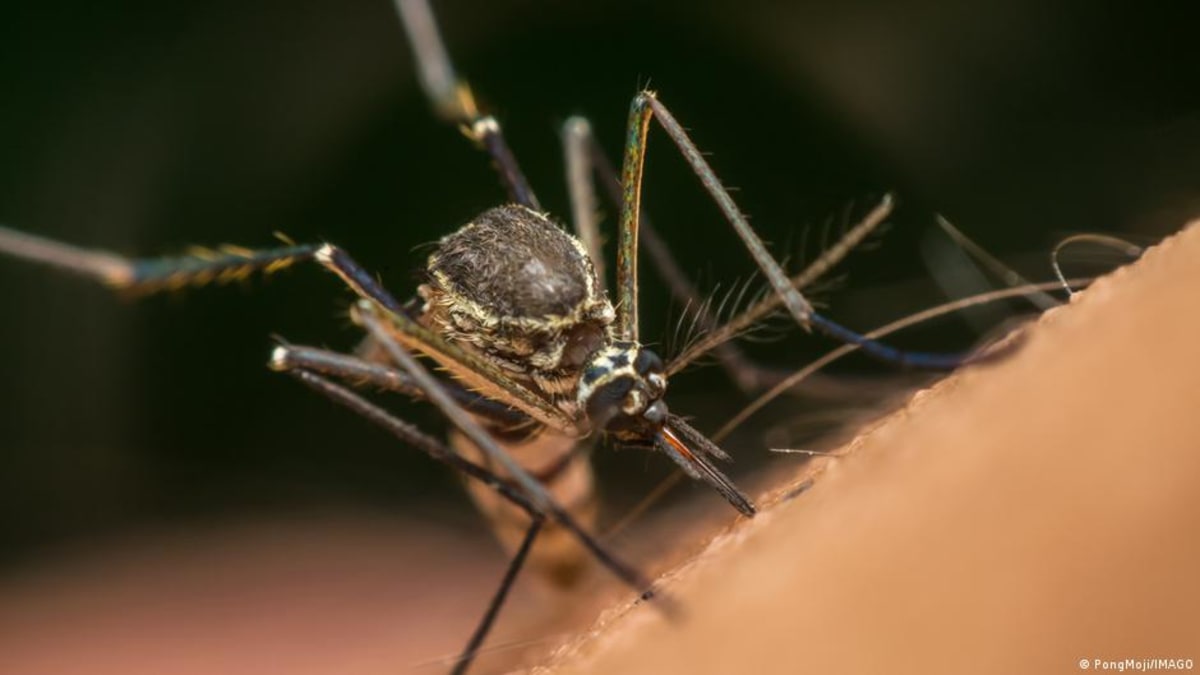
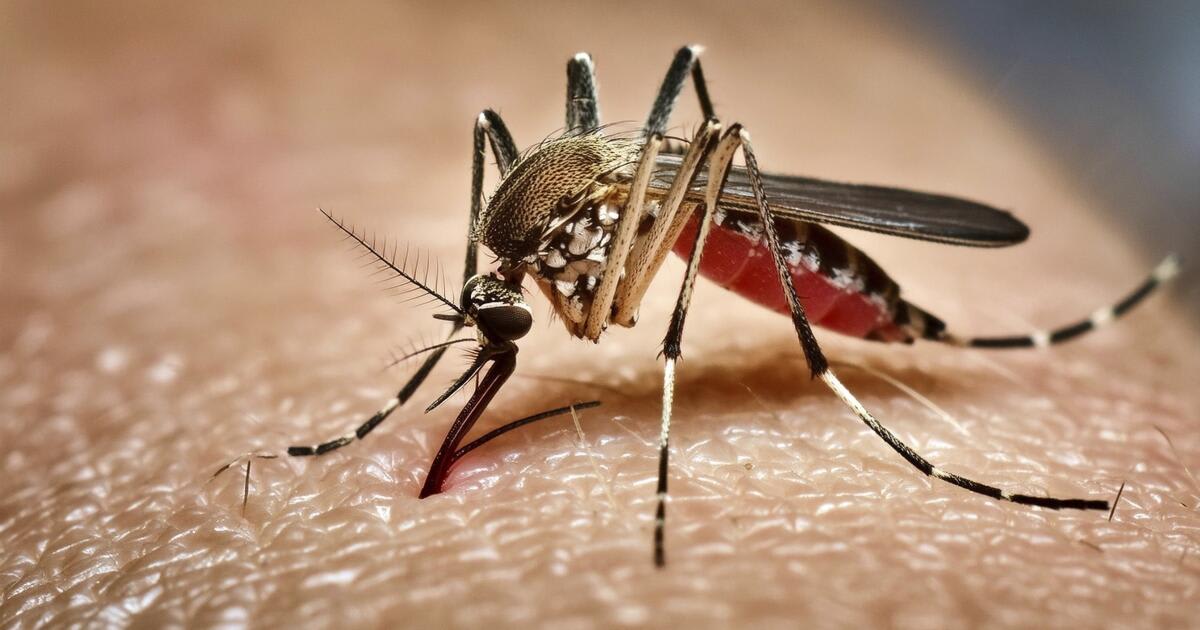
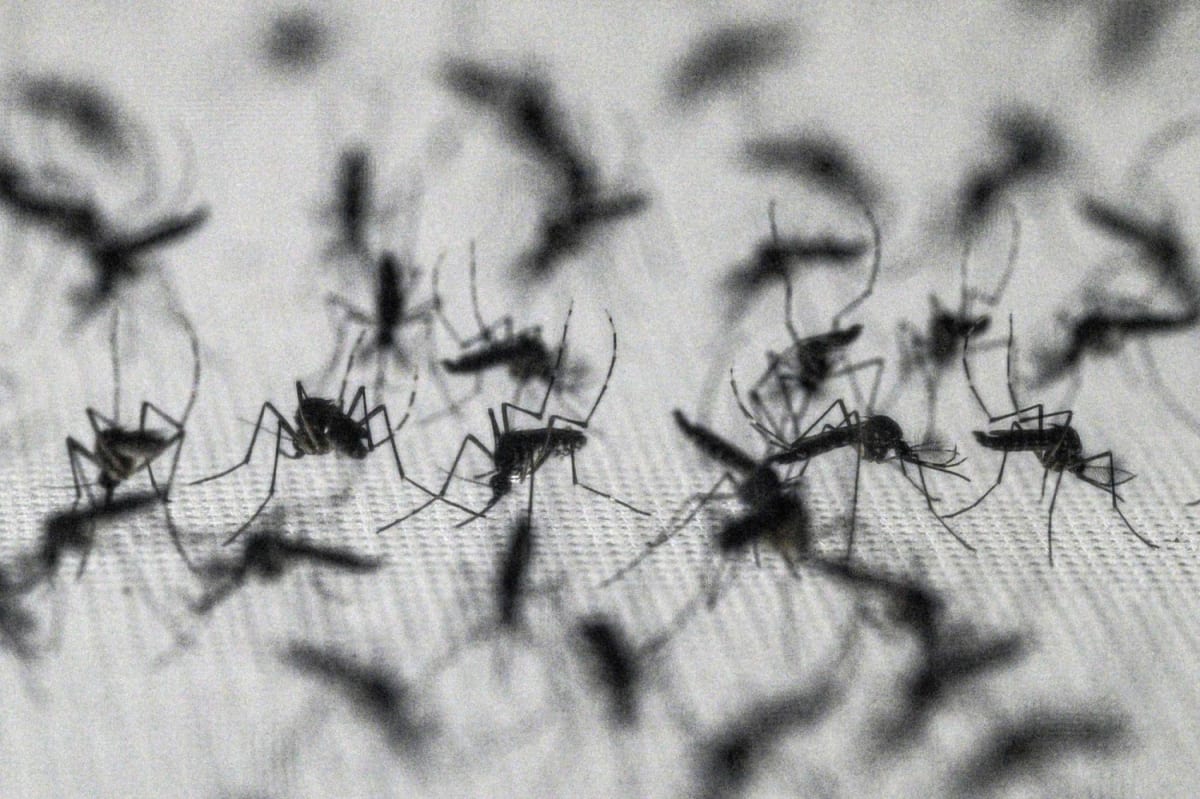
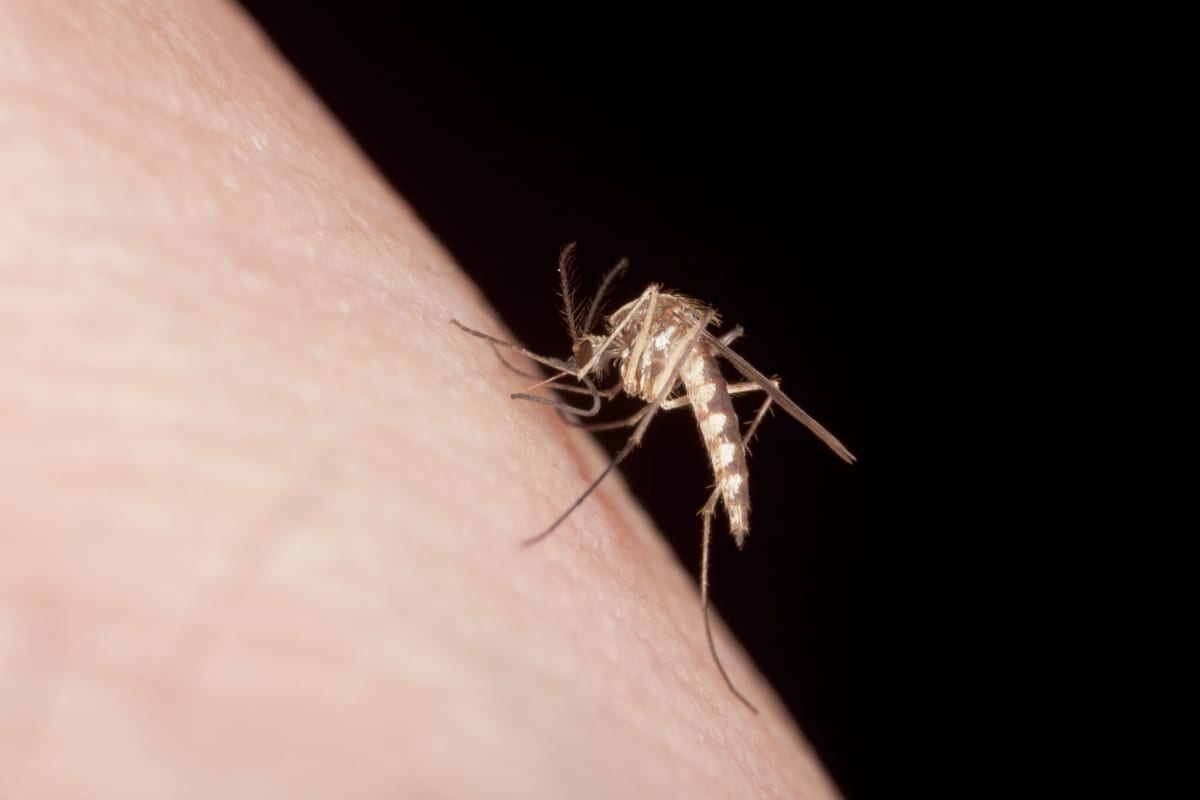
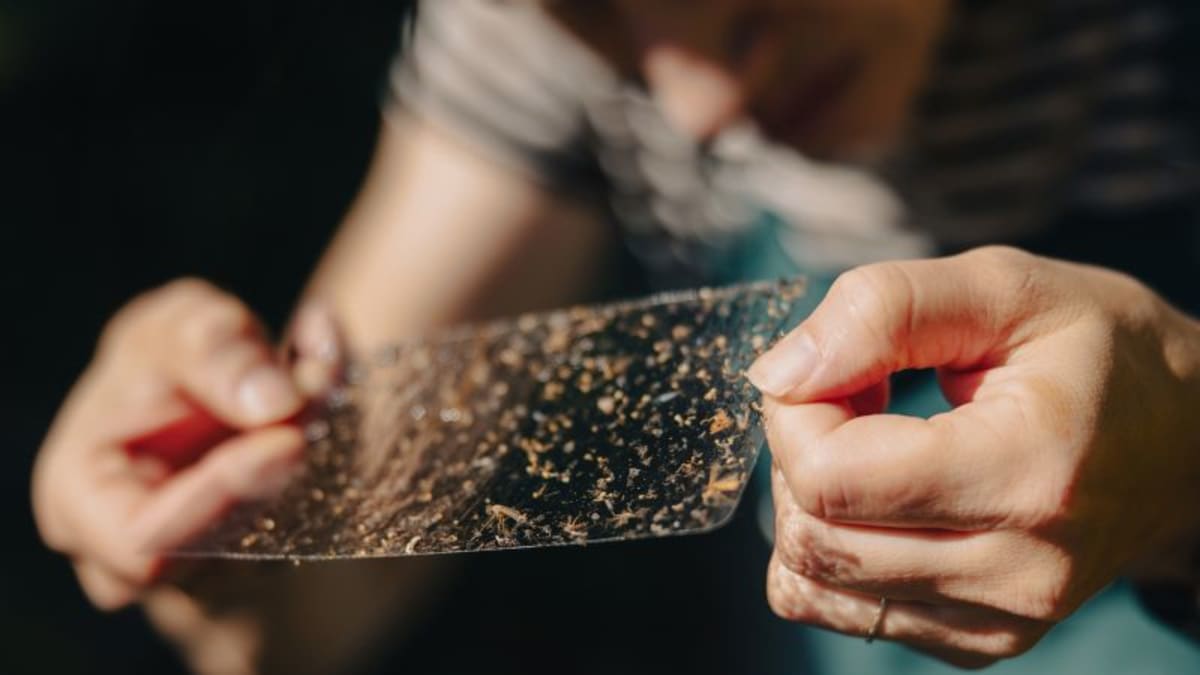
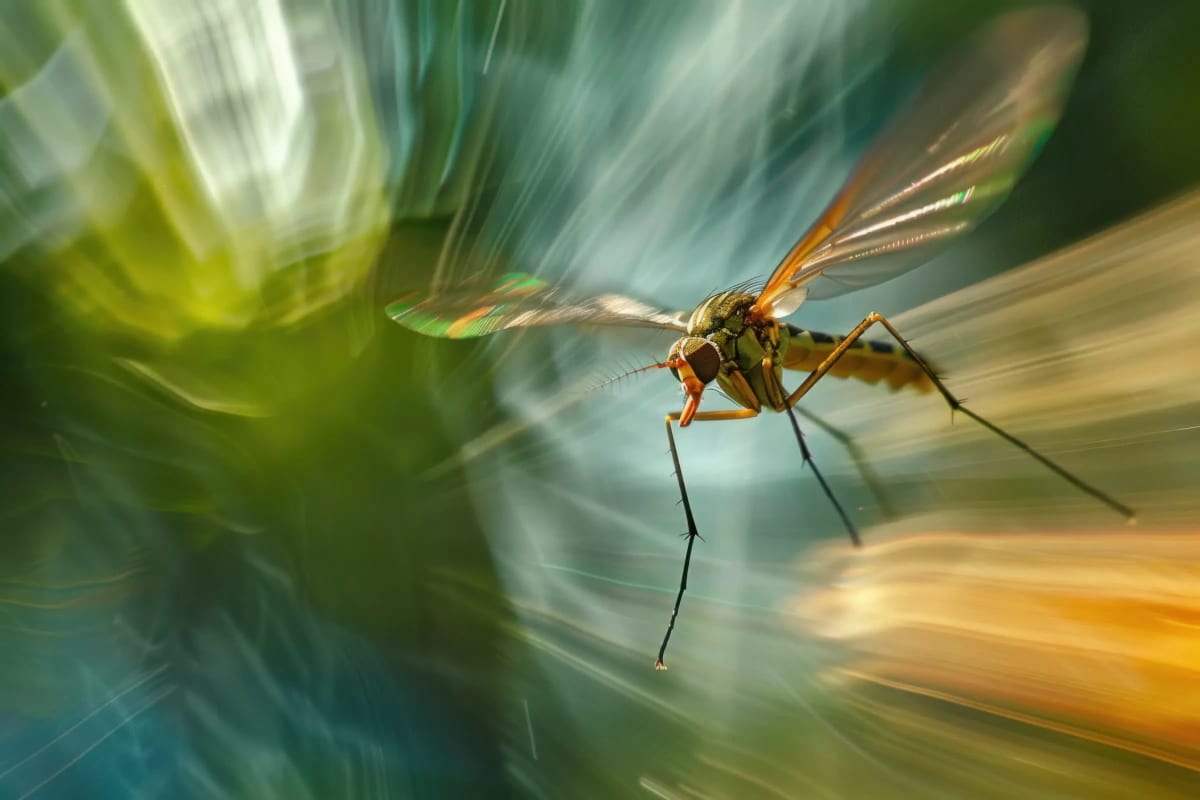
An African saying about mosquitoes is teaching people worldwide that size doesn't determine impact. The wisdom reminds us that even the smallest efforts can create powerful ripples of change.
Find uplifting stories about heroes, innovations, and solutions
14 results for "mosquitoes"
An African saying about mosquitoes is teaching people worldwide that size doesn't determine impact. The wisdom reminds us that even the smallest efforts can create powerful ripples of change.

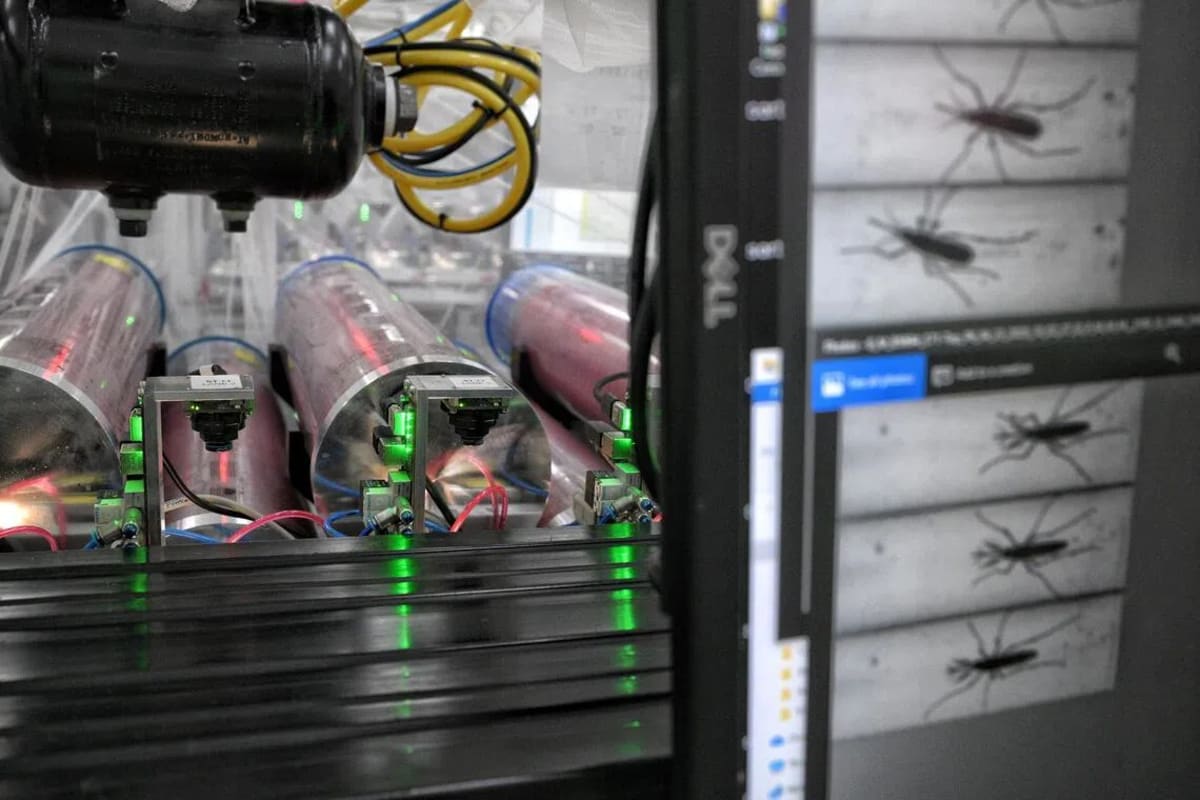
A tiny jumping spider in East Africa targets blood-filled mosquitoes with remarkable precision. Scientists discovered these spiders are attracted to human scent and could help control disease-carrying insects.

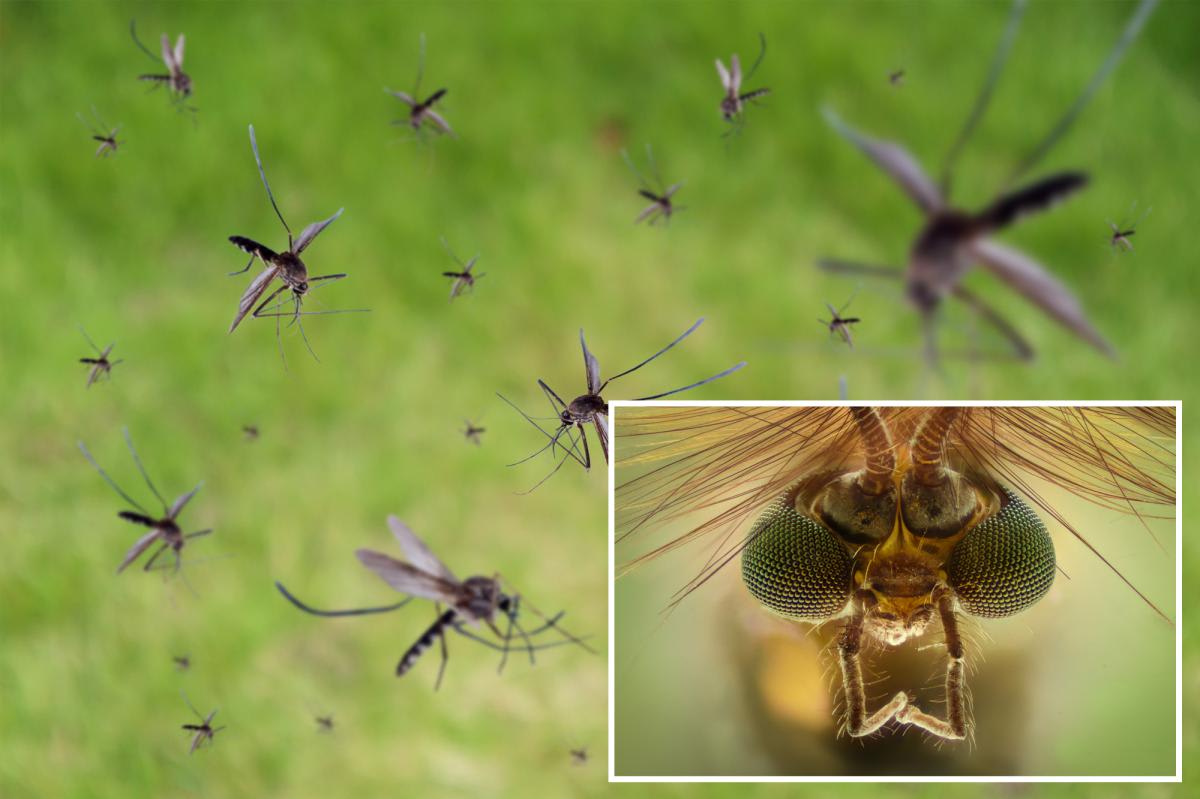
African scientists are developing breakthrough genetic technology that could reduce malaria-carrying mosquitoes by up to 98%. Researchers in Tanzania and Uganda are leading the world in creating mosquitoes that can't spread malaria or can reduce mosquito populations naturally.

Scientists discovered a spider smaller than a pencil eraser that hunts ants, mosquitoes, and even cockroaches up to six times its size. This tiny urban pest controller could be a natural solution to keeping homes bug-free.

Indian parents have cracked the code on protecting kids from mosquitoes without expensive fixes. Their tried and tested methods focus on blocking entry points and eliminating breeding spots using everyday habits.

Australian researchers turned bloodsucking mosquitoes into conservation heroes by using their DNA-filled blood meals to track elusive wildlife. In just two nights, they found twice as many animals as six weeks of traditional camera traps.

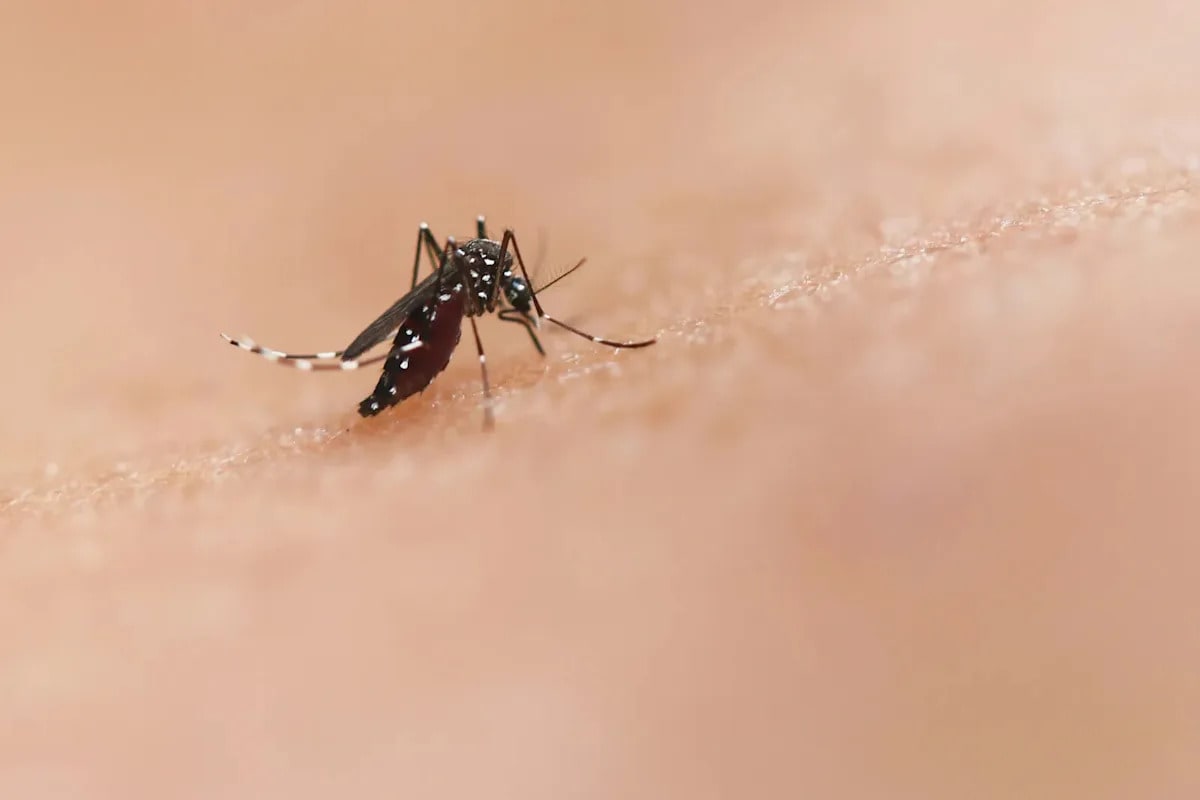
Scientists discovered that mosquitoes in Southeast Asia evolved to prefer human blood between 2.9 and 1.6 million years ago, offering new evidence of when our ancestors first arrived in the region. This breakthrough shows how nature itself can fill gaps in the fossil record.

A small Central African nation is launching a bold plan to become malaria-free within five years, using vaccines, genetically modified mosquitoes, and drone technology. After achieving a 75% drop in child malaria cases on one island, Equatorial Guinea is scaling up nationwide.
Two Tanzanian women scientists are pioneering next-generation malaria research that could stop the disease at its source. Their work combines field studies and lab innovation to develop mosquitoes biologically incapable of spreading malaria.

A Kolkata lawyer invested his life savings to transform forgotten Sundarbans land into India's first dragonfly conservation pond. Now it controls mosquitoes naturally, supports biodiversity, and teaches thousands of children about living ecosystems.

Scientists in Singapore proved a clever mosquito control method slashes dengue fever cases by 71% and mosquito populations by 77%. It's the first gold-standard study showing infected mosquitoes can protect entire cities from disease.

Scientists are developing genetically modified mosquitoes that can't spread avian malaria, offering hope for Hawaii's disappearing honeycreepers. Eleven of 17 remaining species face extinction without urgent intervention.

Scientists in Singapore turned mosquitoes into disease fighters using naturally occurring bacteria, slashing dengue infections by 70% across entire neighborhoods. The breakthrough offers hope for millions affected by the painful, sometimes deadly virus each year.

In Bangladesh, where disease-carrying mosquitoes thrive in waste-filled waterways, 50,000 young volunteers are cleaning their way to a healthier future. Their weekly cleanups are saving lives in a country facing record dengue outbreaks.