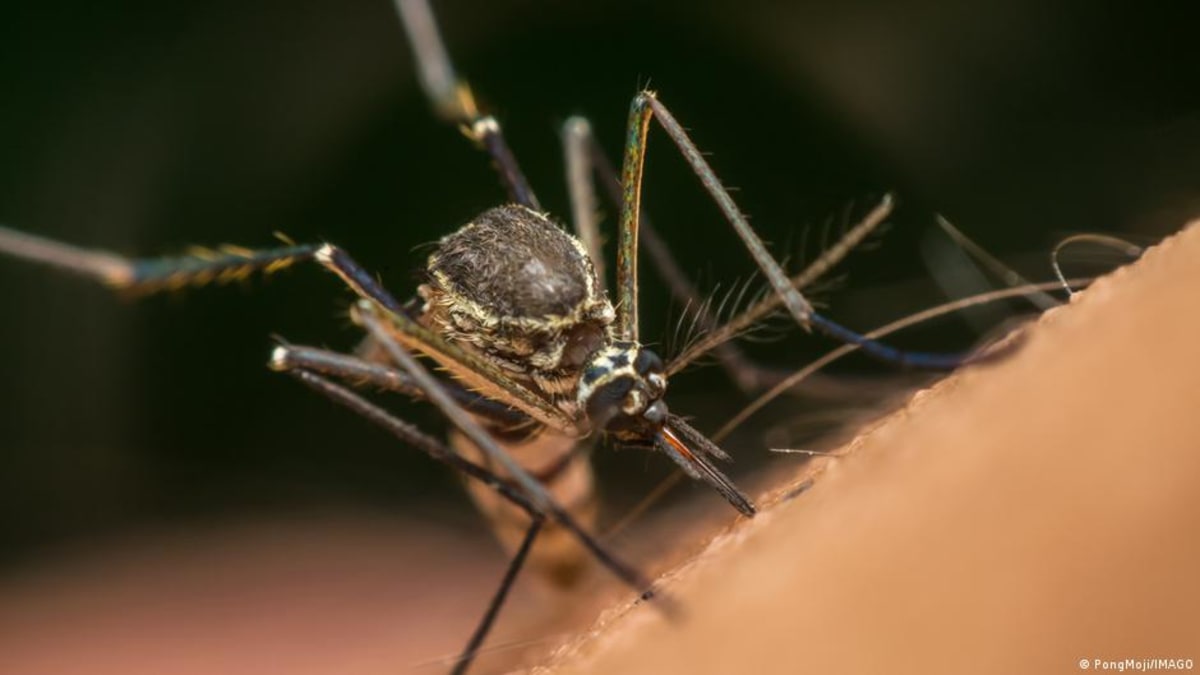
Google to Release 16 Million Mosquitoes in Florida
Scientists at Google are fighting disease-spreading mosquitoes by releasing millions of sterile male mosquitoes to shrink future populations. The clever strategy targets an invasive species that threatens 40% of the world's population with deadly diseases.
Imagine fighting mosquitoes by releasing millions more of them. That's exactly what Google scientists are doing in Florida and California, and it's brilliantly clever.
Google's Debug program plans to release 16 million specially treated mosquitoes in each state this year, then do it again next year. These aren't just any mosquitoes though. They're sterile males infected with bacteria called Wolbachia that can't produce offspring.
Here's how it works. When wild female mosquitoes mate with these sterile males, their eggs won't hatch. Each generation shrinks without any new bugs hatching. And since male mosquitoes don't bite humans, releasing millions of them won't increase annoying bites.
The program targets one specific villain: Aedes aegypti. This invasive mosquito from Africa has spread across the world, carrying dengue, yellow fever, Zika virus, and chikungunya. That last disease causes joint pain so severe it can last months or even years.
Nathan Burkett-Cadena from the University of Florida's Medical Entomology Laboratory calls it "a very bad mosquito." Because Aedes aegypti isn't native to Florida or California, no local animals depend on it for food. That means shrinking its population won't harm the ecosystem.
The technology behind this solution is remarkable. Debug researchers developed sensors and algorithms that quickly separate male mosquitoes from females. Getting this right matters because only the males can be released safely.
The Ripple Effect
Google isn't working alone. The World Mosquito Program already uses similar methods in 15 countries across Asia, Oceania, and the Americas. Their monitoring shows that Wolbachia passes from one mosquito generation to the next, creating long-term reductions in disease-spreading populations.
The approach protects 40% of the world's population currently at risk from Aedes aegypti diseases. That's billions of people who could benefit from fewer dengue outbreaks, less yellow fever, and reduced Zika transmission.
Google still needs approval from the US Environmental Protection Agency before releasing their mosquito army. But the science is proven, and the environmental impact on native species appears minimal.
Sometimes the smartest solutions sound backwards at first. Fighting mosquitoes with mosquitoes might seem strange, but it's working around the world to protect people from dangerous diseases without harmful chemicals or environmental damage.
Based on reporting by Google News - Health
This story was written by BrightWire based on verified news reports.
Spread the positivity!
Share this good news with someone who needs it