Google's 32M Mosquitoes Could Stop Disease in California
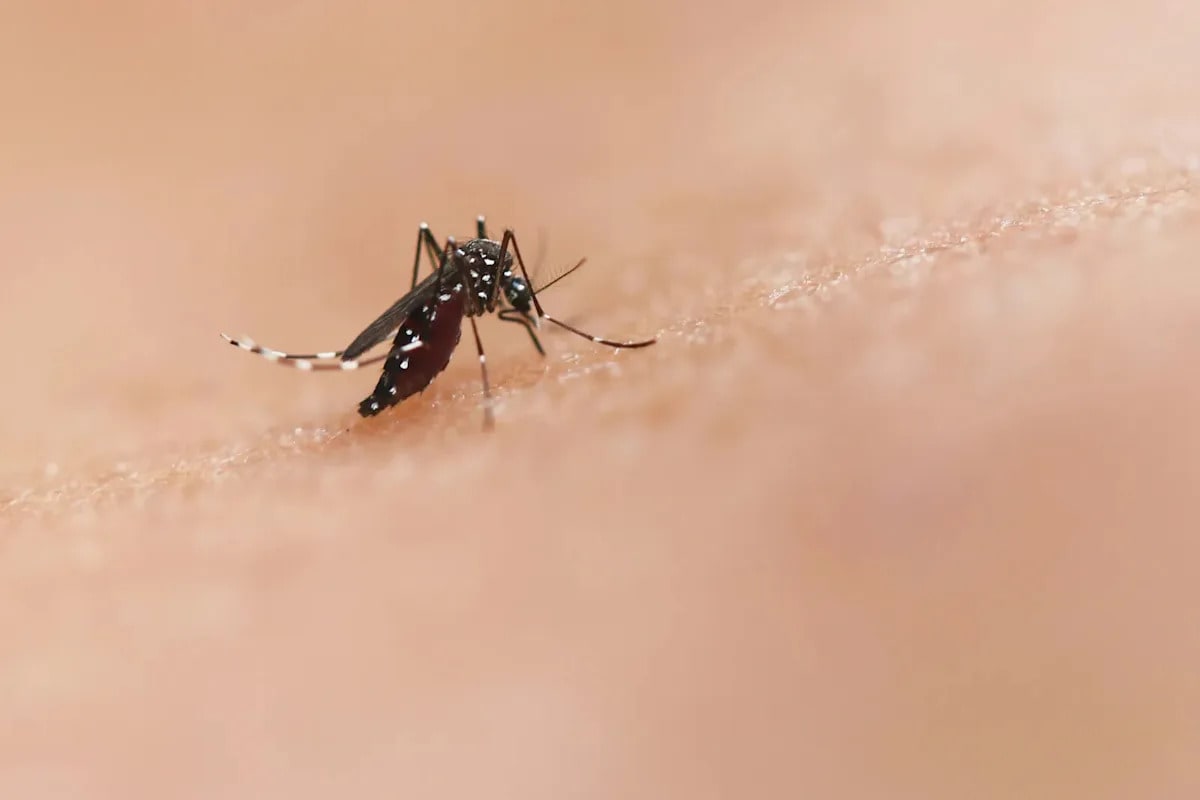
A groundbreaking public health trial could dramatically reduce mosquito-borne illnesses using specially treated insects instead of pesticides. Google is seeking federal approval to release 32 million modified mosquitoes across California and Florida over the next two years.
Imagine fighting disease by releasing millions more of the very insects that spread it. That's exactly what Google is proposing in a bold new approach to protecting public health.
The tech giant has asked federal regulators for permission to release 32 million specially treated mosquitoes in California and Florida over two years. These aren't ordinary mosquitoes. They've been modified to reduce reproduction rates and interrupt disease transmission cycles, offering a biological alternative to widespread pesticide spraying.
The scale is massive, but the approach is careful. Rather than releasing all 32 million insects at once, researchers plan phased releases in targeted zones where mosquito-borne diseases pose recurring threats. This measured rollout lets scientists monitor results and fine-tune their strategy based on what they observe.
The science behind it is fascinating. By introducing treated mosquitoes into wild populations, researchers aim to gradually shrink the number of disease-carrying insects over time. It's like fighting fire with fire, except the "fire" in this case has been engineered to extinguish itself.
California and Florida were chosen deliberately. Both states face seasonal mosquito pressures that can lead to outbreaks of serious illnesses. The data collected during this trial could reshape mosquito control strategies nationwide if the method proves successful.
Before any mosquitoes take flight, Google must clear rigorous federal reviews. Regulators are examining safety data, environmental impact assessments, and detailed monitoring plans. They're weighing potential health benefits against any risks to ecosystems or other species.
The Bright Side
This project represents a smarter, more sustainable path forward in public health. Traditional pesticide use can harm beneficial insects and contaminate water supplies. Biological control methods like this one target only the problem species while leaving the rest of the ecosystem intact.
Residents in trial zones likely won't notice immediate changes, as releases will be localized and carefully supervised. But the long-term payoff could be enormous: fewer disease cases without the environmental cost of chemical spraying.
The intersection of technology and environmental health is opening doors that seemed impossible just years ago. What Google is proposing isn't science fiction. Similar approaches have shown promise in smaller trials elsewhere, and this larger test could prove the concept works at scale.
Success here would give communities a powerful new weapon against diseases that continue to challenge even modern medicine. The coming months of regulatory review will determine whether this innovative approach gets its chance to shine.
More Images
Based on reporting by Google News - Health
This story was written by BrightWire based on verified news reports.
Spread the positivity!
Share this good news with someone who needs it