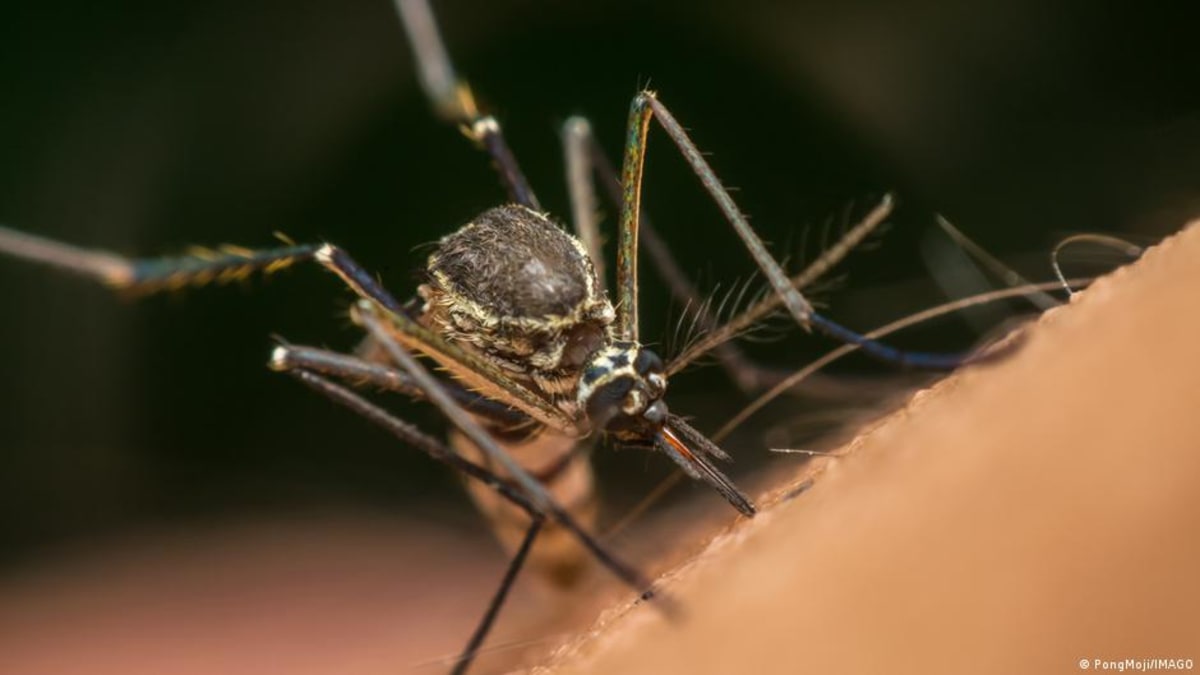
Google to Release 16M Sterile Mosquitoes to Fight Disease
Scientists at Google's Debug program plan to release 16 million specially bred male mosquitoes in Florida and California to combat disease-spreading invasive species. The sterile males will mate with wild females, preventing their eggs from hatching and shrinking dangerous mosquito populations naturally.
Releasing millions more mosquitoes to fight mosquitoes sounds backwards, but it might be our best weapon against deadly diseases like dengue and Zika.
Google's Debug program is planning something remarkable. The team wants to release 16 million specially bred male mosquitoes in Florida and California, with another round planned for next year.
Here's the clever part: these aren't just any mosquitoes. The males carry bacteria called Wolbachia that makes them sterile. When they mate with wild females, the eggs simply won't hatch.
"Mosquitoes, like a lot of insects, only mate once in their lives," explains Robert Hancock, a mosquito behavior scientist at Metropolitan State University of Denver. "That's the key for this whole thing to work."
One female mosquito can lay over 100 eggs in her lifetime. When she mates with one of Google's sterile males, none of those 100-plus mosquitoes will be born. Do the math with 16 million sterile males, and that's an enormous number of prevented mosquitoes.
The best part? Male mosquitoes don't bite humans, so releasing millions more won't mean more itchy welts for anyone.
The target is Aedes aegypti, an invasive mosquito originally from Africa that now threatens 40% of the world's population. This species spreads dengue, yellow fever, Zika virus, and chikungunya, which causes excruciating joint pain lasting months or years.
Florida makes perfect sense as a testing ground. The state hosts some of the oldest established populations of Aedes aegypti, and the species has developed resistance to traditional insecticides.
"This is a very bad mosquito," says Nathan Burkett-Cadena from the University of Florida's Medical Entomology Laboratory. Because Aedes aegypti isn't native to Florida, no local animals rely on it for food, meaning reducing its numbers won't disrupt the ecosystem.
The Ripple Effect
The Debug program represents a shift in how we think about pest control. Instead of carpet-bombing ecosystems with chemicals that harm beneficial insects and create resistance, scientists are using nature's own reproductive cycle against invasive species.
This targeted approach could become a model for fighting other invasive pests worldwide. Similar programs using Wolbachia bacteria have already shown success in Indonesia and other countries battling mosquito-borne diseases.
The Debug team is developing cutting-edge technology combining sensors and algorithms to quickly separate male from female mosquitoes, a challenge that once seemed nearly impossible. They're currently awaiting approval from the US Environmental Protection Agency before beginning releases.
If successful, this program could protect millions of people from devastating diseases without harmful side effects or environmental damage, proving that sometimes the smartest solution is working with nature instead of against it.
Based on reporting by DW News
This story was written by BrightWire based on verified news reports.
Spread the positivity!
Share this good news with someone who needs it