Google Releasing 16M Mosquitoes to Fight Disease
Scientists at Google are fighting disease-spreading mosquitoes by releasing millions of sterile males that prevent the next generation from hatching. The innovative approach targets an invasive species responsible for dengue, Zika, and yellow fever without adding more bites.
Scientists at Google just found a brilliant way to fight disease without a single drop of pesticide: release 16 million mosquitoes that can't have babies.
The Debug program sounds wild at first. Why would anyone release more mosquitoes into Florida and California? But here's the genius: these lab-raised males carry bacteria called Wolbachia that makes them sterile.
When a wild female mosquito mates with one of Google's sterile males, her eggs simply won't hatch. Since mosquitoes only mate once in their lifetime, that one encounter prevents over 100 potential disease carriers from ever being born.
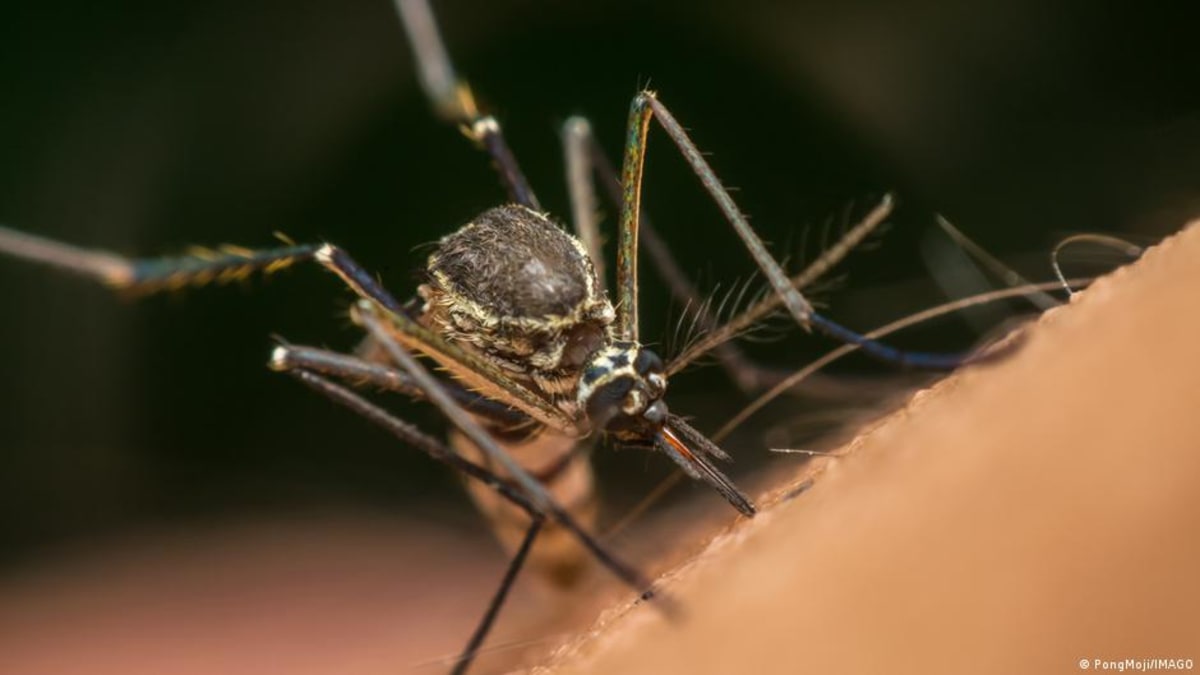
The target isn't just any mosquito. Google is specifically hunting Aedes aegypti, an invasive species originally from Africa that spreads dengue, yellow fever, Zika virus, and chikungunya, a disease causing joint pain that can last for years.
This invader now threatens 40% of the world's population. In Florida, these mosquitoes have built up resistance to traditional insecticides, making new solutions desperately needed.
Here's another bonus: male mosquitoes don't bite humans. So releasing 16 million of them won't mean more itchy welts or buzzing around your backyard barbecue.
Robert Hancock, a mosquito behavior scientist at Metropolitan State University of Denver, explains the math. One female lays more than 100 eggs. With 16 million sterile males released at once, that's potentially billions of disease carriers prevented from ever existing.
The technology behind this takes serious innovation. Debug researchers developed sensors and algorithms to quickly and accurately separate male mosquitoes from females, a task that's surprisingly tricky at microscopic scales.
Why This Inspires
This approach shows how creative thinking can solve problems that brute force couldn't fix. Instead of spraying more chemicals that mosquitoes grow resistant to, scientists are using the insects' own biology against them.
Nathan Burkett-Cadena, an associate professor at the University of Florida's Medical Entomology Laboratory, points out another environmental win. Since Aedes aegypti isn't native to Florida, no local animals depend on this specific species for food. Eliminating them won't trigger harmful cascading effects on the ecosystem.
Matthew DeGennaro, director of the Biomolecular Sciences Institute at Florida International University, notes that Florida's established Aedes aegypti populations and growing insecticide resistance make it a perfect testing ground for innovative solutions.
Google has filed for a permit with the US Environmental Protection Agency and is awaiting approval. If successful, they plan to repeat the releases annually, potentially offering a sustainable way to protect millions from mosquito-borne diseases.
The future of fighting disease might not be in stronger chemicals, but in smarter science that works with nature instead of against it.
Based on reporting by Google News - Health
This story was written by BrightWire based on verified news reports.
Spread the positivity!
Share this good news with someone who needs it