Google Plans 32M Mosquito Release to Fight Dengue in CA
Google wants to release millions of sterilized mosquitoes in California to combat disease-carrying insects using breakthrough technology. A 2018 trial in Fresno saw a stunning 95% drop in the biting mosquito population.
Imagine a future where disease-carrying mosquitoes practically disappear from your backyard without a single chemical spray.
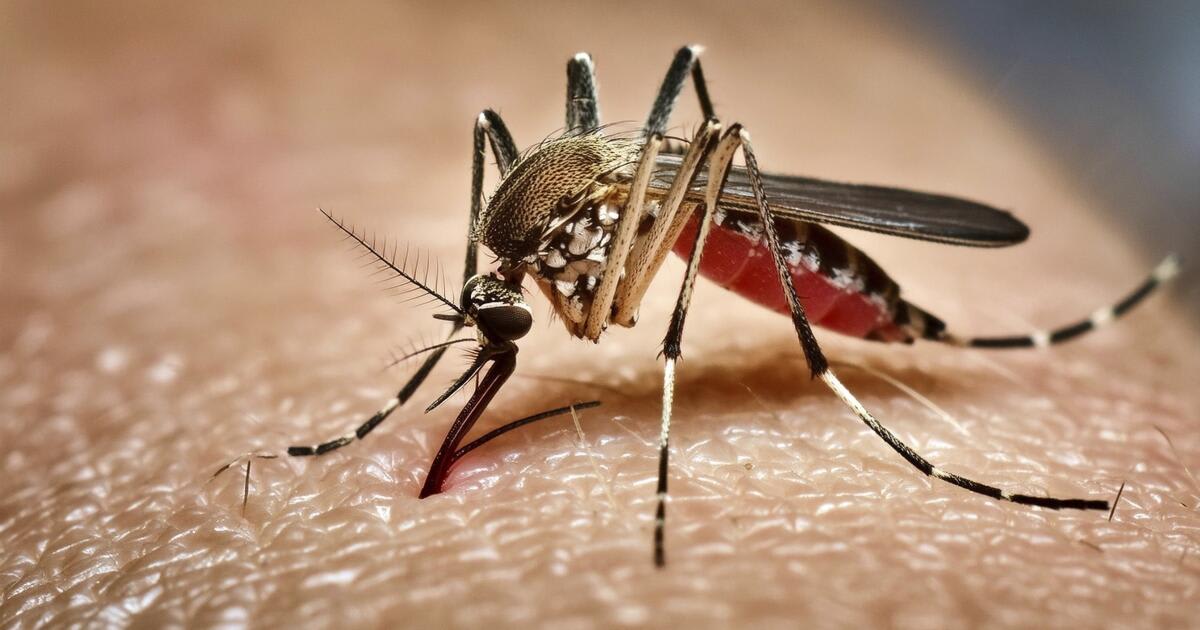
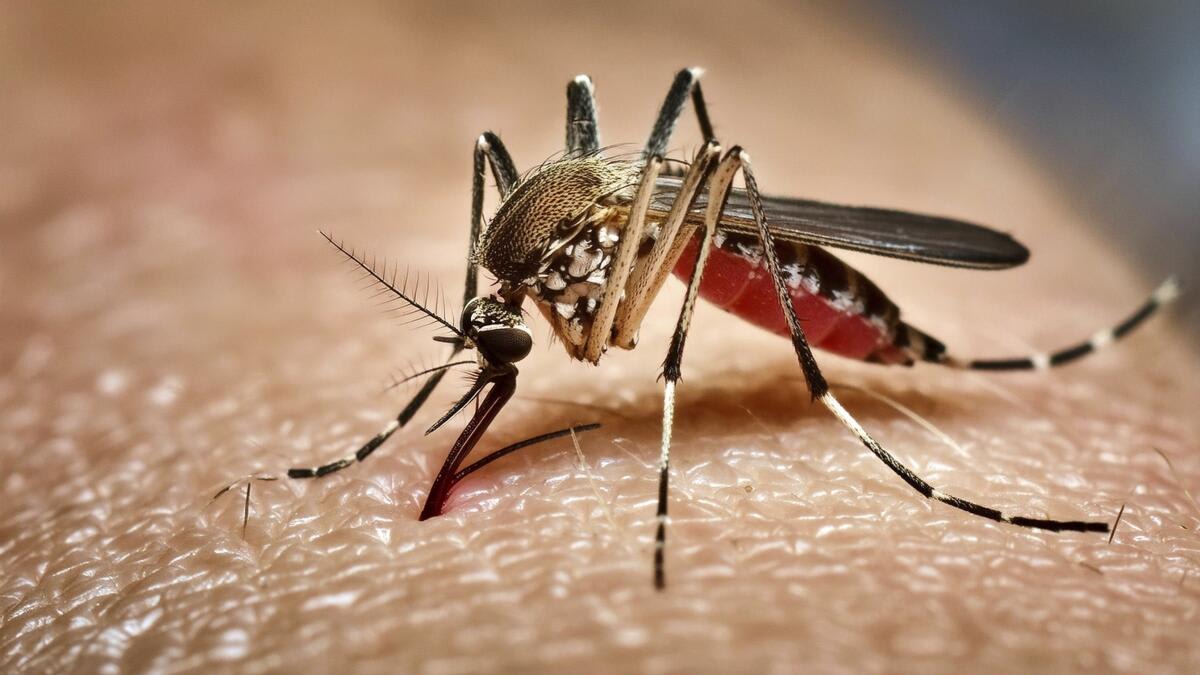
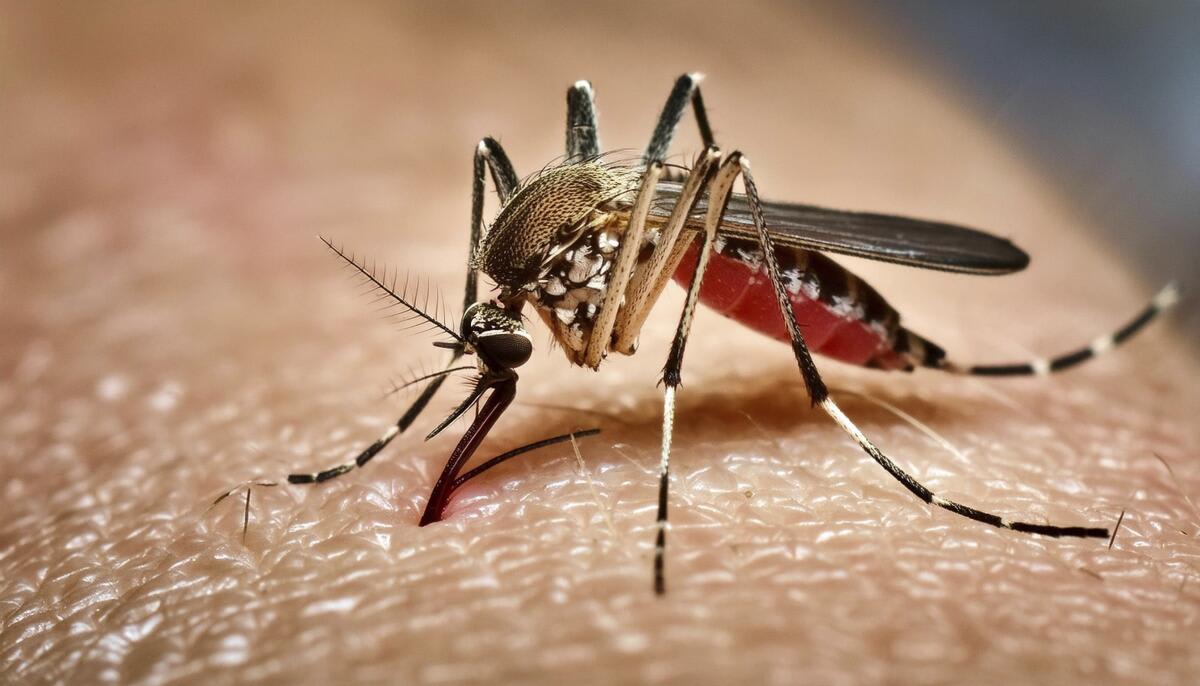
Google is seeking federal approval to release up to 32 million sterilized male mosquitoes across California over the next two years. The tech giant's Debug project targets the ankle-biting Aedes aegypti mosquito, an invasive species that can spread dengue, Zika, and yellow fever.
Here's how it works: Scientists infect male mosquitoes (which don't bite) with a bacteria called Wolbachia that makes them sterile. When these males mate with wild females, the eggs won't hatch. Over time, the population crashes.
Google isn't just copying an old idea. The company is revolutionizing the process with sensors, algorithms, and software that can quickly sort males from females, a task that currently takes hours of manual labor. They're also building smart monitoring tools to figure out exactly where mosquitoes need to be released and when.
The approach already worked once. In a 2018 Fresno County trial, Google released 14.4 million sterile males in three neighborhoods. By peak mosquito season, female populations dropped by 95% in treated areas. One isolated neighborhood saw a stunning 99% reduction.
The timing couldn't be better. California logged its first locally transmitted dengue cases in 2023, meaning people got infected right in their own communities. By 2024, that number jumped to 18 cases, mostly in Los Angeles County.
A new study published last week found that 18.2 million Californians now live in areas suitable for dengue transmission. Climate change could put another 4.1 million residents at risk by mid-century.
Other California counties are already seeing results with similar techniques. Two neighborhoods treated by the Greater Los Angeles Vector Control District saw over 80% fewer mosquitoes in 2024 and 2025 using irradiated males.
Why This Inspires
This story shows what happens when cutting-edge technology meets a real public health challenge. Google isn't just building better search engines anymore. They're using the same innovation that organized the world's information to protect communities from disease.
The beauty of this approach is its simplicity and safety. No pesticides poisoning the environment. No chemicals seeping into water supplies. Just nature working against itself, guided by smart technology that makes the process efficient and affordable.
If approved by the EPA, Google's releases could happen in California and Florida simultaneously, with 16 million mosquitoes per state each year. Local vector control districts that struggle with funding could potentially partner with a company that has the resources and technology to scale solutions quickly.
What started as a small experiment in Fresno could become a model for fighting disease worldwide, proving that sometimes the best solutions don't fight nature but work with it.
More Images


Based on reporting by Google News - Health
This story was written by BrightWire based on verified news reports.
Spread the positivity!
Share this good news with someone who needs it