Gophers Helped Mount St. Helens Recover After 1980 Eruption
A 24-hour experiment with pocket gophers in the 1980s sparked decades of ecological recovery at Mount St. Helens. The tiny diggers brought buried fungi and bacteria to the surface, transforming barren volcanic rock into thriving habitat.
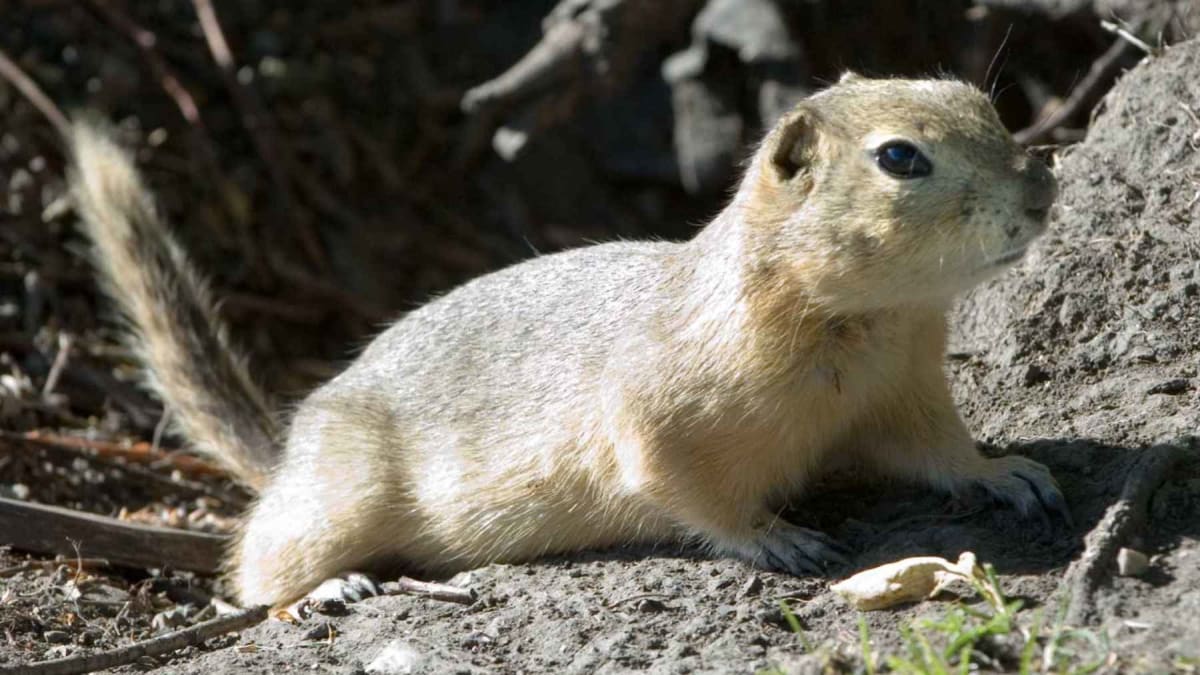
When Mount St. Helens exploded in 1980, it buried 230 square miles under hot ash and rock. But the unlikely heroes of its recovery turned out to be pocket gophers.
The eruption killed 57 people and flattened forests in minutes. Thick layers of volcanic debris buried the old soil so deeply that helpful microbes and fungi couldn't reach new plant roots trying to grow on the surface.
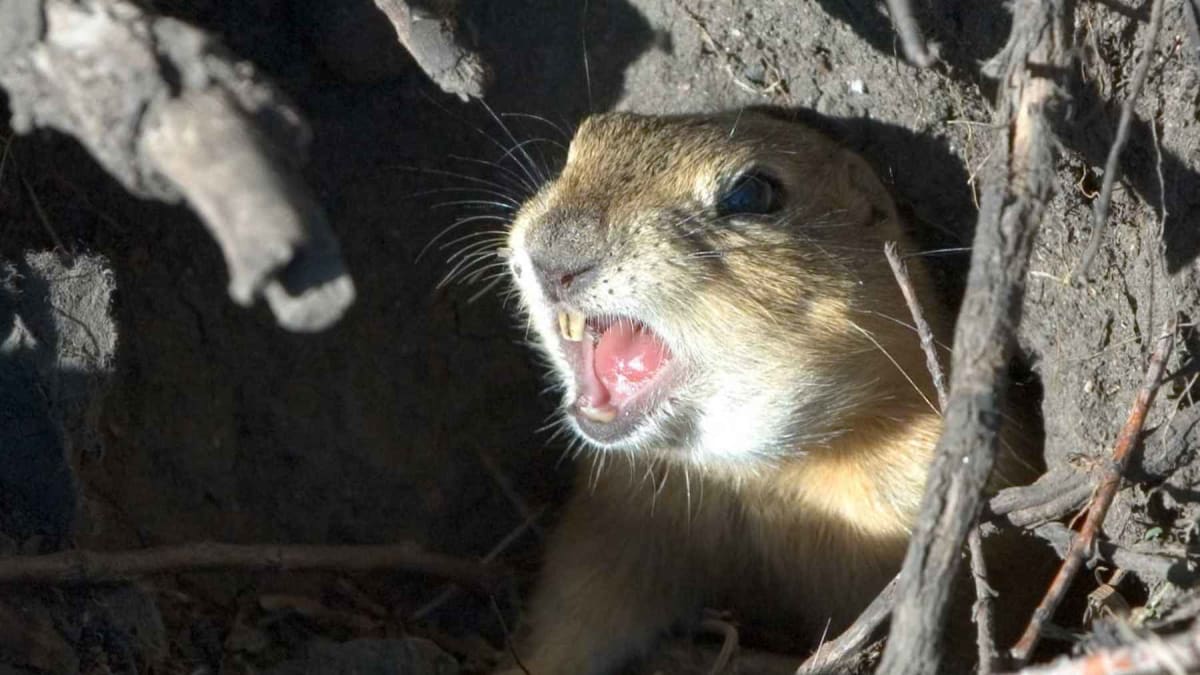
A few years later, scientists tried something that sounds almost silly. They placed local pocket gophers in small barren plots for just 24 hours to see if their digging could help.
The results stunned everyone. Six years after that single day of gopher activity, the treated plots held around 40,000 plants while nearby untreated ground remained mostly bare.
The secret wasn't the gophers themselves but what they brought to the surface. Mycorrhizal fungi form partnerships with plant roots, acting like tiny underground delivery systems that help plants collect water and nutrients.
By digging, the gophers moved fungal spores, bacteria, and older soil into places where new roots were trying to grow. They essentially turned harsh volcanic rock into a starter kit for life.
Recent research led by University of Connecticut mycologist Mia Rose Maltz examined the long-term effects of that brief experiment. Using modern genetic tools, her team found lasting differences in microbial communities at the gopher plots, including more root-friendly fungi than similar areas without gopher activity.
The study also revealed another recovery story. In old-growth forests, fallen pine needles from the eruption became food for existing fungal networks, helping trees bounce back quickly.
But clearcut areas where trees had already been removed before the eruption struggled without those underground partnerships. The difference showed how invisible networks beneath our feet can decide whether recovery succeeds or fails.
The Ripple Effect
This discovery matters far beyond one volcano. After fires, floods, and other disasters, we often focus on what we can see above ground: the first green shoots or returning wildlife.
But the real work of recovery often happens in the soil, where fungi, bacteria, and small burrowing animals quietly rebuild the foundation for everything else. Understanding these hidden partnerships could help restoration efforts worldwide.
The gopher experiment wasn't meant to be a universal solution, and scientists caution that what worked at Mount St. Helens might not work everywhere. Restoration is local work that requires careful planning.
Still, the lesson is hard to ignore. A volcano can destroy a landscape in minutes, but a small mammal digging for just one day can help decide what grows back for decades.
Sometimes the smallest creatures make the biggest difference in bringing life back from disaster.
---
More Images
Based on reporting by Google News - Recovery Story
This story was written by BrightWire based on verified news reports.
Spread the positivity!
Share this good news with someone who needs it