West Africa Trains Air Quality Experts to Fight Pollution
A new training center in Ghana is teaching African scientists how to measure deadly air pollution using sensors built for African conditions. The program could save thousands of lives by putting better data in the hands of policymakers.
Scientists across West Africa are finally getting the tools and training they need to fight one of the continent's deadliest threats: air pollution.
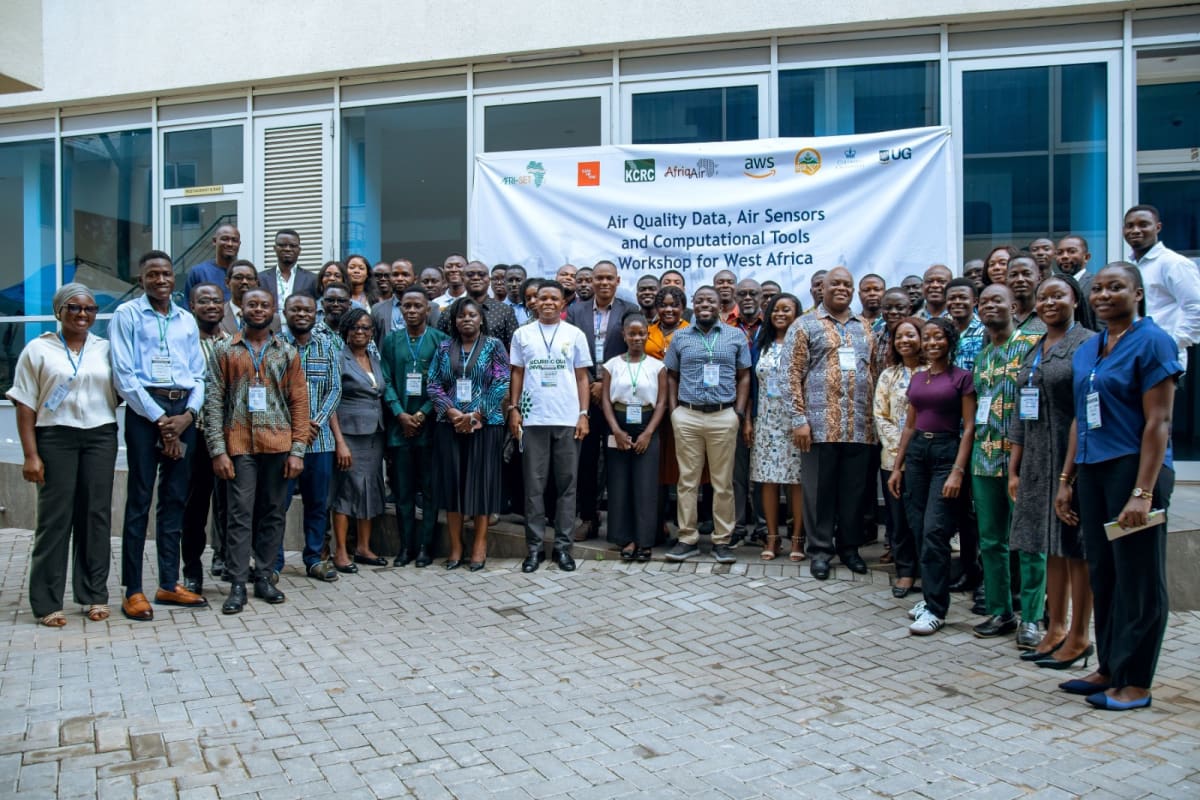
The University of Ghana just hosted its third regional workshop on air quality monitoring, bringing together researchers, health officials, and policymakers from across West Africa. The four-day training focused on using and analyzing data from air quality sensors that actually work in African weather conditions.
The workshop addresses a critical problem. Most air pollution sensors are designed and tested in Europe and North America, where temperatures, humidity levels, and pollution sources differ dramatically from African conditions. Heat and moisture can throw off readings, making imported sensors unreliable for African cities.
That's where Afri-SET comes in. The Air Quality Sensor Evaluation and Training Facility, based in the University of Ghana's Physics Department, tests low-cost sensors to see how they perform in real African environments. Dr. Allison Felix Hughes, who manages the facility, says understanding sensor behavior in local conditions is crucial for getting accurate data.
The stakes couldn't be higher. Air pollution contributes to approximately 28,000 preventable deaths in Ghana alone every year, according to World Health Organization estimates. In Greater Accra, premature deaths from air pollution could jump from 2,800 in 2015 to 4,600 by 2030 without urgent action.
The economic toll is staggering too. Air pollution costs Ghana an estimated $2.5 billion annually, representing 4.5% of the country's entire economy. Millions of people across the continent breathe dangerous levels of polluted air daily from vehicle exhaust, burning waste, and cooking fuels.
But measuring the problem properly has been nearly impossible. Many African institutions lack both the right equipment and enough trained experts who can deploy sensors, collect data, and interpret results in ways policymakers can understand and act on.
The Ripple Effect
The workshop uses a "training of trainers" model designed to multiply its impact across the region. Participants return to their home countries equipped to train others, creating a growing network of air quality experts throughout West Africa.
Ghana is already making progress. The country published new Air Quality Management Regulations in 2025 and launched the Ghana Air Quality Portal, which provides real-time pollution data to researchers, students, NGOs, and the public. Workshop sessions covered everything from urban monitoring techniques to health impacts, data visualization, and even radon risks.
Desmond Appiah, Country Lead for the Clean Air Fund in Ghana, emphasized why locally adapted sensors matter. When policymakers receive accurate, understandable air quality data collected under African conditions, they can make better decisions to protect public health.
This growing network of trained experts means African countries can finally measure their air pollution accurately and take action based on solid evidence instead of guesswork.
Based on reporting by Myjoyonline Ghana
This story was written by BrightWire based on verified news reports.
Spread the positivity!
Share this good news with someone who needs it