Portugal's 3,700-Year-Old Olive Tree Still Produces Fruit
Scientists in Portugal have dated hundreds of ancient olive trees, including one that's been producing olives for over 3,700 years. The discovery reveals a living link to civilizations that existed before ancient Rome. #
Imagine biting into an olive from a tree that was already ancient when the pyramids were young.
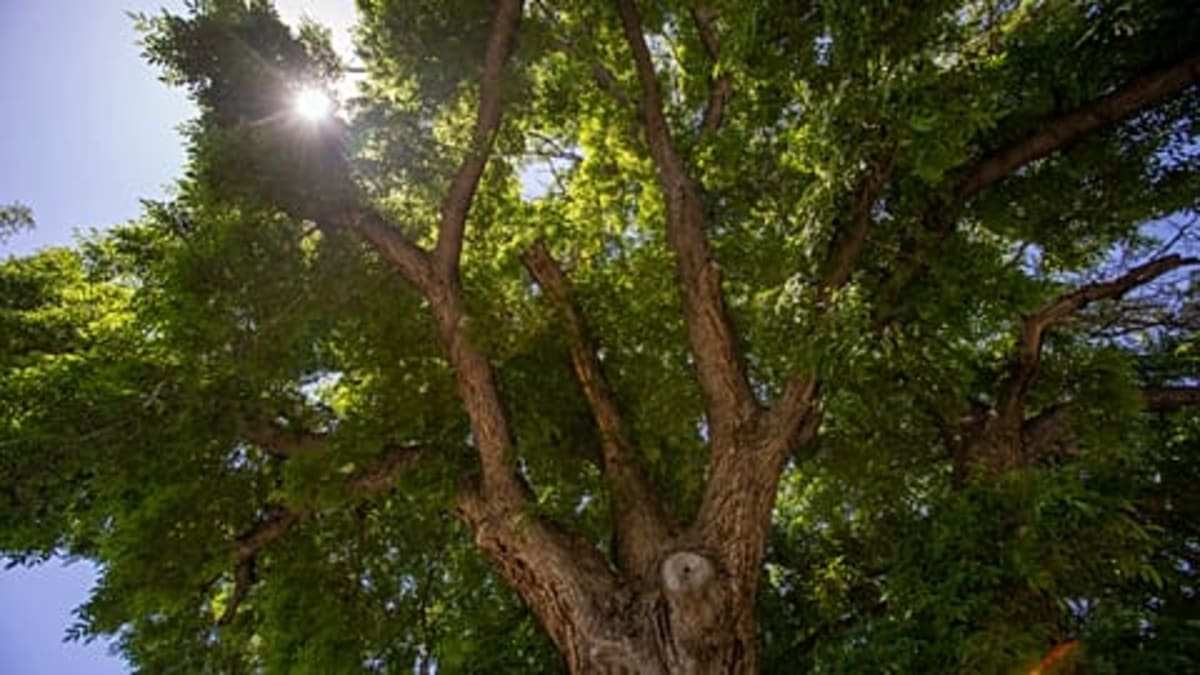
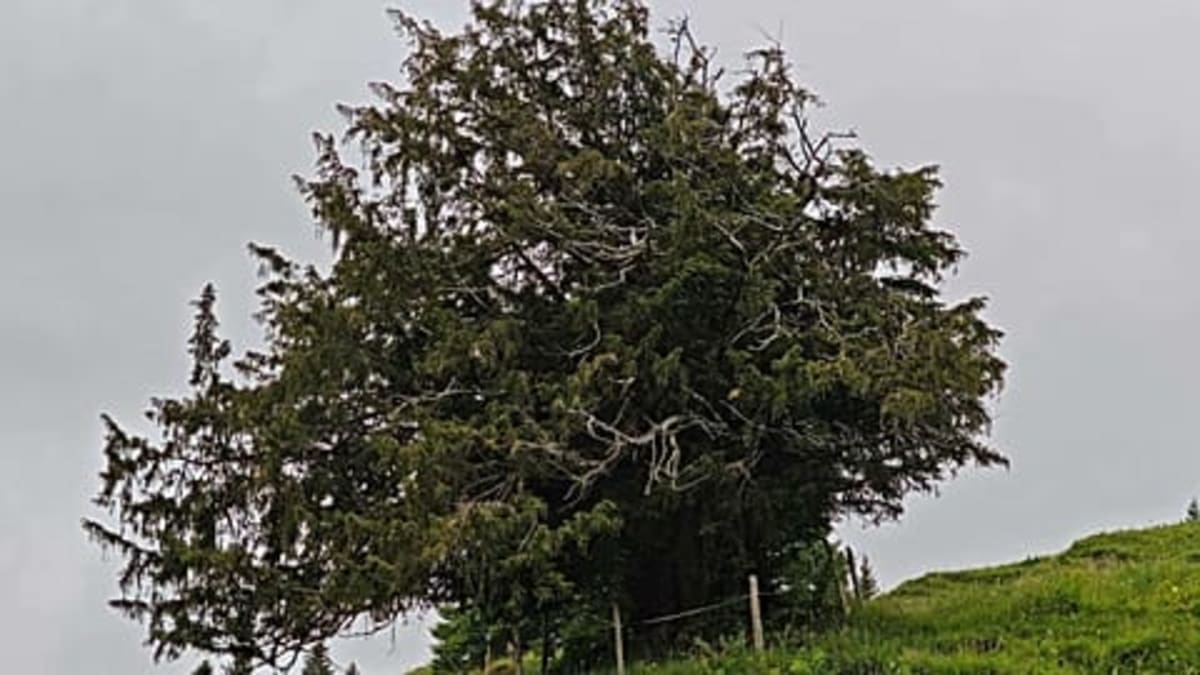
In Portugal's Alentejo region, researchers have confirmed the existence of an olive tree on the Herdade do Peso estate that's more than 3,700 years old. The tree, known as "Oliveira do Peso," is still producing fruit today, defying everything we think we know about aging.
Scientists at the University of Trás-os-Montes and Alto Douro developed a patented method to date these living monuments. Their technique uses mathematical models based on trunk characteristics like diameter and circumference to calculate age without harming the trees.
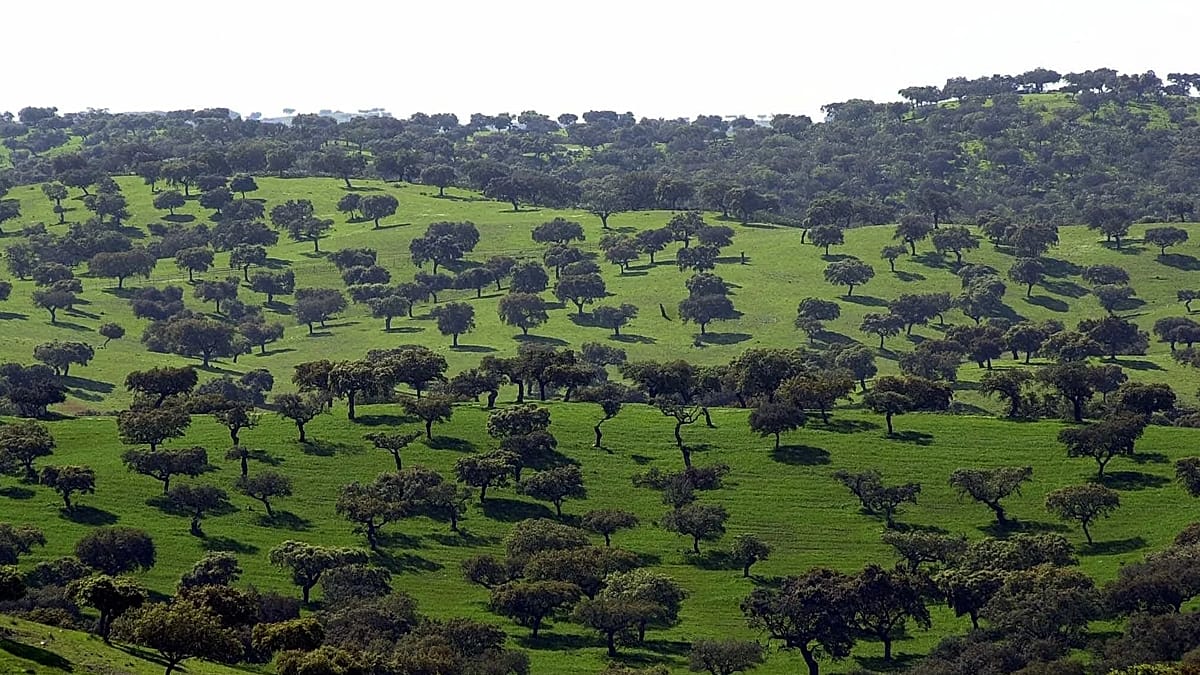
The results have been astonishing. Portugal is home to hundreds of olive trees over 2,000 years old, scattered across regions from Abrantes to Monsaraz.
One tree in Abrantes, called "Oliveira do Mouchão," was producing olives at 3,350 years old in 2018. Another in Santa Iria de Azóia clocked in at 2,850 years when tested.
These aren't museum pieces behind glass. They're working trees on working land, still contributing to Portugal's olive harvest after millennia.
Why This Inspires
What makes these trees special isn't just their age. It's their refusal to quit.
Researcher José Luís Louzada explains that olive trees possess an extraordinary capacity for rejuvenation. Even ancient trunk pieces can sprout new growth, allowing the tree to keep producing indefinitely.
Portugal's Mediterranean climate gives these trees everything they need to thrive. South of the Mondego River, conditions are so ideal that olive trees could theoretically live forever, outlasting countless human generations.
The university's dating method has now crossed borders. Teams have been invited to certify ancient olive trees in Spain and France, including a 2,300-year-old specimen on the island of Menorca.
On the Herdade do Peso estate where the oldest tree stands, there's a grove of olive trees whose combined ages exceed 7,000 years. Walk through that grove and you're surrounded by living witnesses to the rise and fall of empires, the birth of religions, and the evolution of human civilization.
These trees survived invading armies, climate shifts, and the relentless march of progress. They did it by adapting, regenerating, and staying deeply rooted in the soil that sustains them.
In a world obsessed with the new, Portugal's ancient olive trees are a quiet reminder that longevity comes from resilience, not resistance to change.
#
More Images
Based on reporting by Euronews
This story was written by BrightWire based on verified news reports.
Spread the positivity!
Share this good news with someone who needs it