Three Nations Restore Grasslands Feeding 2 Billion People
From Kenya to Kazakhstan, communities are rescuing the overlooked grasslands that feed 70% of the world's livestock. Local knowledge plus modern science is bringing degraded rangelands back to life.
Rangelands don't make headlines, but they quietly feed 2 billion people and supply nearly 70% of the world's livestock feed. Now three countries are proving that combining traditional wisdom with hard data can rescue these vital grasslands from disappearing.
Rangelands are the grasslands, shrublands, and drylands found on every continent except Antarctica. They support herders, farmers, and entire communities who depend on these lands for food and income.
The problem is urgent. Up to 40% of the world's rangelands are already degraded or at risk, worn down by drought, overgrazing, and decades of neglect.
In northern Kenya's Marsabit County, satellite images from 1990 show grasslands steadily turning to barren ground. The Chalbi desert is projected to double in size within decades if current trends continue.
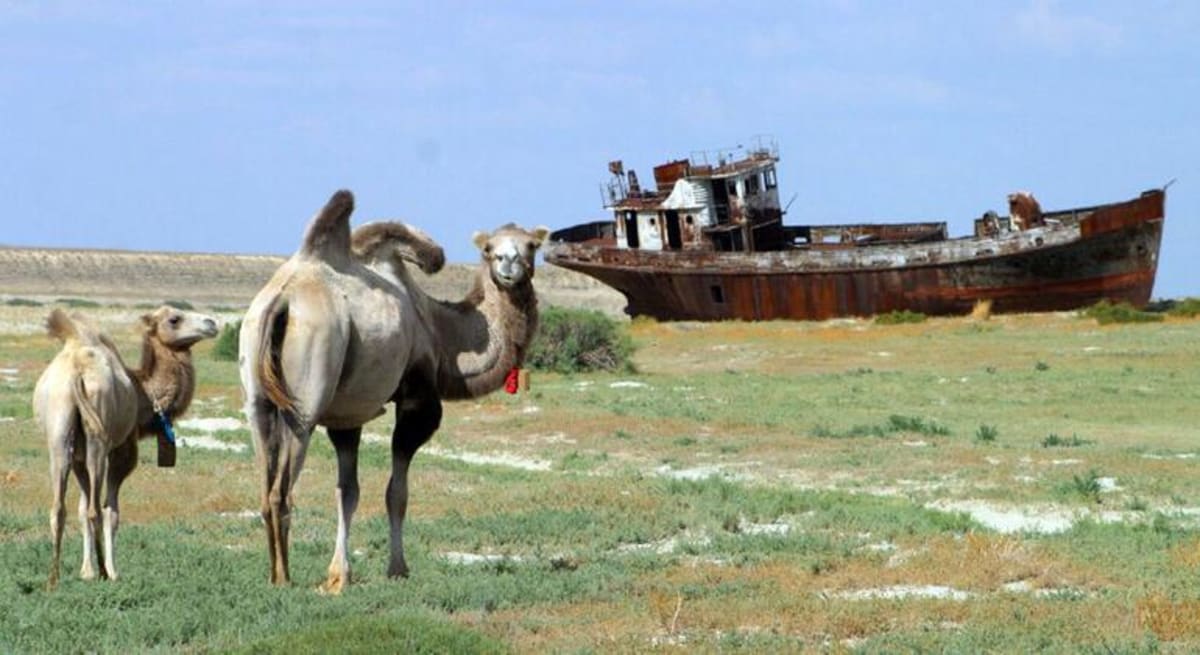
Kazakhstan faces an even starker crisis. The Aral Sea, once the world's fourth largest lake, has largely vanished, leaving behind a 5.4 million hectare salt desert. Over 80% of nearby pastures are now degraded, and toxic dust storms carry salt thousands of kilometers away.
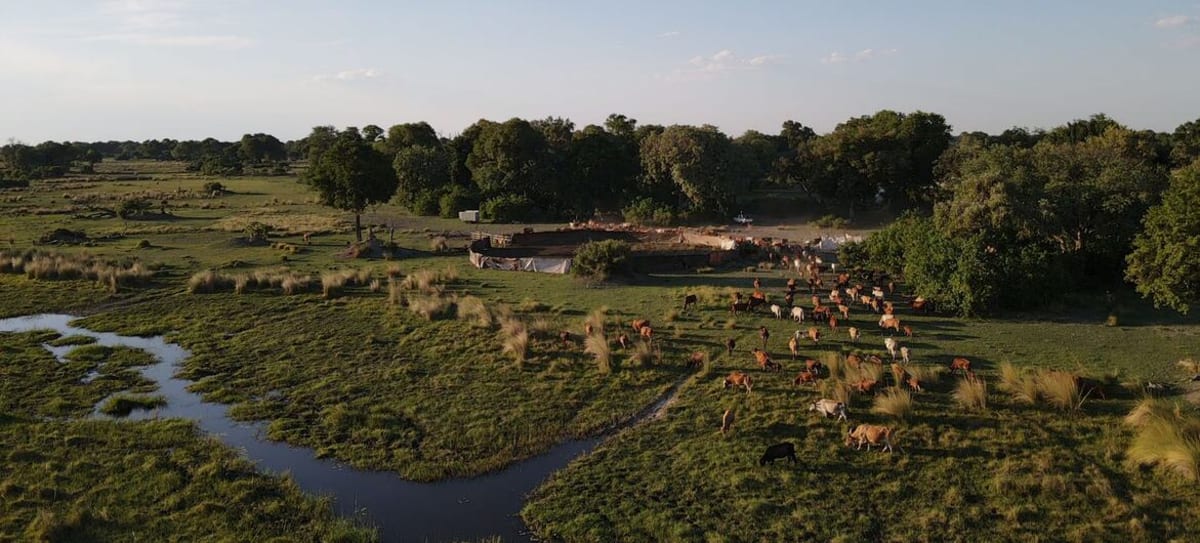
In Botswana, rangelands underpin everything from beef exports to safari tourism. Yet invasive plants are spreading as droughts hit harder and more often, leaving less time for the land to recover between dry spells.
The Ripple Effect
What makes these restoration efforts different is who's leading them. Botswana built its national ecosystem assessment with input from more than 2,000 people, including government researchers and traditional knowledge holders.
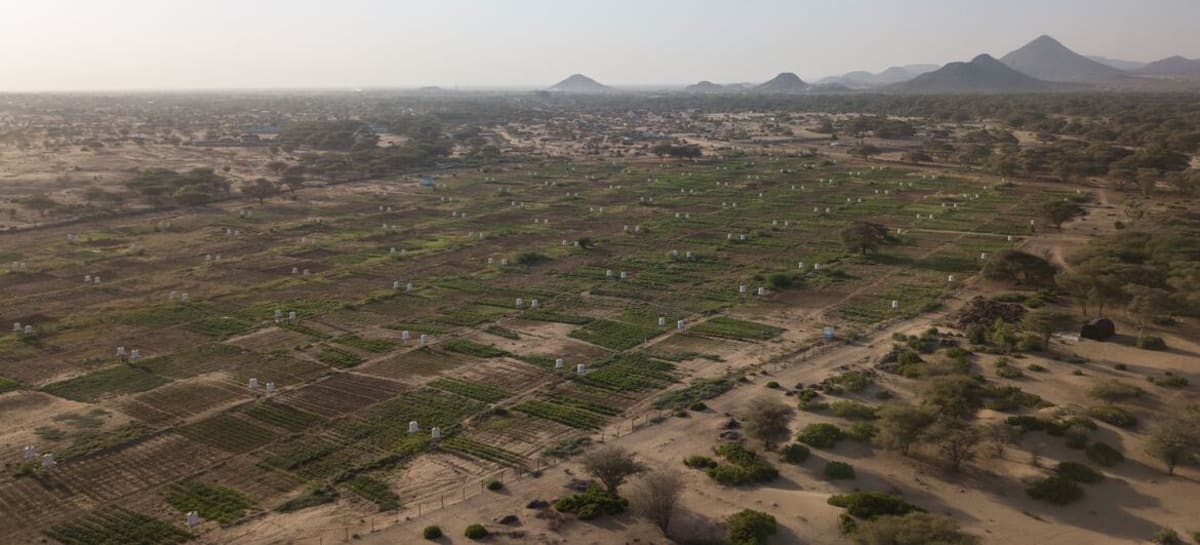
Kenya paired 33 years of satellite data with the memories of Indigenous elders who recall how the land used to look. That combination produced practical solutions: a flood diverting structure in Kalacha, test plots for regrowing vegetation, and training programs so communities can track changes themselves.
Kazakhstan launched a saxaul tree replanting program on the dried Aral Sea bed that has already covered 337,000 hectares. The goal is 1.1 million hectares by 2030, turning toxic salt flats back into productive land.
The pattern is the same across all three countries: restoration works when people see their own knowledge reflected in the solution. Where traditional, community led land governance remains strong in Botswana, the rangelands hold up better.
Data alone doesn't save a rangeland. Trust, ownership, and lived expertise make the difference between programs that fade away and ones that take root.
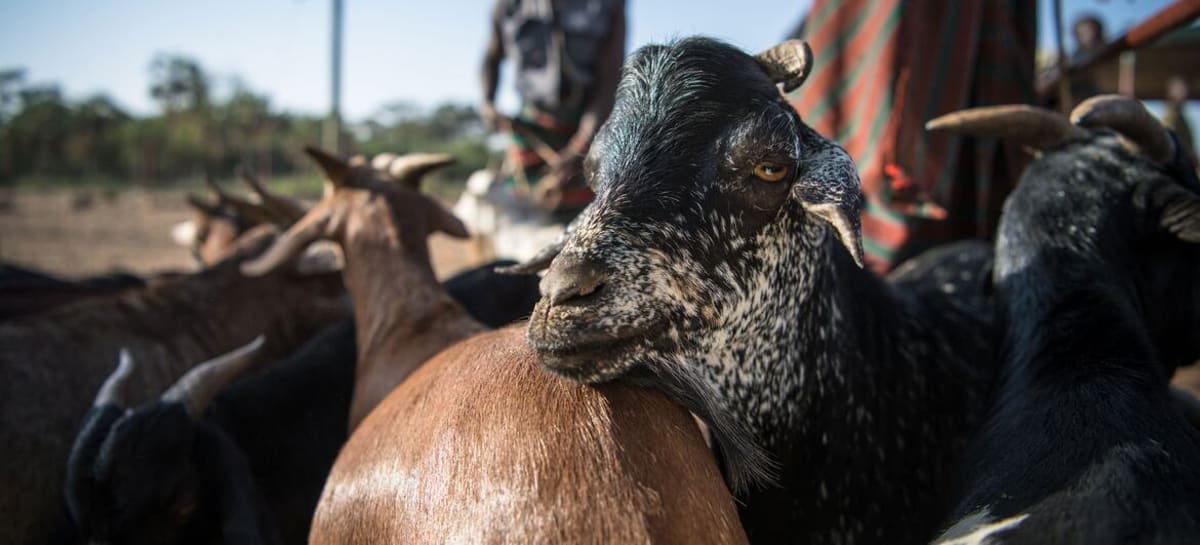
For the herder in northern Kenya still watching the sky for rain, these combined efforts might mean the difference between a herd that survives and one that doesn't.
More Images
Based on reporting by UN News
This story was written by BrightWire based on verified news reports.
Spread the positivity!
Share this good news with someone who needs it