Mississippi Team Counts Connecticut Bears With DNA Magic
Researchers from Mississippi State University are helping Connecticut count its black bear population for the first time in a decade using hair samples and genetic testing. The innovative survey method avoids disturbing wildlife while providing accurate population data.
Scientists are solving a puzzle in Connecticut's woods, and the answer lies in strands of bear hair collected from hundreds of strategic traps across the state.
For the first time in over a decade, Connecticut is getting an accurate count of its black bear population. The state partnered with Mississippi State University's Carnivore and Population Ecology Lab to conduct a comprehensive survey that relies on DNA forensics rather than traditional wildlife tracking.
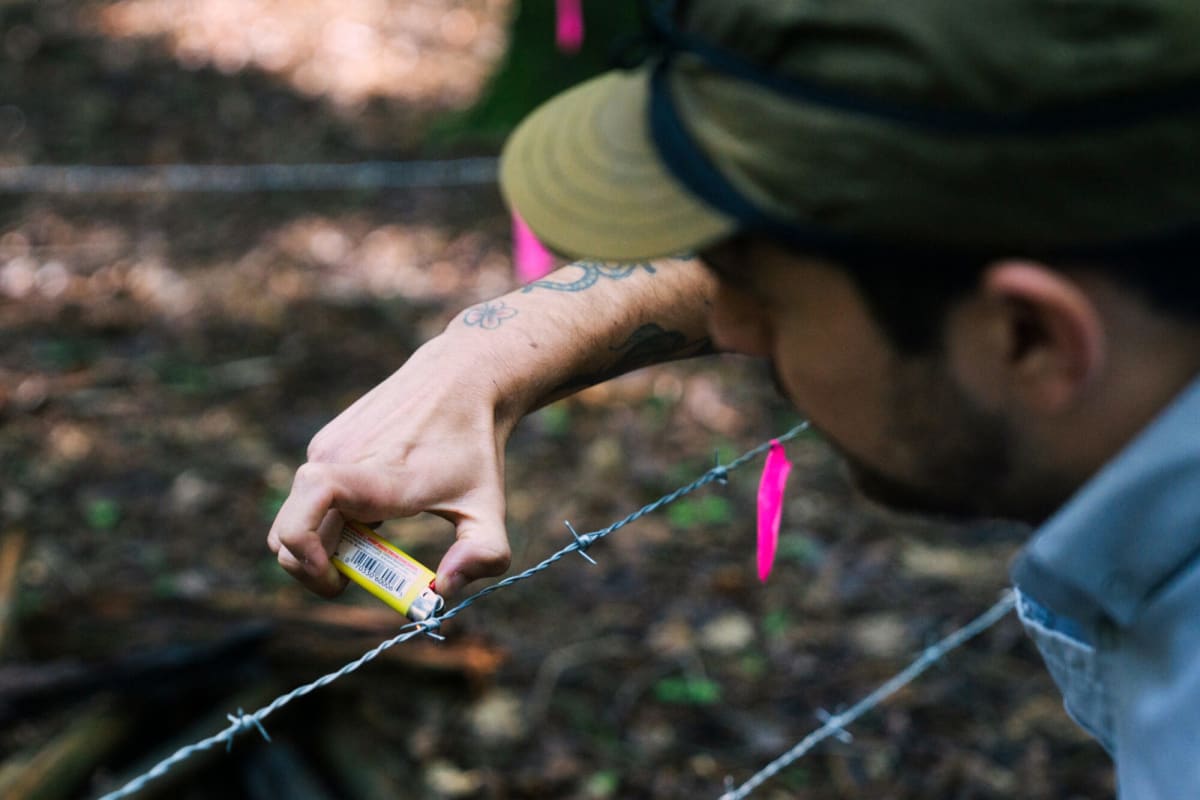
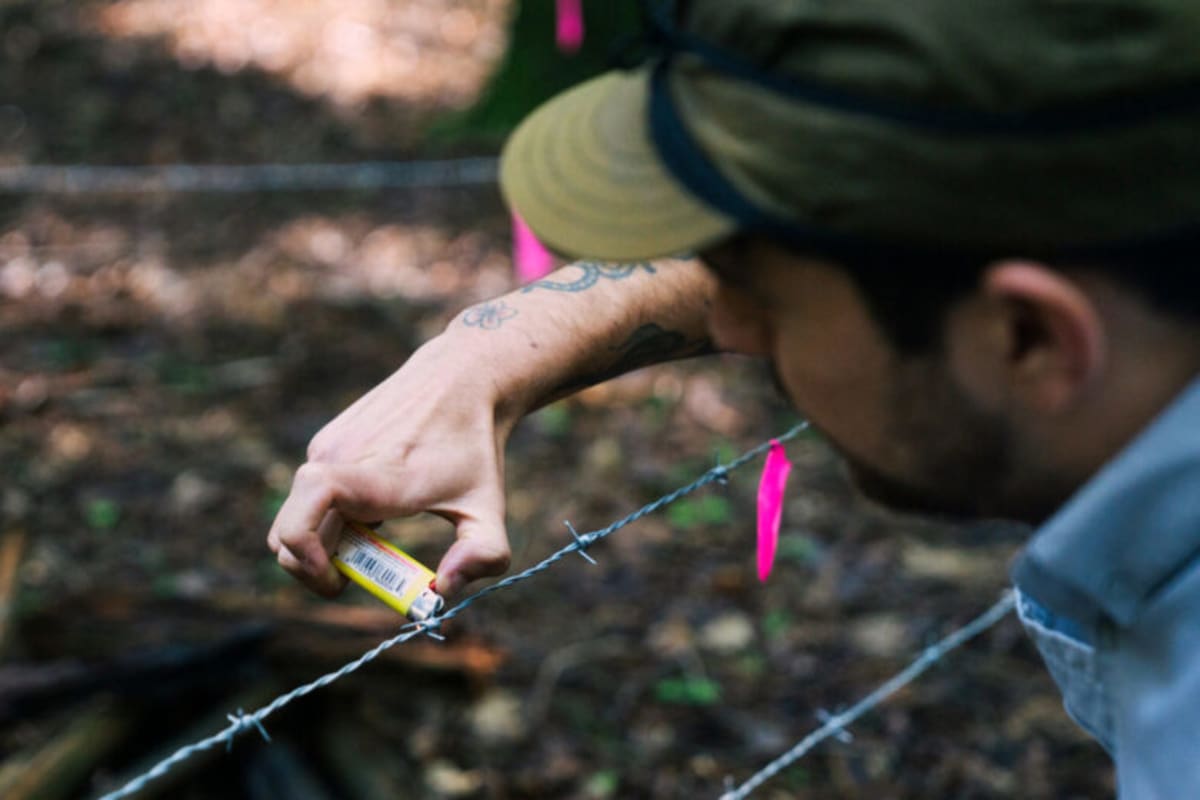
The method is surprisingly simple. Researchers set up 340 collection sites across western Connecticut, each featuring two strands of barbed wire wrapped around trees with a scented lure in the center. When curious bears investigate the smell, they leave behind hair samples that stick to the wire.
The lure recipe is both clever and responsible: used doughnut grease on a pile of sticks, plus a tampon soaked in raspberry extract. Both scents attract bears without providing actual food that could make them seek out humans later.
"If a bear is in the area, it might sniff it due to their curiosity, but they're not going to be coming back because there's no calories to be gained from it," explained Connor Kurz, the project manager.
Every week, the 10-person research team fans out with clipboards, white paper, bear spray, and tick repellent. They pass white paper underneath the barbed wire to spot dark hair samples against the bright background, then bag and document each finding for genetic testing back in Mississippi.
The Bright Side
This DNA detective work reveals more than just how many bears live in Connecticut. The technique, called spatial capture-recapture, calculates not only which individual bears showed up in samples but also estimates how many bears exist in areas where no samples were collected.
"It's basically forensics," said Dana Morin, the lab's principal investigator. "It's the same idea as identifying somebody from saliva or something like that."
As of early August, the team had collected about 850 hair samples. Each one gets genetically tested to identify individual bears, with some showing up at multiple sites across different geographic areas. This pattern helps researchers calculate population density across the entire western half of the state.
The collaboration showcases how expertise travels. Mississippi State's lab has conducted similar surveys for multiple state wildlife agencies, bringing their refined techniques to Connecticut's unique landscape. The researchers bushwhack through swampy terrain and dense undergrowth, carefully selecting sites at least 100 feet from trails to minimize human impact.
The field work wraps up this month, with genetic testing continuing through fall and winter. Connecticut should have its first comprehensive bear population estimate by next spring, giving wildlife managers crucial data for conservation planning.
This peaceful approach to wildlife management protects both bears and people while advancing our understanding of how these magnificent animals share our forests.
More Images



Based on reporting by Google News - Researchers Find
This story was written by BrightWire based on verified news reports.
Spread the positivity!
Share this good news with someone who needs it
%2Fhttps%3A%2F%2Ftf-cmsv2-smithsonianmag-media.s3.amazonaws.com%2Ffiler_public%2F26%2F82%2F2682ce94-b2da-492d-9748-9437278e4b15%2F6-cfebd8e0a5c445cfd906297d782bd874eb69a1f2.jpeg)