Hong Kong's Maturing Forests Welcome New Wildlife
Hong Kong's forests are flourishing after decades of growth, attracting rare birds and newly discovered species from neighboring regions. Conservationists celebrate the biodiversity boom as proof that the city's ecosystems are thriving.
Hong Kong's forests are becoming wildlife magnets, drawing rare birds and supporting newly discovered species after 50 to 100 years of careful growth.
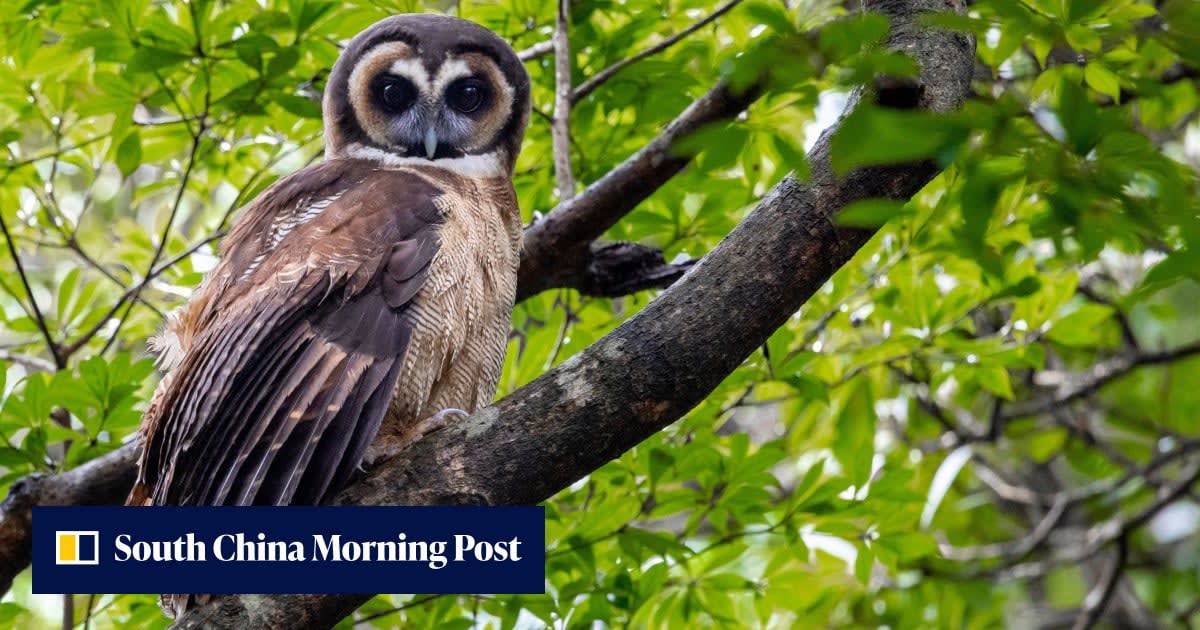
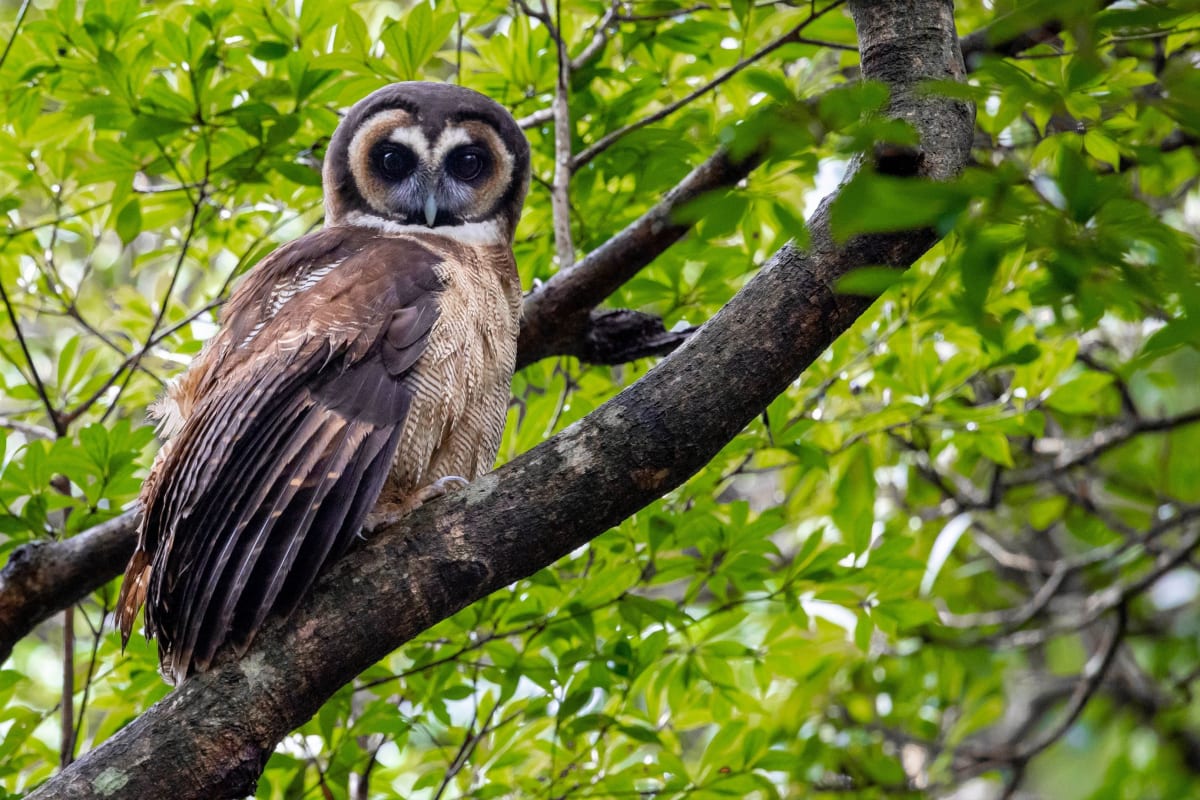
Gary Ades, head of fauna conservation at Kadoorie Farm and Botanic Garden, calls the recent arrivals "positive signs" that Hong Kong's ecosystems are maturing beautifully. Among the newcomers are the brown wood owl from Guangdong province, the colorful Chinese barbet, and the black-chinned yuhina, all finding homes in the city's flourishing forests.
These new residents prove something remarkable: Hong Kong's forests have matured enough to provide everything these species need to thrive. The birds are finding ideal nesting sites and abundant food sources, choosing Hong Kong as their new home over other locations.
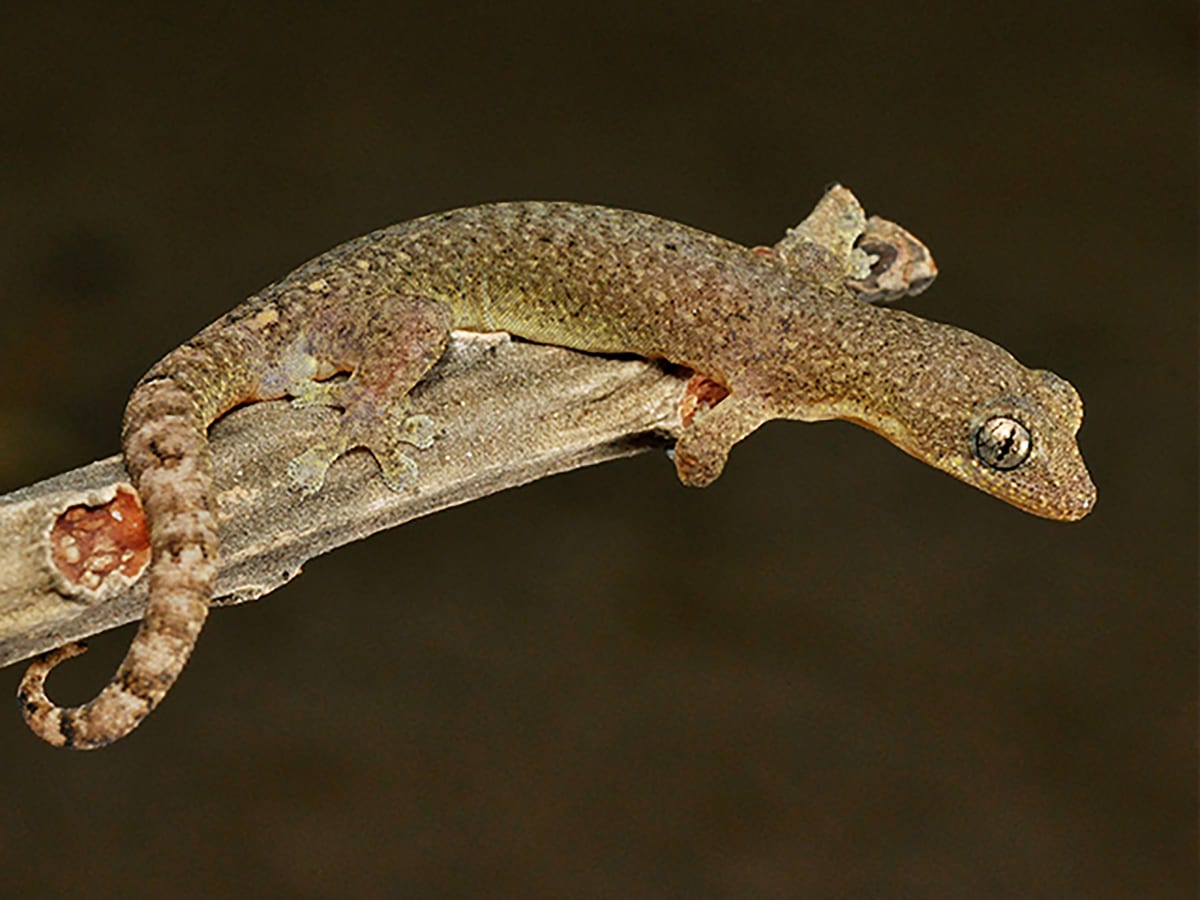
The discoveries extend beyond birds. Researchers continue uncovering new reptile and insect species throughout the region, revealing biodiversity that experts say is "richer than we know." Each finding adds to the understanding of how urban environments can successfully support diverse wildlife when given time and protection.
The timing of these discoveries coincides with National Ecology Day, highlighting how conservation efforts pay off over time. What makes this story particularly encouraging is that it didn't require massive intervention, just patience and allowing natural processes to unfold.
The Bright Side
This wildlife comeback tells a bigger story about urban nature recovery. Cities worldwide struggle to balance development with environmental protection, but Hong Kong's experience shows that forests can regenerate and attract wildlife even in dense metropolitan areas.
The brown wood owl's journey from Guangdong province forests demonstrates how protected green spaces create corridors for wildlife movement between regions. When one area's ecosystem strengthens, neighboring habitats benefit too.
While conservationists push for a formal "red list" to protect vulnerable local species, the current discoveries prove their broader message: investment in natural spaces creates returns that compound over decades. The forests that seemed barren 50 years ago now bustle with life.
Hong Kong's experience offers hope for other cities trying to restore their natural heritage. Give nature time and space, and it responds with abundance that surprises even the experts studying it.
More Images

Based on reporting by South China Morning Post
This story was written by BrightWire based on verified news reports.
Spread the positivity!
Share this good news with someone who needs it
%2Fhttps%3A%2F%2Ftf-cmsv2-smithsonianmag-media.s3.amazonaws.com%2Ffiler_public%2F26%2F82%2F2682ce94-b2da-492d-9748-9437278e4b15%2F6-cfebd8e0a5c445cfd906297d782bd874eb69a1f2.jpeg)