Japan Launches National Bear Survey to Protect Communities
Japan's Environment Ministry is launching its first unified nationwide bear survey to better understand and safely manage human-wildlife interactions. Eight hundred automated cameras will track bear populations across northeastern Japan starting this month.
Japan is taking a smarter approach to keeping both people and bears safe with a groundbreaking wildlife survey launching this month.
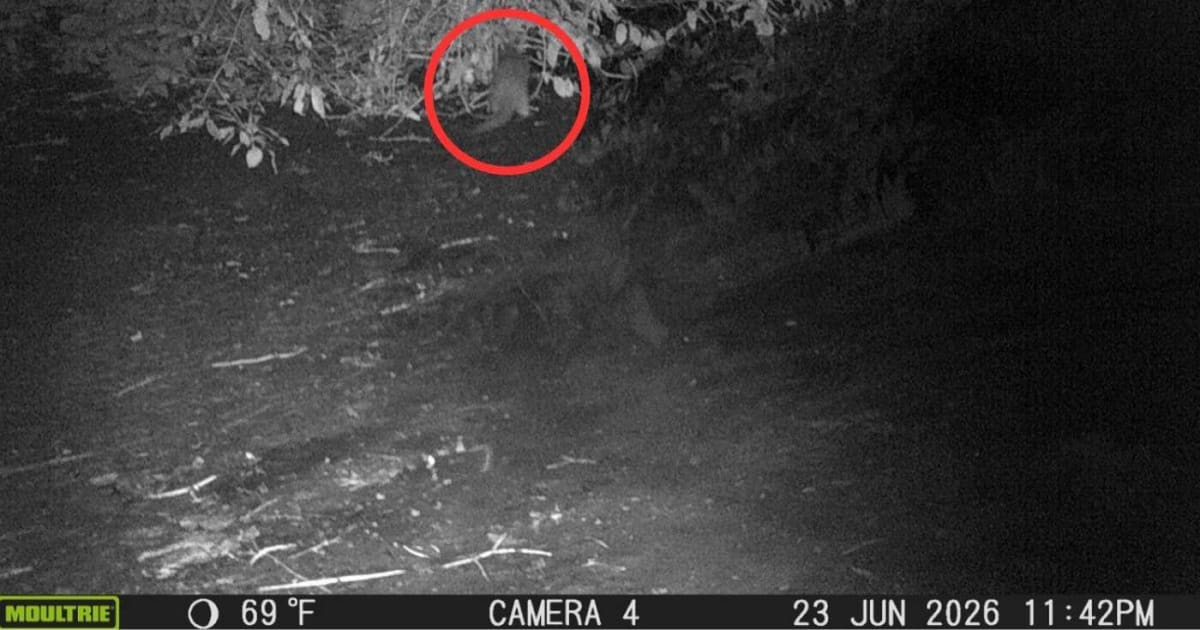
The Environment Ministry announced plans to install 800 automated cameras across northeastern Japan's Tohoku region and northern Niigata Prefecture. The cameras will capture data on bear populations, movement patterns, and behaviors in mountainous areas and managed forests.
This marks the first time Japan has conducted a unified nationwide survey on bear habitats. Previous efforts by local governments used different methods and timelines, making it nearly impossible to compare data or track bears as they moved across prefectural borders.
The new standardized approach will help researchers understand how bears behave across wide areas. Since bears don't respect administrative boundaries, tracking their movements regionally provides a much clearer picture of population trends and habitat needs.
Survey results will be compiled by the end of fiscal year 2026. The government plans to expand the program nationwide over the next three to four years, covering all regions except Shikoku and Kyushu in the west and southwest.
The Ripple Effect
This survey represents a shift toward coexistence rather than conflict. Better data means communities can make informed decisions about land use, waste management, and safety measures that work for both humans and wildlife.
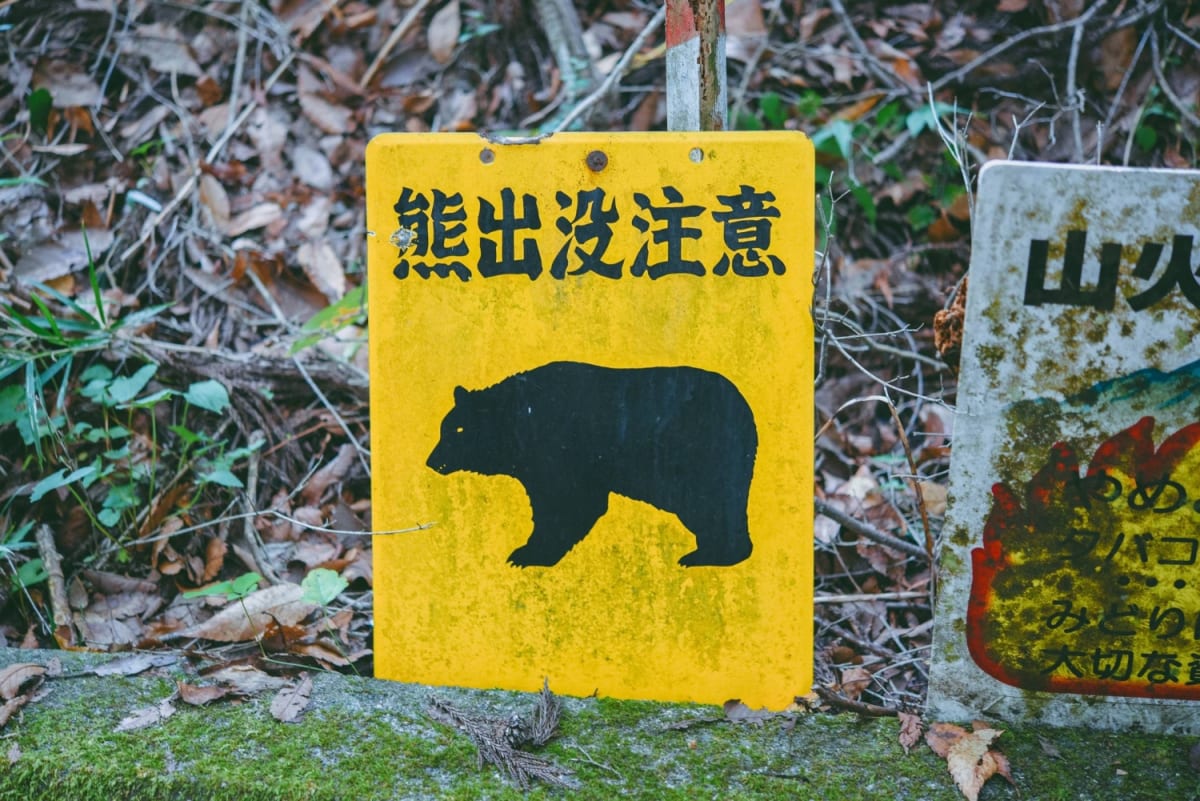
When officials understand where bears live and how they move, they can prevent dangerous encounters before they happen. Farmers can protect crops more effectively. Hikers and residents get better information about wildlife activity in their areas.
The unified approach also means smaller prefectures can benefit from shared research resources and expertise. Communities that rarely saw bears before are now experiencing more frequent visits, likely due to habitat changes and climate shifts. This coordinated data collection helps everyone prepare and adapt together.
Japan's investment in understanding rather than simply reacting to wildlife challenges sets a positive example for human-wildlife coexistence worldwide.
More Images

Based on reporting by Japan Times
This story was written by BrightWire based on verified news reports.
Spread the positivity!
Share this good news with someone who needs it