India's Rare Dancing Bird Gets New Protection in Grasslands
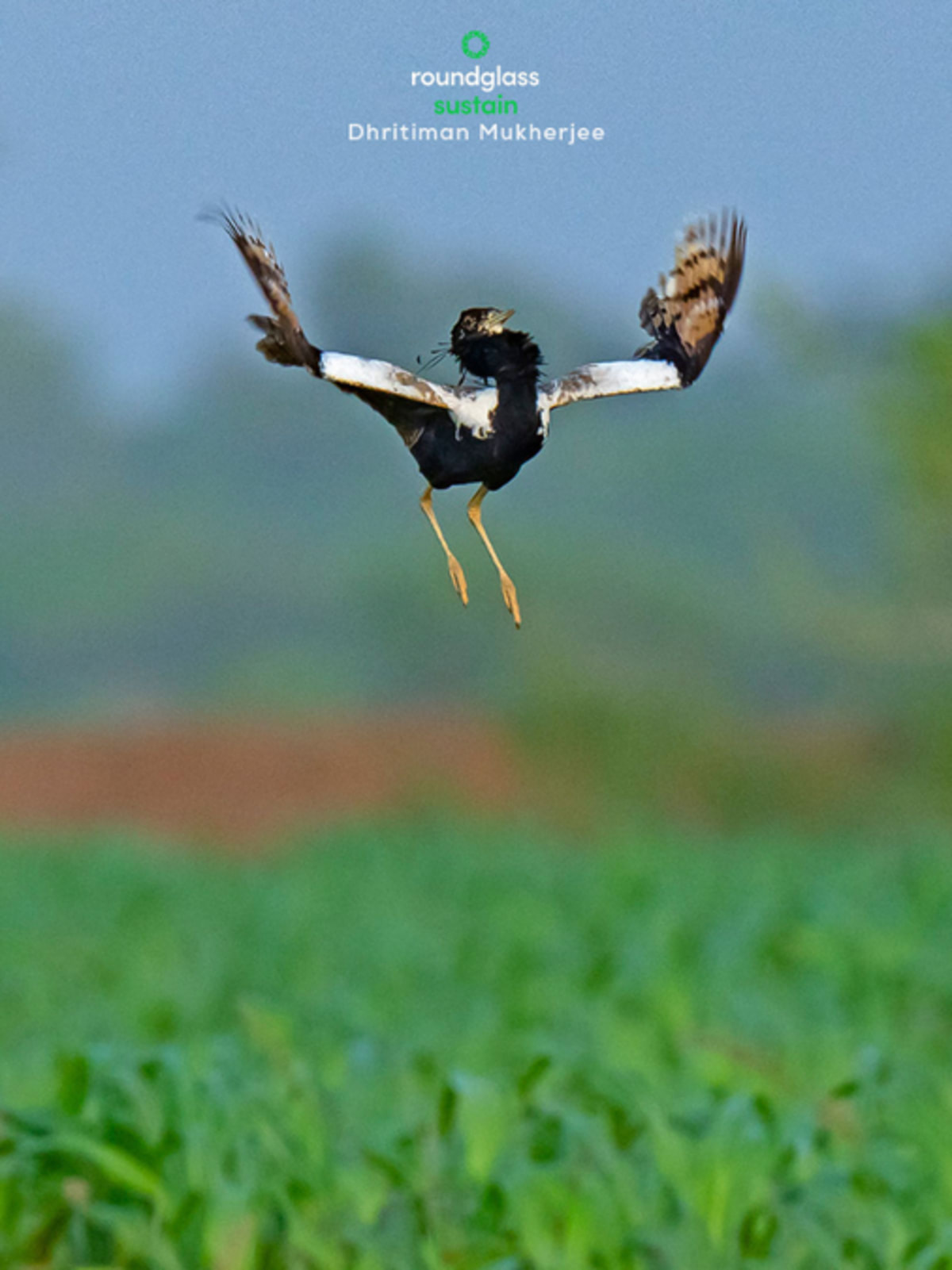
The lesser florican, India's smallest bustard, leaps six feet into the air hundreds of times daily to attract mates. Conservation efforts now protect the rare bird and the grassland communities it shares with farmers.
Every monsoon season in India's western grasslands, male lesser floricans launch themselves two metres into the air in one of nature's most extraordinary mating displays. The world's smallest bustard, this rare bird repeats its breathtaking performance hundreds of times each day, dancing above the grass to win over females and claim territory.
The lesser florican lives only on the Indian subcontinent, making its survival critical to the region's biodiversity. When monsoon rains arrive, males develop striking black and white breeding plumage before beginning their aerial courtship ritual.
These displays happen in what scientists call a dispersed lek, where males stake out small territories across open grasslands. Important breeding grounds include Shokhaliya in Ajmer and parts of Rajasthan, Madhya Pradesh and Gujarat.
What makes this bird special is how it thrives alongside people. Lesser floricans breed in shared landscapes of village pastures, croplands and native grasslands, using both cultivated fields and wild grasses for their life cycle.
Female floricans nest on the ground, creating simple scrapes hidden in tall grass where they lay three to four eggs. They raise chicks entirely on their own while males continue displaying nearby.
For generations, this spectacular mating dance nearly caused the bird's demise. Hunters easily spotted males as they leaped repeatedly above the grass, making them vulnerable targets during breeding season.
Researchers tracking the birds with satellite tags discovered they travel much farther than expected. One male journeyed 94 kilometres from its Rajasthan breeding site, revealing migration patterns scientists are still working to understand.
The Ripple Effect
Conservation efforts in places like Shokhaliya now focus on protecting both the birds and the farming communities who share the land. Programs work with local farmers to retain grass patches during breeding season, creating safe spaces for displaying males and nesting females.
Protecting lesser floricans means protecting entire grassland ecosystems that support insects, reptiles, small mammals and other grassland birds. These shared landscapes prove that wildlife conservation and human livelihoods can flourish together.
The infrastructure development and grazing pressure that threaten grasslands across western India make every protected patch more valuable. Even small conservation actions ripple outward to benefit dozens of species that depend on open landscapes.
Today's protection efforts represent a hopeful shift from the hunting era, showing how understanding a species can transform it from target to treasure. Working with communities who live alongside these birds creates lasting conservation that benefits both people and wildlife.
The lesser florican's monsoon dance continues across India's grasslands, now watched by conservationists and farmers committed to keeping these spectacular displays alive for generations to come.
Based on reporting by The Better India
This story was written by BrightWire based on verified news reports.
Spread the positivity!
Share this good news with someone who needs it