British Cheese Study Reveals Gut-Healthy Bacteria Inside
Scientists studying artisan British cheeses discovered they're packed with beneficial bacteria that may support digestive health while aging creates richer flavors. The microscopic helpers could turn your cheese board into a probiotic powerhouse.
Every bite of artisan cheese contains an invisible army of bacteria working to create flavor, texture, and possibly support your gut health.
Scientists at the University of Reading tracked the microbial communities inside three traditional British cheeses as they aged, revealing how tiny organisms transform milk into something extraordinary. The team studied cheeses from Nettlebed Creamery in Oxfordshire, watching bacteria populations shift and grow from fresh curds to mature wheels.
Each cheese they examined contained bacteria with recognized probiotic potential. Streptococcus thermophilus, the same helpful microbe used in yogurt, remained present throughout the aging process. All three varieties contained Lactococcus lactis, another beneficial bacterium that supports gut health.
The washed-rind and hay-aged cheeses offered an additional benefit. They contained Propionibacterium freudenreichii, which produces propionic acid, a compound linked to reduced inflammation and better cholesterol management.
Lead researcher Sabrina Longley, who is both a PhD student and a working cheesemaker, explained why these findings matter. The proteins and fats in cheese may protect beneficial bacteria as they travel through your digestive system, making cheese an excellent vehicle for delivering probiotics to your gut.
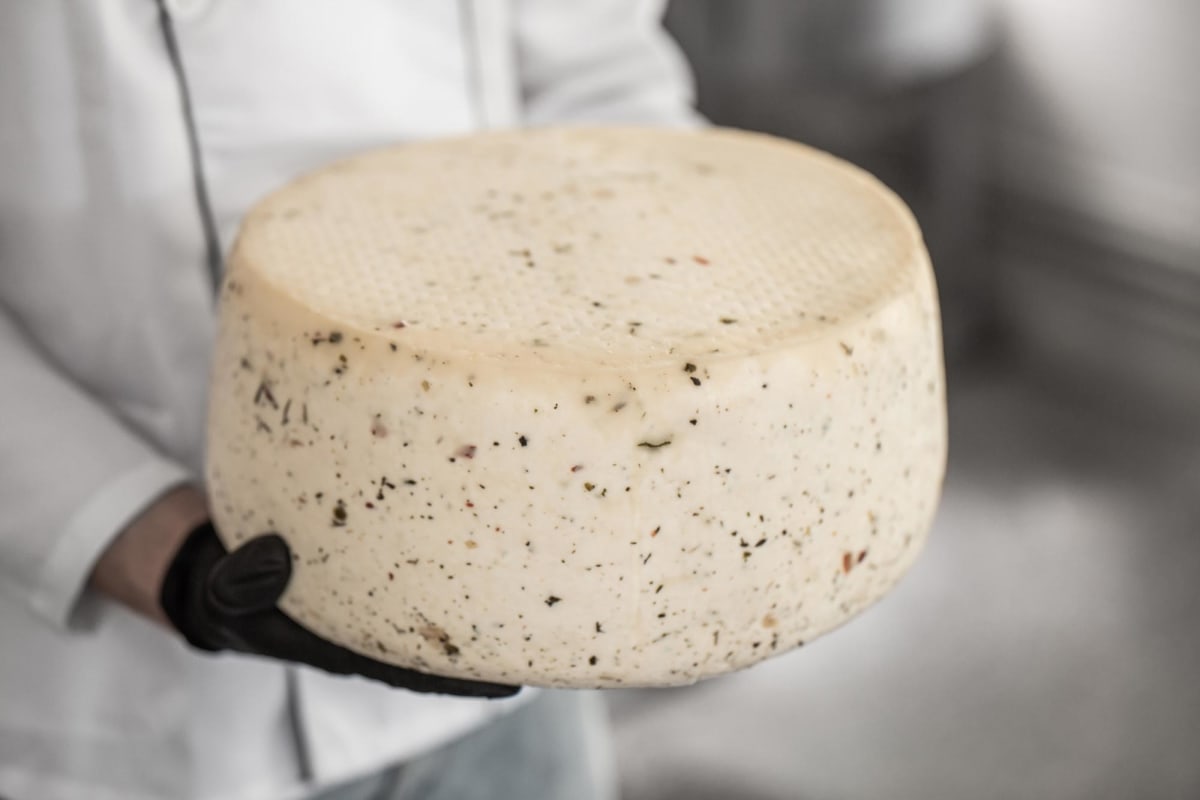
The study examined three varieties: a soft white-rind cheese aged just over a week, a washed-rind semi-soft cheese matured for several weeks, and a semi-hard cheese aged in hay for nine months. The hay-aged variety showed the most dramatic microbial diversity, containing nearly four times as many bacterial species at maturity compared to earlier stages.
Cheese lovers who enjoy eating the rind received good news too. The white mold Penicillium candidum that forms the rind produces chitin, a dietary fiber that acts as a prebiotic, feeding beneficial gut bacteria.
The Bright Side
For people who struggle with lactose, the aging process offers natural relief. Lactic acid bacteria broke down nearly all the lactose in milk during fermentation, making mature artisan cheeses much easier to digest than fresh dairy.
Traditional cheesemaking methods appear to create more than delicious food. They cultivate living communities of microorganisms that may support human health in ways we're only beginning to understand.
The research team notes that more studies are needed to confirm exactly how these bacteria behave once eaten and their broader effects on the body. But the initial findings suggest that artisan cheese makers have been creating functional foods for centuries without realizing it.
Next time you enjoy a wedge of aged cheese, remember you're tasting the work of countless microorganisms. Their patient transformation of milk into something complex and flavorful might also be supporting the beneficial bacteria already living in your gut.
More Images
Based on reporting by Google News - Scientists Discover
This story was written by BrightWire based on verified news reports.
Spread the positivity!
Share this good news with someone who needs it