Doctor's 4 Tips Fight Age-Related Muscle Loss
A physician shares simple, science-backed strategies to help aging adults maintain muscle mass and strength. The advice goes beyond just exercise, offering a complete approach to staying strong at any age.
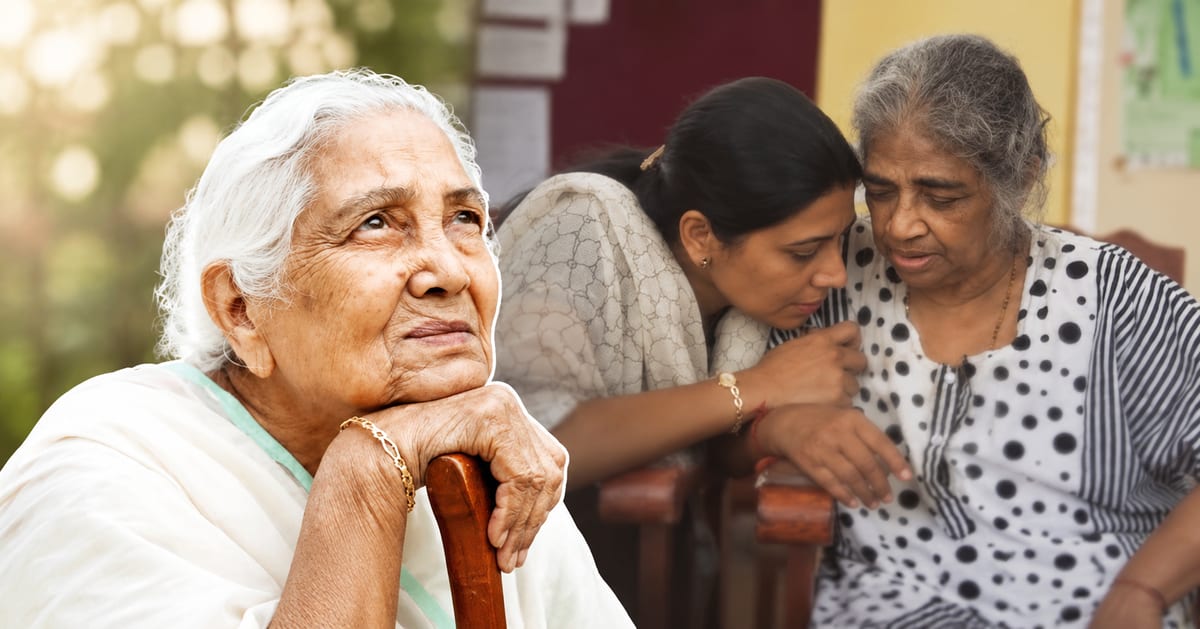
When a patient in her 60s told Dr. Jordan Metzl she was losing muscle despite strength training twice weekly, she wasn't panicking. She simply wanted to know what she could do about it.
That calm curiosity reflects a growing awareness that age-related muscle loss doesn't have to be inevitable. More adults are taking charge of their health and asking the right questions about staying strong.
Dr. Metzl, a sports medicine physician, sees this concern frequently in his practice. Muscle loss typically begins around age 30 and accelerates after 60, affecting balance, independence, and overall health. But the good news is that simple lifestyle changes can make a real difference.
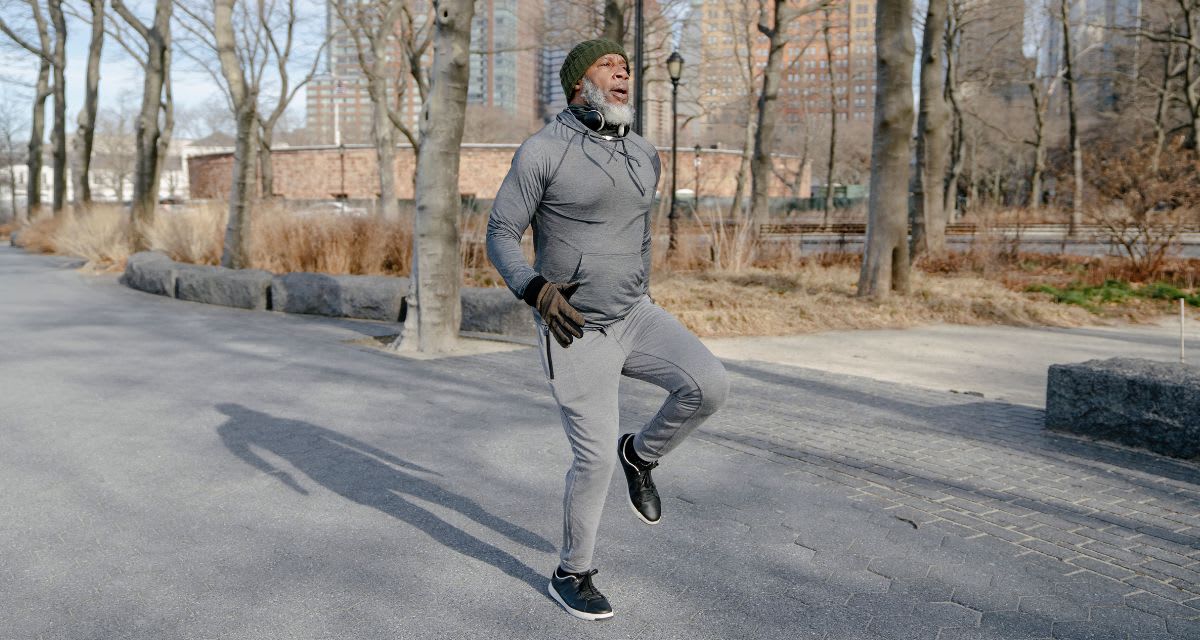
The doctor emphasizes that twice-weekly strength training, while beneficial, often isn't enough on its own. Older adults need a combination approach that addresses both exercise frequency and nutrition. Adding a third strength session each week can significantly slow muscle decline.
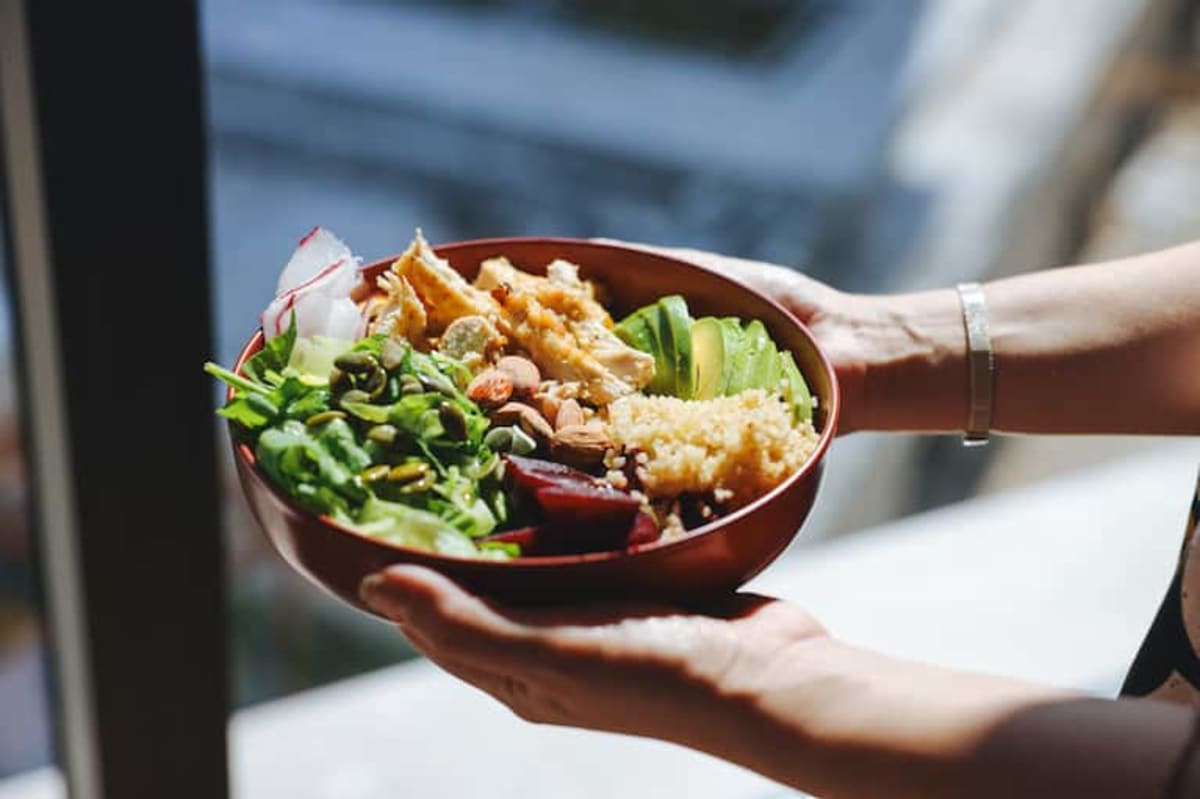
Protein intake becomes increasingly critical as we age. Many older adults don't consume enough protein to support muscle maintenance, even when they exercise regularly. Dr. Metzl recommends spreading protein throughout the day rather than loading up at dinner.
Resistance exercises don't require expensive gym memberships or complicated equipment. Bodyweight exercises, resistance bands, and household items can provide effective strength training. The key is consistency and gradually increasing resistance over time.
Recovery matters too. Adequate sleep and proper hydration support muscle repair and growth at every age. These foundational habits work together with exercise and nutrition to preserve strength and function.
Why This Inspires
Dr. Metzl's patient asked her question without alarm because she knew muscle loss wasn't a sentence but a challenge she could meet. That mindset shift from resignation to empowerment is happening in doctor's offices and gyms nationwide.
More people are rejecting the outdated belief that getting weaker is just part of getting older. They're discovering that small, consistent actions add up to meaningful results. One extra strength session, one protein-rich snack, one good night's sleep at a time, they're rewriting what aging looks like.
With the right information and support, adults in their 60s, 70s, and beyond are staying active, independent, and strong enough to enjoy life fully.
More Images


Based on reporting by Google News - Health
This story was written by BrightWire based on verified news reports.
Spread the positivity!
Share this good news with someone who needs it