Scientists Cut French Fry Oil by 90% with Microwave Method
University of Illinois researchers combined microwave and conventional frying to create healthier French fries that absorb far less oil while keeping their signature crunch. The breakthrough could transform how we enjoy fried foods without sacrificing flavor.
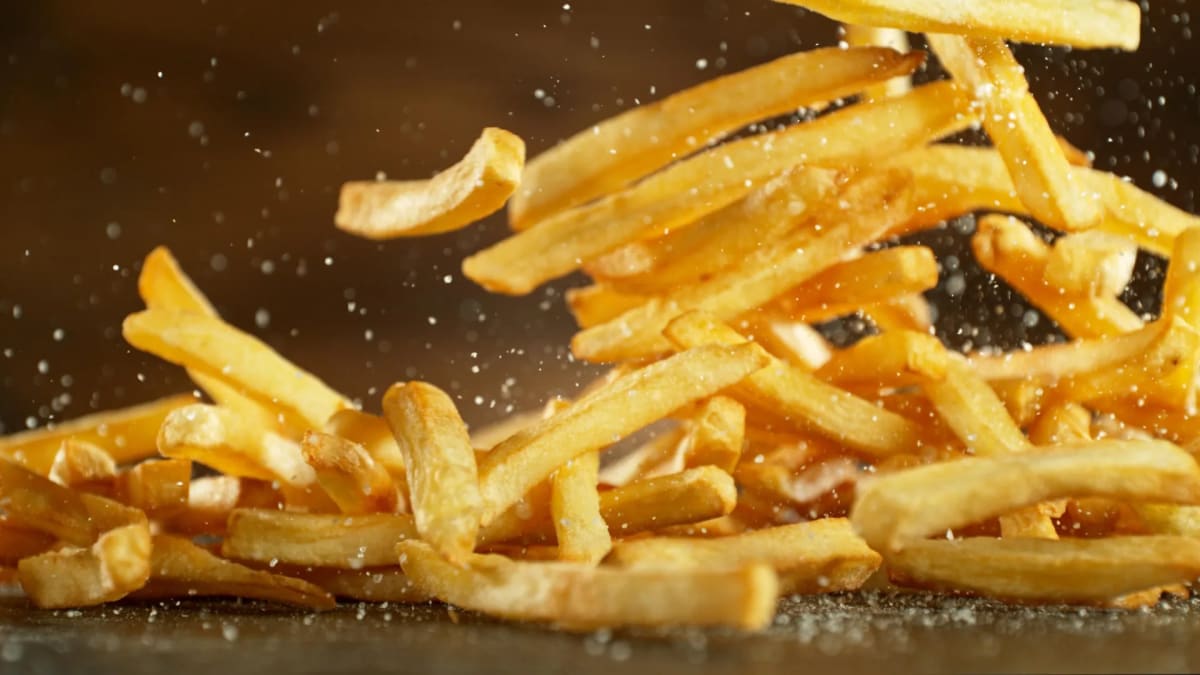
French fries could soon become a guilt-free indulgence thanks to a cooking breakthrough that slashes oil absorption without losing that satisfying crunch we all crave.
Researchers at the University of Illinois Urbana-Champaign discovered that adding microwave energy to traditional frying dramatically reduces how much oil gets soaked into your fries. The technique cuts cooking time and oil content while maintaining the crispy texture that makes French fries irresistible.
"Consumers want healthy foods, but at the time of purchase, their cravings often take over," says Pawan Singh Takhar, a food engineering professor leading the study. His team wanted to find a way to deliver the taste people love without the excess calories and fat.
The secret lies in understanding what happens inside a potato during frying. When a potato strip hits hot oil, water inside turns to vapor and escapes, leaving tiny empty spaces behind. Those spaces act like microscopic straws, creating suction that pulls oil into the fry.
Traditional frying happens mostly under this negative pressure condition, which means oil keeps getting pulled in throughout cooking. That's why restaurant fries can absorb so much fat.
Microwave energy changes everything by heating the potato from the inside out. As microwaves penetrate the food, they make water molecules vibrate rapidly, creating extra steam that builds positive pressure. Think of it like blowing through a straw instead of sucking, keeping the oil out rather than pulling it in.
The team tested their method using a specialized fryer that combines microwave frequencies with conventional hot oil. They measured temperature, pressure, texture, moisture, and oil content at every stage to understand exactly how the process worked.
Why This Inspires
This isn't just about making slightly healthier fries. It represents a fundamental shift in how we might approach cooking methods for all fried foods. If scientists can maintain the qualities people love while dramatically reducing unhealthy elements, it opens doors to enjoying comfort foods without the health trade-offs that contribute to obesity and heart disease.
The research shows that as much as 90% of oil absorption happens during negative pressure phases of frying. By keeping pressure positive longer through microwave heating, the team found they could significantly limit that uptake while actually reducing cooking time.
The hybrid approach proved essential because microwave frying alone didn't create the right texture. Combining both methods delivered the best of both worlds: less oil, faster cooking, and the satisfying crunch that makes fries so popular.
The findings could eventually change how restaurants and food manufacturers prepare not just French fries, but potentially all fried foods. Imagine enjoying crispy chicken, donuts, or onion rings with a fraction of the oil they contain today.
Your favorite guilty pleasure might soon become something you can feel good about ordering.
Based on reporting by Health Daily
This story was written by BrightWire based on verified news reports.
Spread the positivity!
Share this good news with someone who needs it