Scientists Map Brain Cells That Build Human Speech
Researchers recorded individual brain cells during natural conversation and discovered specialized neurons that act as building blocks for language. The breakthrough could help restore speech for people with communication disorders.
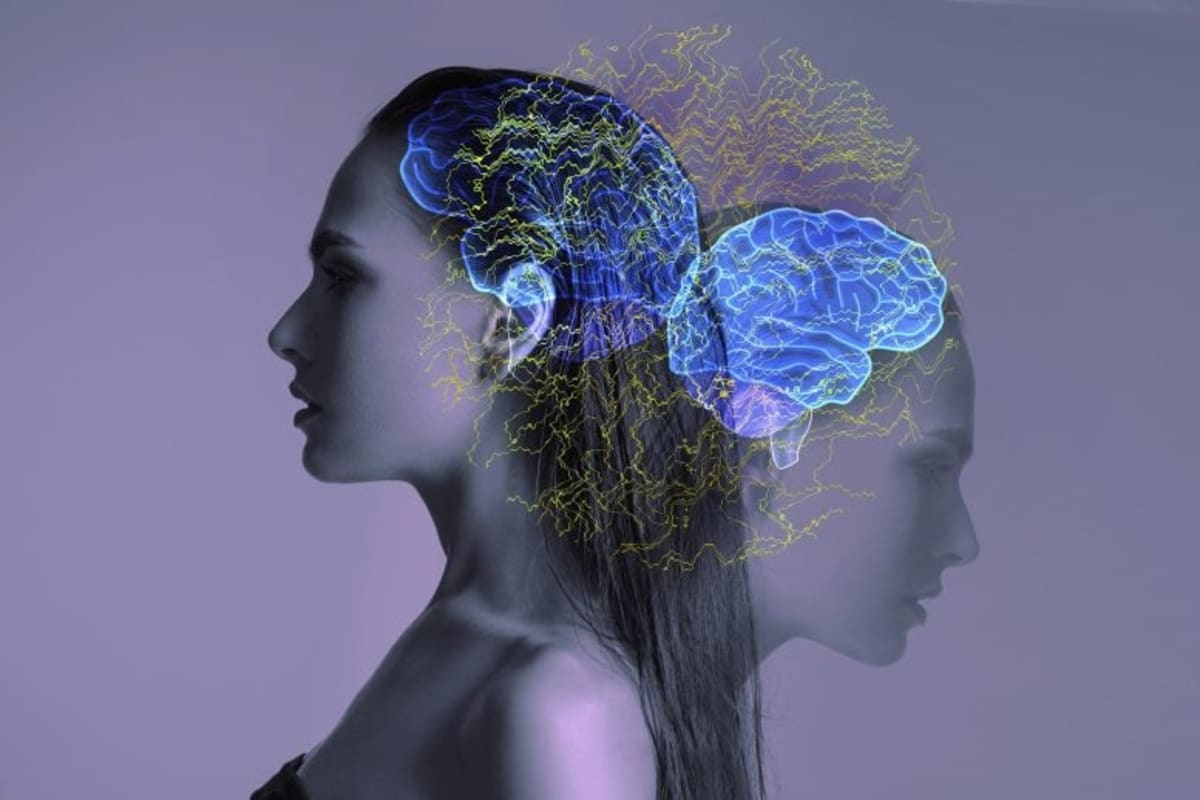
Scientists have mapped how individual brain cells work together to create human speech, revealing a remarkably organized system that could one day help people who've lost the ability to communicate.
Researchers at the Chinese Institute for Brain Research recorded electrical signals from 579 individual neurons in eight people's brains while they had natural conversations. The participants, who already had monitoring devices implanted as part of epilepsy treatment, spoke freely about their feelings, health, and opinions while scientists tracked their brain activity.
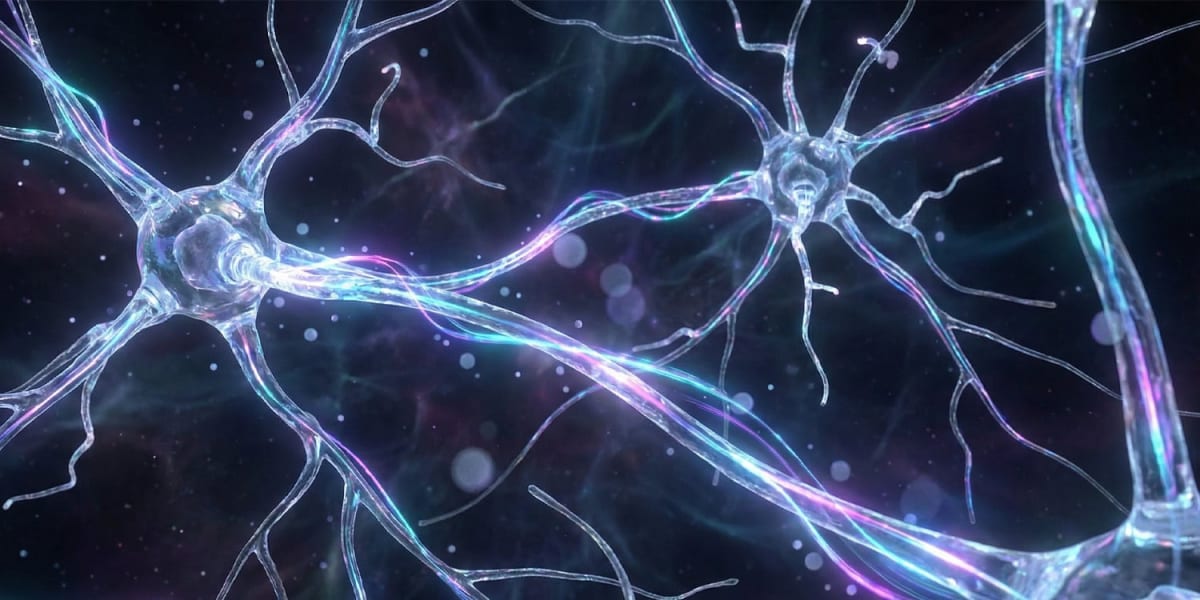
What the team discovered was stunning: brain cells act like specialized workers on an assembly line. About nine percent of recorded neurons fired specifically before certain parts of speech, like nouns or verbs. Another sixteen percent tracked how complex a sentence structure was becoming, while ten percent monitored grammatical relationships between words.
"We were surprised by how much information individual neurons carried," said study author Jing Cai. "Some neurons encoded detailed grammatical relationships, while others tracked higher-order sentence structure or meaning."
The research team used artificial intelligence language models to analyze 10,460 words across nearly 2,000 unique sentences. They matched speech patterns to the precise moment neurons fired, creating a cellular map of language production.
Perhaps most fascinating: brain cells separate meaning from grammar. Most language neurons specialized in either structural rules or word definitions, but rarely both. Only two percent handled grammar and meaning simultaneously.
The Ripple Effect
This discovery goes far beyond basic science. Understanding how individual brain cells construct language could revolutionize treatment for people who've lost speech abilities due to stroke, injury, or neurological conditions.
The research also revealed surprising parallels between how human brains and large language models process information. Both systems use flexible, combinatorial approaches to handle grammar and meaning, suggesting that artificial intelligence researchers may have accidentally mimicked nature's blueprint.
Scientists have known for decades that certain brain regions handle language, but imaging technology only showed general areas of activity. This study dove deeper, revealing the microscopic cellular choreography that makes human communication possible.
The findings represent years of careful work synchronizing audio recordings with neural activity patterns. The research required both cutting-edge recording technology and advanced computational analysis to decode what individual cells were doing during spontaneous conversation.
Cai emphasized that language remains one of humanity's most remarkable abilities. "It is hierarchical, highly compositional, and allows us to communicate with each other easily," he explained.
The detailed cellular map could eventually guide development of brain-computer interfaces that translate neural signals into speech for people who can't physically talk. Future technologies might read these specific neuron patterns and generate words, restoring conversation to those who've lost their voice.
Based on reporting by Google News - AI Breakthrough
This story was written by BrightWire based on verified news reports.
Spread the positivity!
Share this good news with someone who needs it