Lung Transplants Give Stage 4 Cancer Patients New Hope
Northwestern Medicine doctors are saving lives by offering lung transplants to stage 4 cancer patients whose disease hasn't spread beyond their lungs. All 17 transplant patients survived their first year, compared to grim outcomes for those on standard treatment alone.
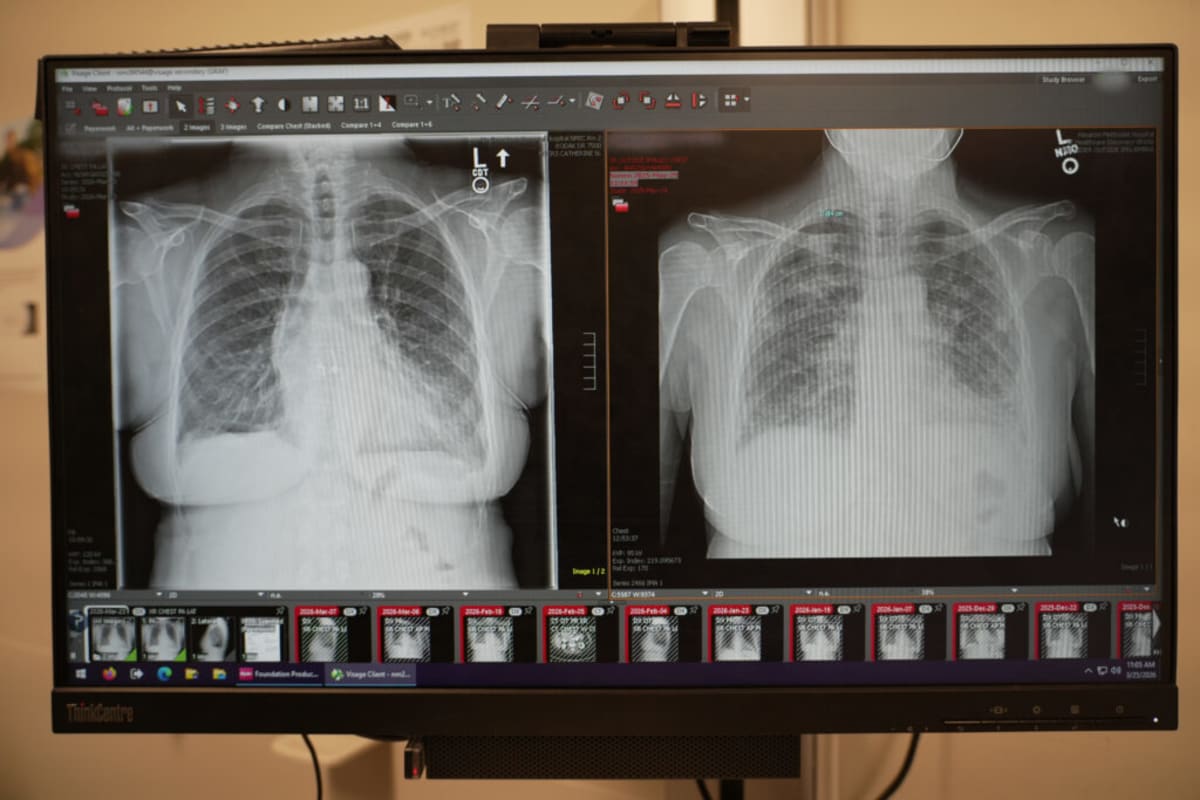
Jodi Graf thought she'd run out of options when doctors told her the cancer in her lungs was too advanced for surgery and her breathing too weak for chemotherapy.
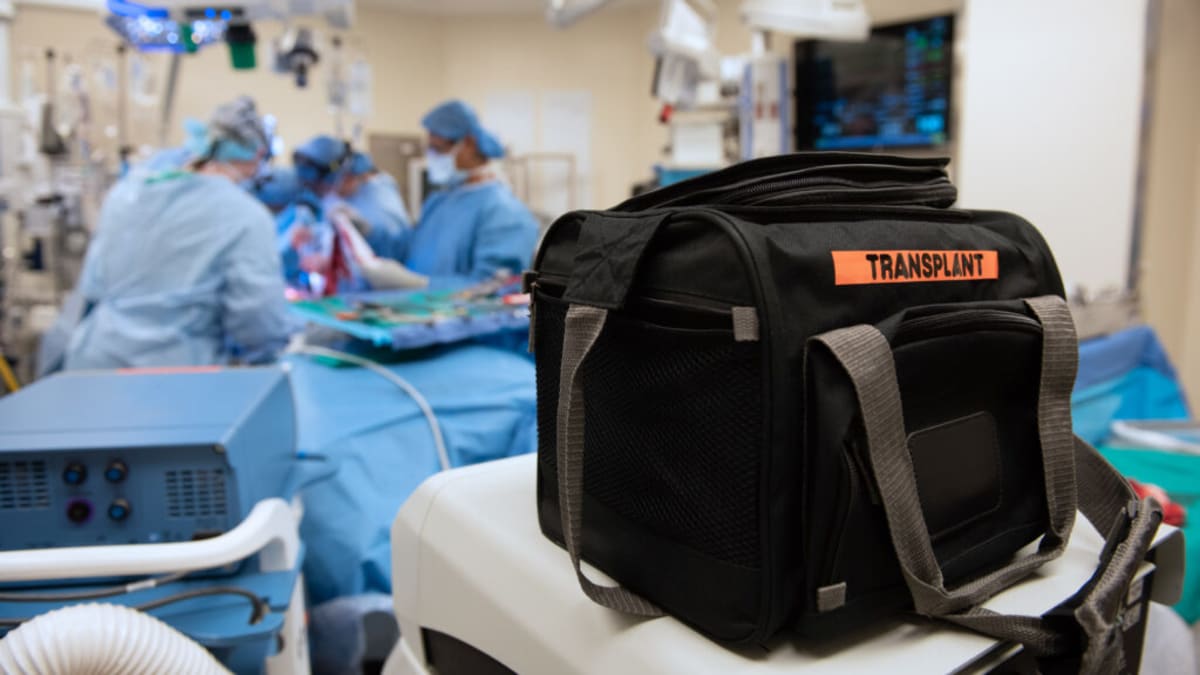
But a groundbreaking program at Northwestern Medicine gave this 61-year-old NASA engineer something she never expected: a chance at real survival through a double lung transplant.
For decades, patients with stage 4 lung cancer were never considered for transplants because their survival rates were too low and cancer recurrence rates too high. Doctors at Northwestern Medicine decided to challenge that assumption with a carefully designed approach inspired by their success transplanting lungs in Covid patients.
The results, published this week in JAMA, are stunning. All 17 patients who received lung transplants for advanced but contained cancer survived their first year. Among 81 similar patients who continued with standard chemotherapy, immunotherapy, or radiation, 74 saw their cancers progress.
Dr. Ankit Bharat, chief of thoracic surgery at Northwestern, explains the key was meticulous patient selection. His team only accepted patients whose cancer remained completely within the lungs, and who had already completed available chemo and immunotherapy treatments.
Graf's journey to transplant began with decades of lung disease misdiagnoses before doctors finally discovered both a rare autoimmune condition and cancer in 2020. She was already too sick for traditional cancer treatments but found hope when she learned about Northwestern's experimental program.
Why This Inspires
This breakthrough shows that yesterday's impossible cases can become tomorrow's success stories when medical teams think creatively. About 300 Americans each year have stage 4 non-small cell lung cancer that hasn't spread beyond their lungs, and now they have a fighting chance.
The ethical questions about organ allocation are real and important. Each donated lung given to a cancer patient is one unavailable to someone else. But Bharat argues the data speaks for itself: these carefully selected cancer patients are doing just as well as transplant recipients without cancer.
By January 2026, among those 17 pioneering patients, only four experienced cancer recurrence and just two deaths occurred from unrelated causes. That's a dramatic difference from the near-certain progression patients face with standard treatment alone.
Graf, who spent years unable to visit her beloved national parks without heavy oxygen support, now has lungs that work. She represents not just one life saved, but proof that rethinking the rules can open doors for hundreds more.
Larger studies are needed before this becomes standard practice nationwide, but the early evidence points toward a genuine breakthrough for patients who previously had nowhere left to turn.
More Images


Based on reporting by STAT News
This story was written by BrightWire based on verified news reports.
Spread the positivity!
Share this good news with someone who needs it