Georgia Loggerhead Turtles Hit 37-Year Nesting Record
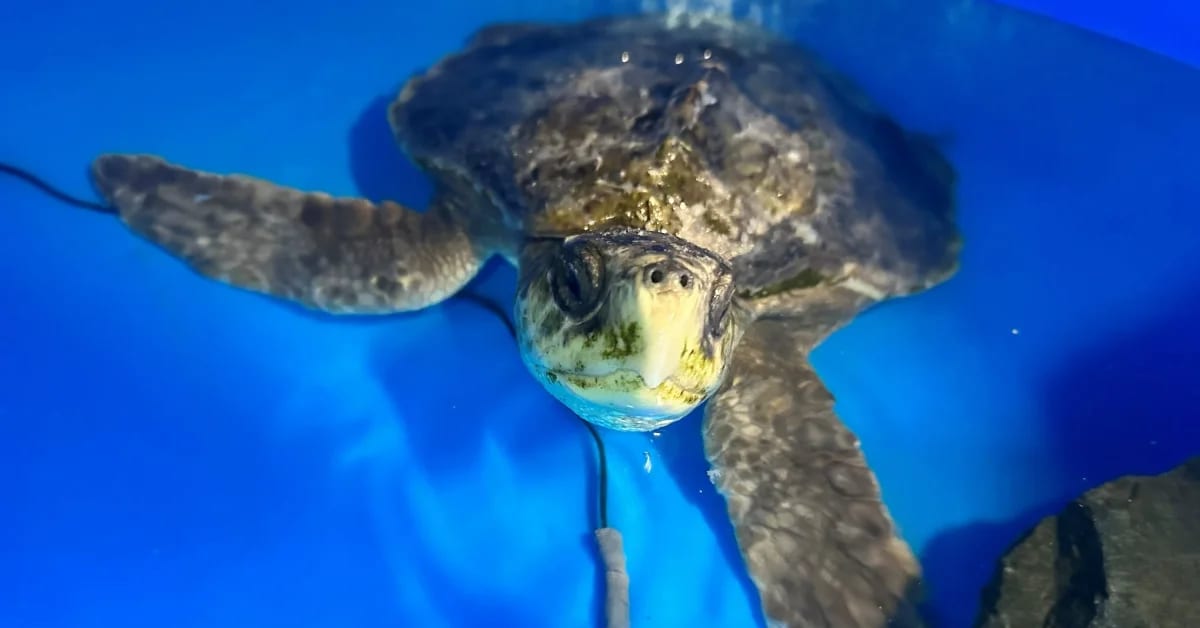
Loggerhead sea turtles just set a 37-year nesting record on Georgia's beaches with over 4,110 nests counted this summer. It's proof that decades of protection efforts are bringing these gentle giants back from the brink.
After nearly four decades of patient protection, loggerhead sea turtles are making their strongest comeback yet on Georgia's Atlantic coast.
The state's barrier island beaches just recorded their highest nest count since tracking began in 1989. More than 4,110 nests appeared this summer, topping the previous record of 4,071 set just two years ago in 2022.
The numbers tell a remarkable recovery story. Back in 2004, volunteers counted only 358 nests statewide. That means Georgia's loggerhead population has grown more than tenfold in just two decades.
These 300-pound reptiles don't make things easy for themselves when it comes to recovery. Female loggerheads don't start reproducing until they're 30 to 35 years old, which means restoration efforts require decades of sustained commitment.
"Loggerheads are a long-lived species and don't reproduce until they're 30-35 years old," explained Mark Dodd, senior wildlife biologist with Georgia's Department of Natural Resources. The slow development means every protected nest counts toward a future generation.
The turnaround started with dedicated volunteers from the Georgia Sea Turtle Cooperative. Every dawn during nesting season, team members patrol beaches from May through mid-August, marking and protecting new nests before human activity can disturb them.
Technology helped too. Since 1990, shrimp boats have used "turtle excluder" devices in their nets, dramatically reducing accidental turtle captures that once devastated populations.
The Ripple Effect spreads far beyond Georgia's shores. Loggerhead recovery mirrors similar success stories happening worldwide as beach protections strengthen. These ancient mariners spend nearly their entire lives at sea, crossing ocean basins and connecting distant ecosystems.
When adult females lumber ashore at night to dig holes and lay about 100 ping-pong ball sized eggs, they're continuing a ritual that predates human civilization. Each protected nest means roughly 100 potential hatchlings that will spend decades in the ocean before returning to these same beaches.
Wildlife officials say the population will likely plateau in coming years before climbing again if current protections hold. If trends continue, Georgia could see nesting numbers not witnessed since the 1950s, before coastal development and fishing practices pushed these creatures toward the endangered species list in 1978.
The annual growth rate of 4% since the early 1990s proves that conservation works when communities commit for the long haul.
More Images


Based on reporting by Good News Network
This story was written by BrightWire based on verified news reports.
Spread the positivity!
Share this good news with someone who needs it