Georgia's Okefenokee Swamp Joins UNESCO World Heritage List
Georgia's massive Okefenokee Swamp just earned UNESCO World Heritage status, joining iconic sites like the Grand Canyon and Yellowstone. The 403,000-acre wetland is now recognized as one of Earth's most important natural treasures.
Georgia's Okefenokee Swamp just joined the most exclusive club in conservation, earning UNESCO World Heritage status alongside American legends like the Grand Canyon, Yellowstone, and the Everglades.
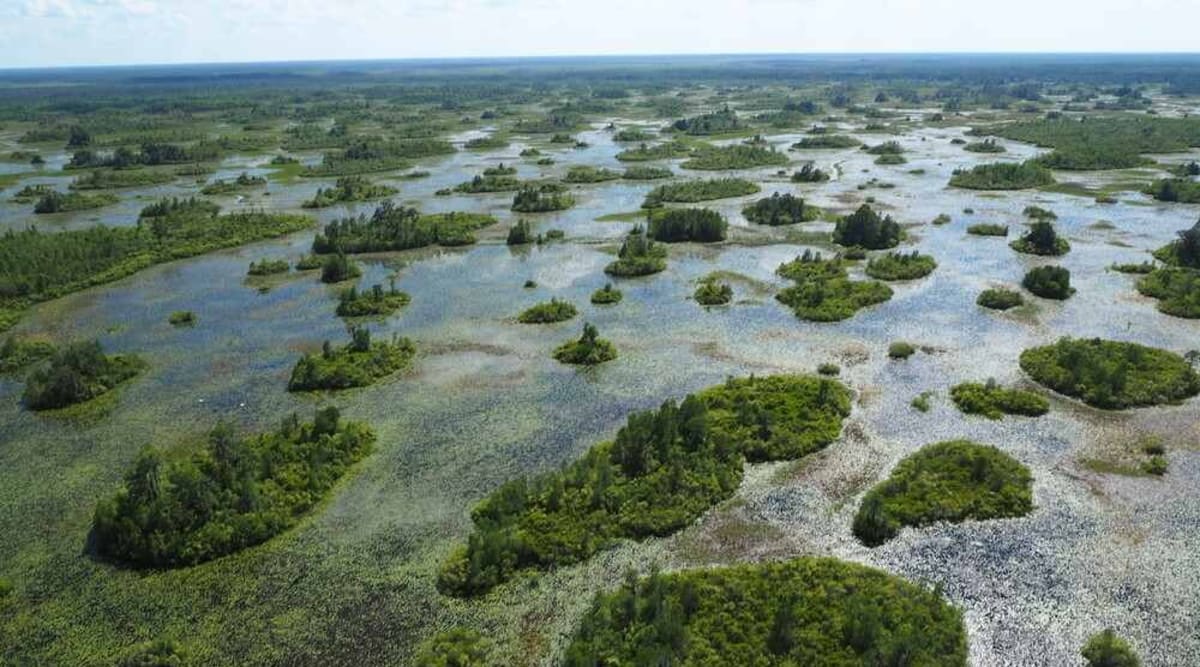
The 403,000-acre swamp is the most visited national wildlife refuge east of the Mississippi River. Now it's also Georgia's first UNESCO World Heritage Site, a recognition reserved for places of "outstanding universal value" to humanity.
What makes this swamp so special? It's the largest lowland freshwater peatland in the entire subtropical zone worldwide. The wetland sits within the North American Coastal Plain, one of the planet's global biodiversity hotspots.
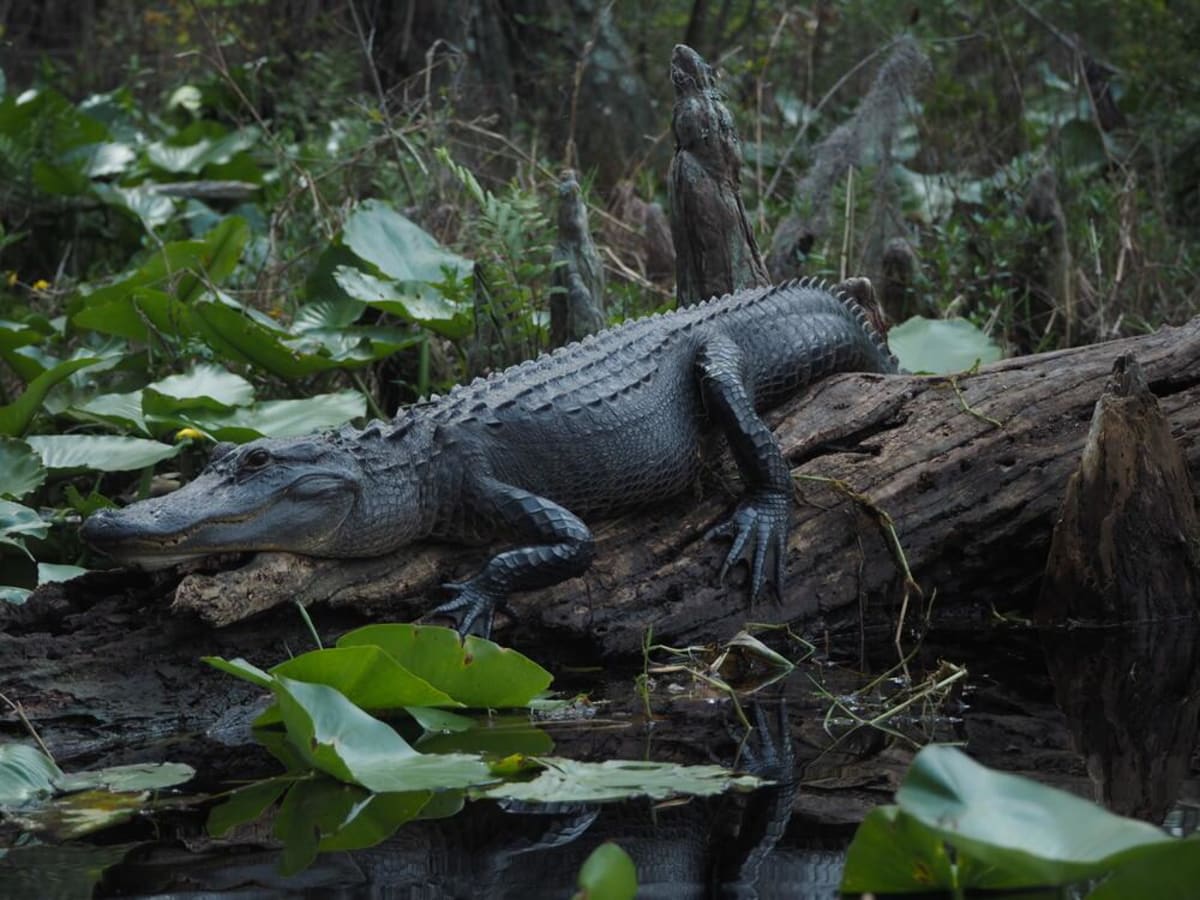
The numbers tell an impressive story. At least 856 plant species call the swamp home, along with 48 mammal species, 238 bird species, 39 fish species, and 90 types of reptiles and amphibians. American alligators thrive here in significant populations, and the area boasts a remarkable diversity of carnivorous plants.
Conservation efforts stretch back over a century. By 1918, loggers had already removed 1 million cubic meters of timber, but the federal government stepped in to acquire most of the swamp in 1936. It became a National Wildlife Refuge the following year.
The swamp's extensive peat deposits do more than create a unique landscape. They store critical amounts of carbon and preserve an important archive of environmental history spanning thousands of years.
Fire plays a surprising role in keeping the ecosystem healthy. A natural 20 to 30 year cycle of drought and fire drives peat formation, shapes vegetation, and maintains the incredible biodiversity that makes Okefenokee unlike anywhere else on Earth.
The Ripple Effect
This designation puts a spotlight on America's often overlooked blackwater swamps. While mountains and canyons get most of the attention, wetlands like Okefenokee provide irreplaceable services: filtering water, storing carbon, protecting endangered species like the longleaf pine (of which less than 3% remains), and offering sanctuary to migratory birds traveling thousands of miles.
The UNESCO recognition also strengthens protection for this fragile ecosystem. World Heritage status brings international attention, additional resources, and global commitment to preserving the swamp for future generations.
The Okefenokee has survived logging, development pressure, and climate challenges to remain one of the most intact ecosystems in North America, proving that with dedication and care, nature's wonders can thrive for centuries to come.
More Images
Based on reporting by Good News Network
This story was written by BrightWire based on verified news reports.
Spread the positivity!
Share this good news with someone who needs it