Geothermal Energy Wins Rare Bipartisan Support in Congress
While Democrats and Republicans clash over wind and solar power, they're united on geothermal heating and cooling. This Earth-powered technology keeps energy costs steady even when natural gas prices soar 60 percent.
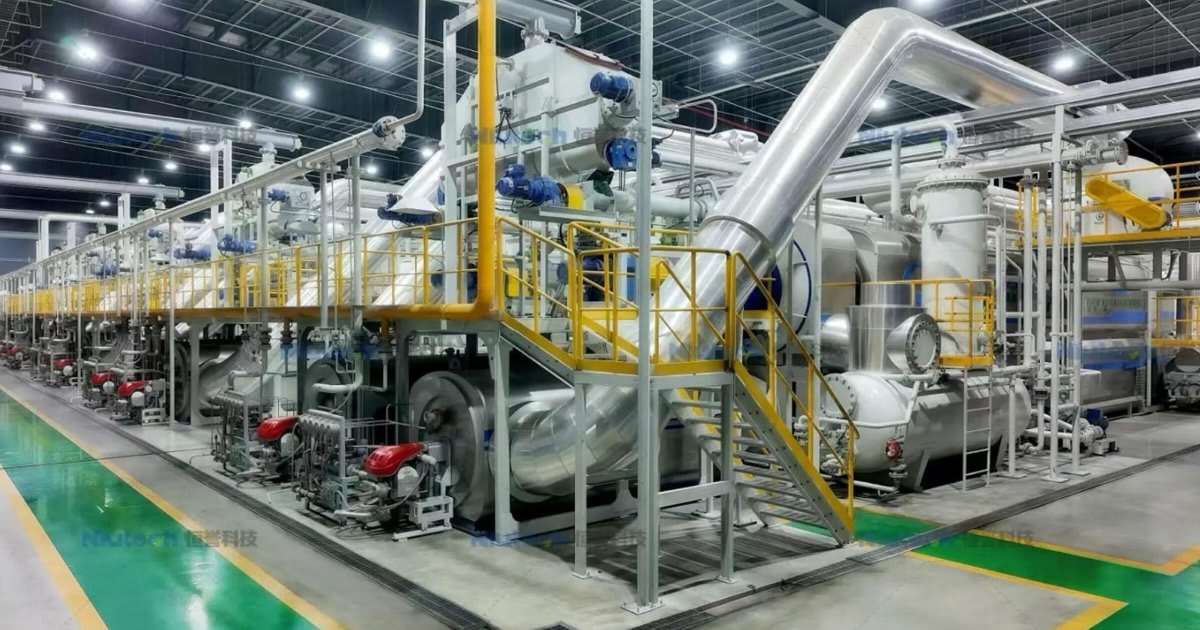
While brutal cold sent natural gas prices skyrocketing 60 percent across America, homes and buildings using geothermal energy kept their heating costs rock solid. The underground technology taps the Earth's constant 55-degree temperature to heat and cool buildings, and it's earning something rare in today's politics: bipartisan support.
Unlike wind and solar power that divide lawmakers, geothermal systems are bringing both parties together. Even U.S. Secretary of Energy Chris Wright, whose company invested millions in the technology, champions its potential.
Reporter Phil McKenna from Inside Climate News recently toured three cutting-edge geothermal projects across Iowa, Wisconsin, and Minnesota. What he found proves the technology works at every scale, from small towns to massive corporate campuses.
In West Union, Iowa, a farm town of just 2,500 people uses geothermal to heat and cool a dozen downtown office buildings. The system has run smoothly for two decades, proving small communities can make it work.
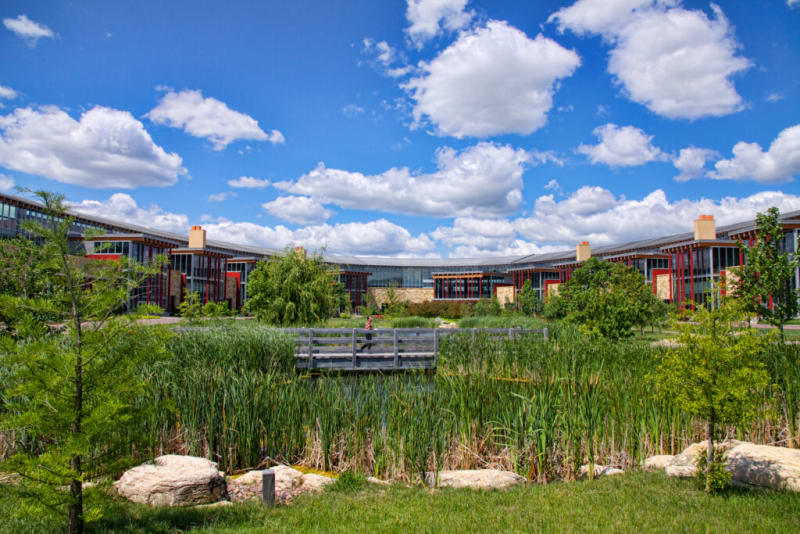
The real showstopper sits on 400 acres in Wisconsin. Epic Systems, a medical records company employing 12,000 people, operates the world's largest geothermal network with 6,000 underground boreholes. They've heated and cooled their entire corporate campus this way for 15 years.
The Bright Side
The technology works through simple physics. Pipes filled with liquid (usually water) connect to underground rocks that stay a steady 55 degrees year-round. Heat pumps extract warmth in winter and push heat back underground for cooling in summer.
The real magic happens when systems scale up. Connecting multiple buildings creates networks where heat moves from where it's not needed to where it is, slashing energy waste. An ice rink's excess cold can warm nearby homes in winter, for example.
These systems run about 75 percent more efficient than conventional heating and cooling. Once installed, they cost far less to operate day-to-day than systems dependent on volatile natural gas prices.
The main challenge? Upfront costs remain significant, even though the long-term savings are substantial. The 2022 Inflation Reduction Act included incentives to help communities and companies overcome this hurdle, making geothermal more accessible than ever.
As America searches for energy solutions everyone can support, geothermal is proving that clean technology doesn't have to be a partisan issue.
Based on reporting by Google News - Clean Energy
This story was written by BrightWire based on verified news reports.
Spread the positivity!
Share this good news with someone who needs it