German Battery Breakthrough Boosts Energy Storage 15%
Scientists in Germany just cracked a major battery problem, packing 15% more energy into the same space without adding weight. The breakthrough works across three battery types and could make renewable energy storage way more affordable.
Batteries are about to get a serious upgrade, and it couldn't come at a better time for our clean energy future.
Researchers at Germany's Fraunhofer Institute for Solar Energy Systems just developed a new electrode design that increases battery energy density by up to 15% without making batteries heavier or bigger. Think of it like fitting more groceries in the same bag.
The secret? They made the electrodes inside batteries much thicker than usual, up to 800 micrometers compared to the typical 100 to 200 micrometers. These beefier electrodes mean batteries need fewer current collectors inside, leaving more room for the actual energy-storing materials that power our devices and grid systems.
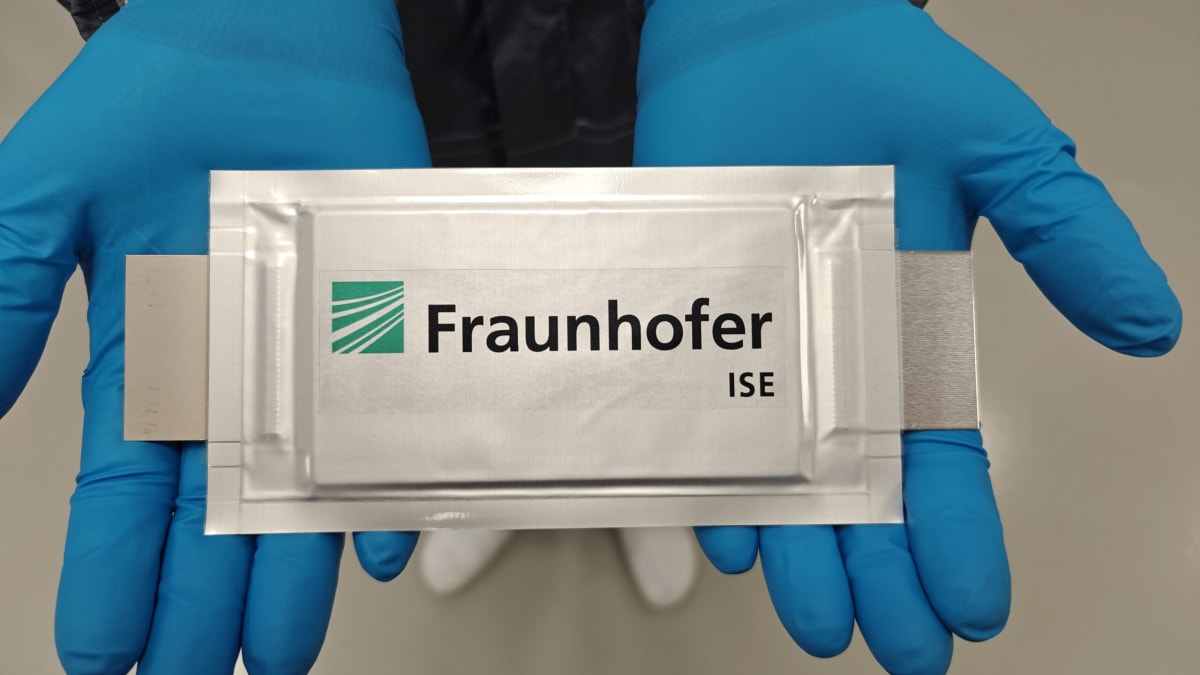
The team successfully tested their design in lithium-ion, sodium-ion, and zinc-ion batteries. They've already built working prototypes of lithium-ion pouch cells, proving the concept works in real-world applications.
Here's where it gets even better for the environment. The new batteries are completely PFAS-free and manufactured without toxic solvents. PFAS chemicals, often called "forever chemicals," stick around in nature indefinitely and have been a growing concern in battery production.
The Ripple Effect
This innovation could reshape who makes batteries and where. The manufacturing process is significantly simpler than current wet-coating systems, requiring less space, less energy, and lower upfront investment.
That opens the door for small and medium-sized companies to start their own battery production facilities in Germany, rather than relying on massive industrial operations. More competition could mean lower prices and faster innovation across the board.
Oliver Fitz, who leads battery cell technology at Fraunhofer ISE, developed the design through three different research projects focused on sodium-ion and zinc-ion batteries for stationary and mobile energy storage. Partners included several German universities and tech companies working together to solve real manufacturing challenges.
The timing matters enormously. As solar and wind power become our primary energy sources, we need affordable battery storage to capture energy when the sun shines and wind blows, then release it during morning and evening demand peaks.
Andreas Bett, director of Fraunhofer ISE, pointed out that Germany has a strategic opportunity here. Building domestic battery manufacturing capacity means creating jobs, keeping money in the local economy, and securing the supply chain for the nation's energy transition.
The researchers designed everything with mass production in mind from day one, not just lab results that look good on paper.
Better batteries at lower costs could accelerate the shift to renewable energy worldwide, making clean power more reliable and accessible for everyone.
More Images


Based on reporting by PV Magazine
This story was written by BrightWire based on verified news reports.
Spread the positivity!
Share this good news with someone who needs it