MIT Makes Pure Hydrogen Extraction Cheaper and Easier
Scientists at MIT just cracked a major problem holding back clean hydrogen fuel. Their new method extracts pure hydrogen from ammonia using less energy and lower temperatures than ever before.
Getting pure hydrogen fuel just became way more practical, thanks to a breakthrough from MIT researchers who figured out how to extract it without extreme heat or expensive purification.
Hydrogen powers everything from fuel cells to semiconductor manufacturing, but there's always been a catch. Storing and moving hydrogen gas is incredibly difficult without compressing or liquefying it, which costs a fortune in energy.
That's why scientists have been trying to use ammonia as a hydrogen carrier. Ammonia is already shipped around the world in huge quantities. The problem was getting the hydrogen back out required blasting it with temperatures over 500 degrees Celsius, then spending more energy to purify it.
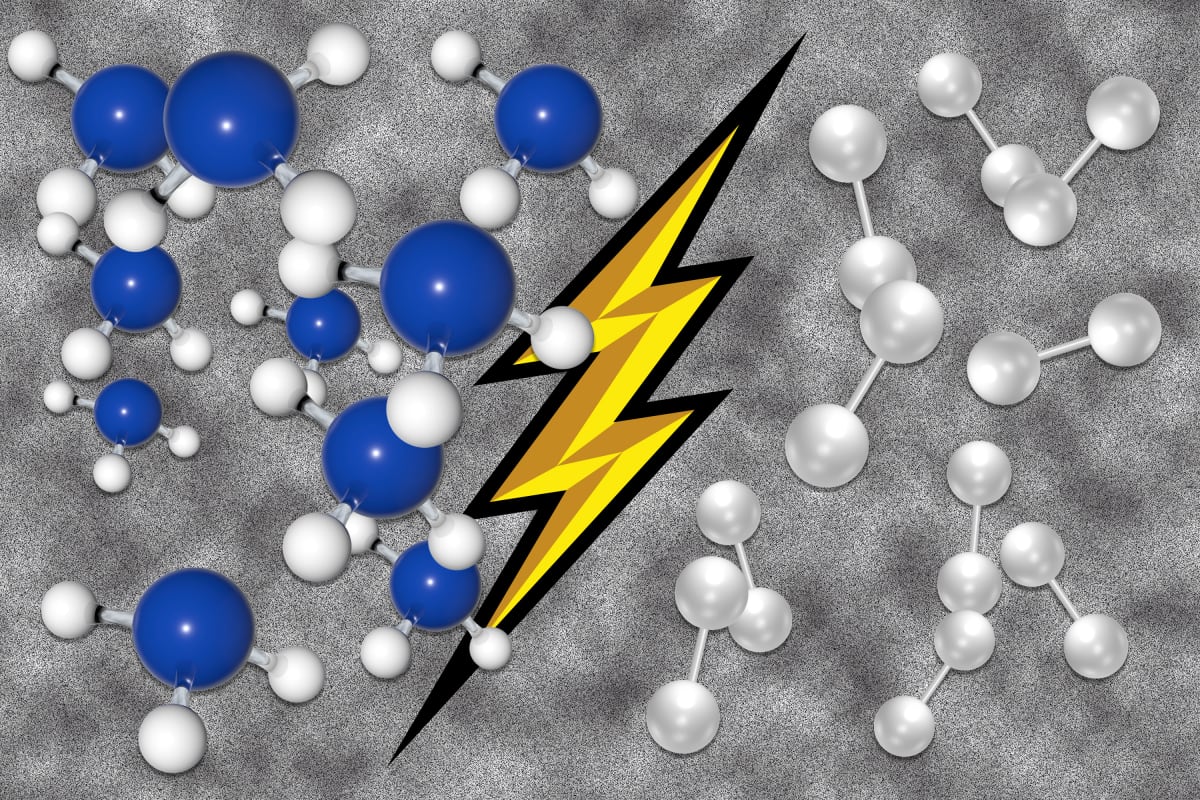
Professor Yogesh Surendranath and his team at MIT found a smarter way. They built a system that uses electricity to pull hydrogen through a special palladium membrane while it's being released from ammonia. Think of it like creating a vacuum that sucks the hydrogen out.
The genius is in how it all works together. The membrane only lets hydrogen pass through, blocking everything else. This means the hydrogen comes out pure on the other side without needing extra purification steps later.
Even better, the whole process works at just 200 to 300 degrees Celsius. That's hundreds of degrees cooler than the old method, which means substantially less energy required.
The system converts hydrogen into protons and electrons that travel separately through the device, then recombine as pure hydrogen gas on the other side. By constantly removing hydrogen as it forms, the reaction keeps moving forward even under these gentler conditions.
The approach doesn't just work for ammonia either. The researchers tested it on liquid organic molecules and believe the same principles could unlock hydrogen from other carriers too.
The Ripple Effect
This breakthrough arrives exactly when the world needs it most. Clean hydrogen could replace fossil fuels in countless industries, from transportation to manufacturing, but only if we can move it around efficiently.
Curtis Berlinguette, a chemistry professor at the University of British Columbia who wasn't involved in the research, called it "a powerful new way" to solve a problem that's been blocking progress toward a hydrogen economy.
The research team is already working to apply their electrochemical approach to other important chemical reactions that currently require extreme conditions. Each one they crack could make clean energy more practical and affordable.
Making hydrogen easier to transport and extract means fuel cells become more viable, manufacturing gets cleaner, and the renewable energy revolution gains another crucial tool.
Based on reporting by MIT News
This story was written by BrightWire based on verified news reports.
Spread the positivity!
Share this good news with someone who needs it