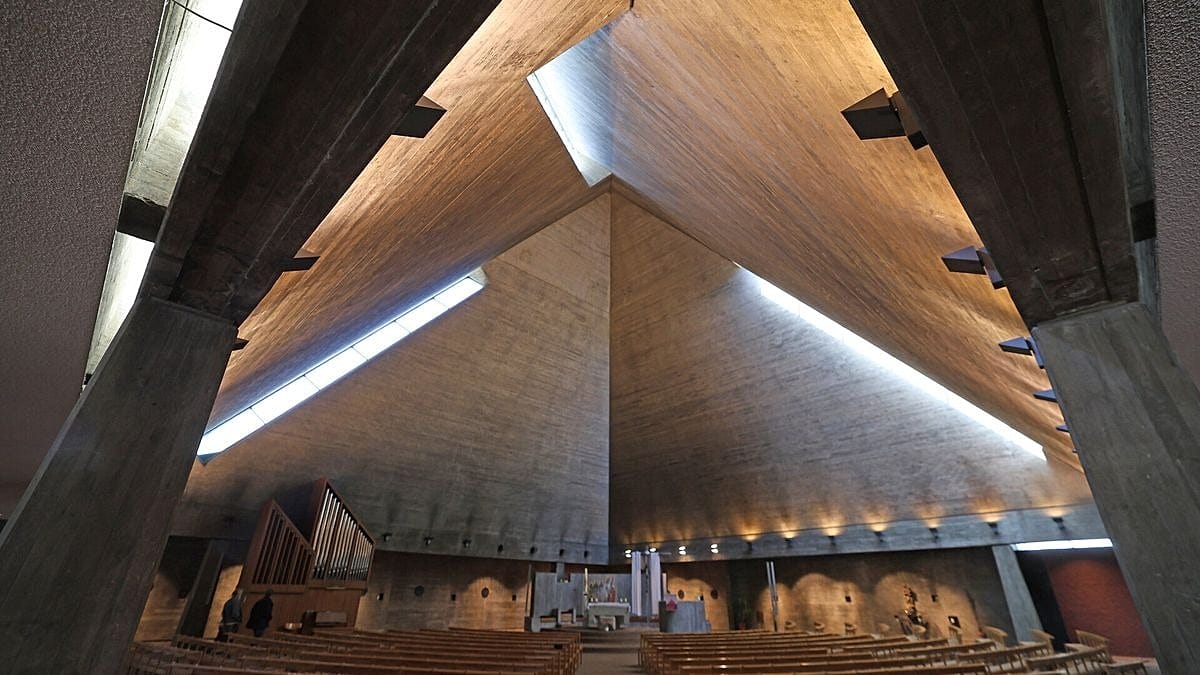
German Church Becomes Climbing Gym in Creative Reuse
A 1968 church in Würzburg, Germany is transforming into Bavaria's first climbing center, complete with bouldering walls and a café. It's part of a growing movement giving sacred spaces new life as communities shrink and costs climb.
Where prayers once echoed through St. Andrew's Church in Würzburg, Germany, climbers will soon scale bouldering walls reaching toward the same ceiling that once heard hymns.
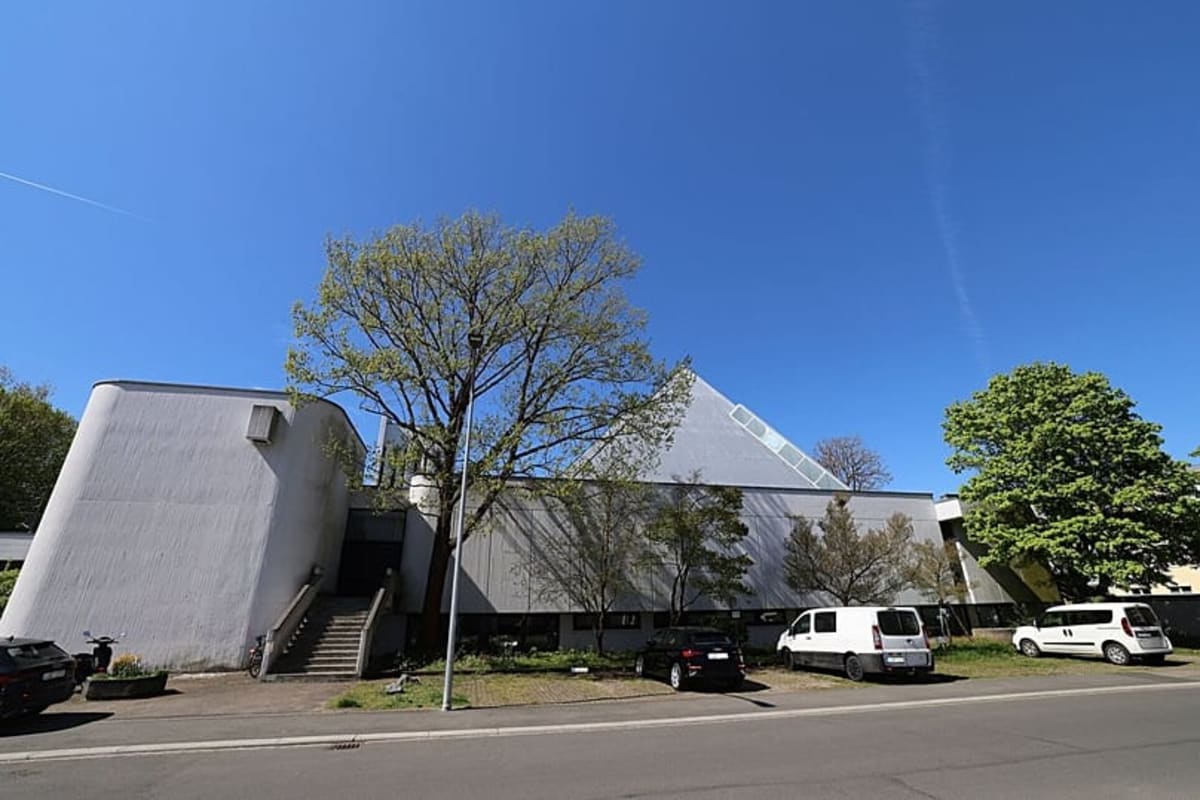
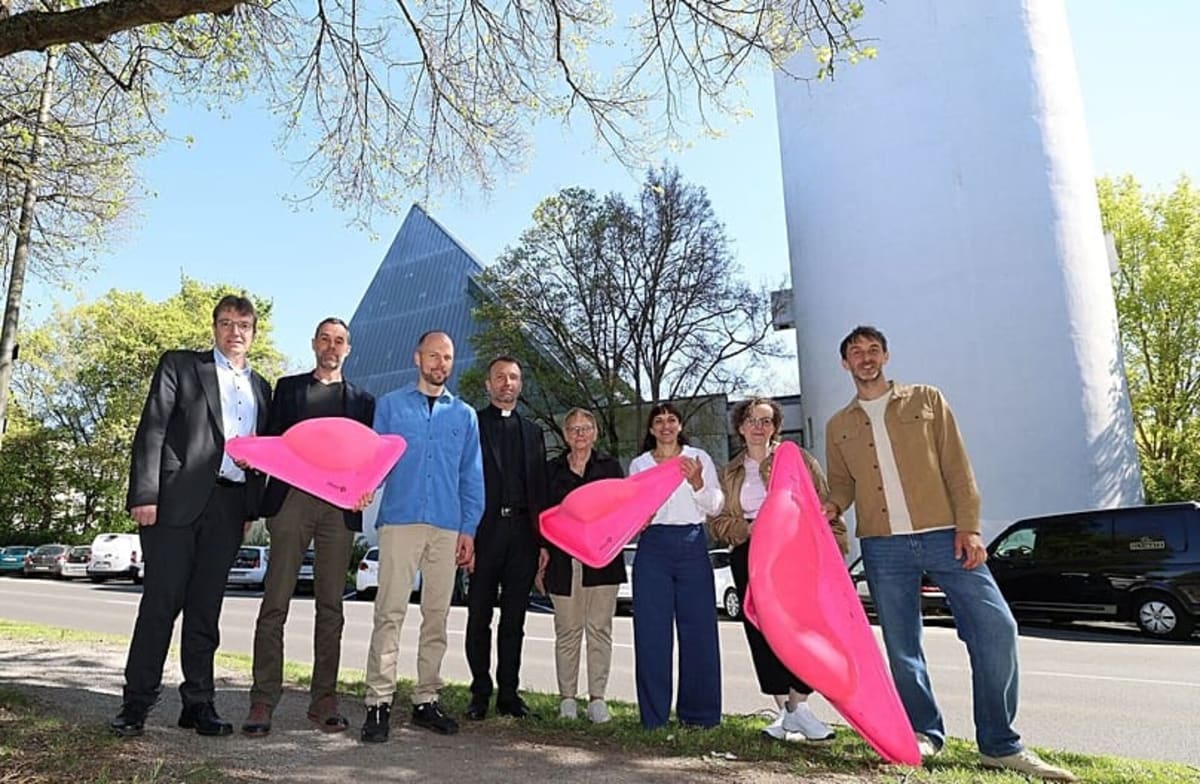
The parish church, built in 1958, is getting a new lease on life as a climbing center called Rock Inn. Opening in summer 2027, the space will feature climbing walls, a yoga room, a café, and a children's area.
Father Tobias Fuchs, who oversees St. Andrew, says the decision came down to simple reality. "We simply can't manage any more," he explains, citing high maintenance costs and dwindling volunteers.
The church received historic monument status in February 2026, which ruled out demolition. For many parishioners, that designation offers comfort knowing the striking modernist building will remain a community gathering place, just in a different form.
St. Andrew isn't alone in its transformation. The Diocese of Würzburg has marked nearly 80 churches for eventual new uses, searching for individual solutions that honor each building's history while serving today's needs.
The Ripple Effect
This creative approach to preservation is spreading across Germany. Since 2000, 611 Catholic churches have stopped holding services, but only 201 were sold out of church ownership.
The rest found new purposes that still serve their communities. Former churches now house art galleries, parish centers, apartments, and artist studios throughout the region.
The diocese requires any new use to align with Christian values. Architect Roland Breuning designed St. Andrew's climbing walls to stand on an inserted gallery, ensuring the conversion could theoretically be reversed for future generations.
Before climbers arrive, Bishop Franz Jung will officially deconsecrate the church in a final solemn Mass this summer. The ceremony includes clearing the interior and presenting a profanation certificate, marking both gratitude for the past and hope for what comes next.
The transformation shows how communities can honor history while adapting to change. St. Andrew's will continue bringing people together, offering physical and spiritual uplift in a fresh way that keeps the building alive for another generation.
More Images
Based on reporting by Euronews
This story was written by BrightWire based on verified news reports.
Spread the positivity!
Share this good news with someone who needs it