German City Builds Climate Resilience After Record Storm
After the worst storm surge in 150 years devastated Kiel, Germany in 2023, the coastal city is pioneering creative solutions to prepare for climate extremes. From testing heat-resistant trees to redesigning parks that double as flood storage, Kiel shows how cities can adapt without giving up the fight against climate change.
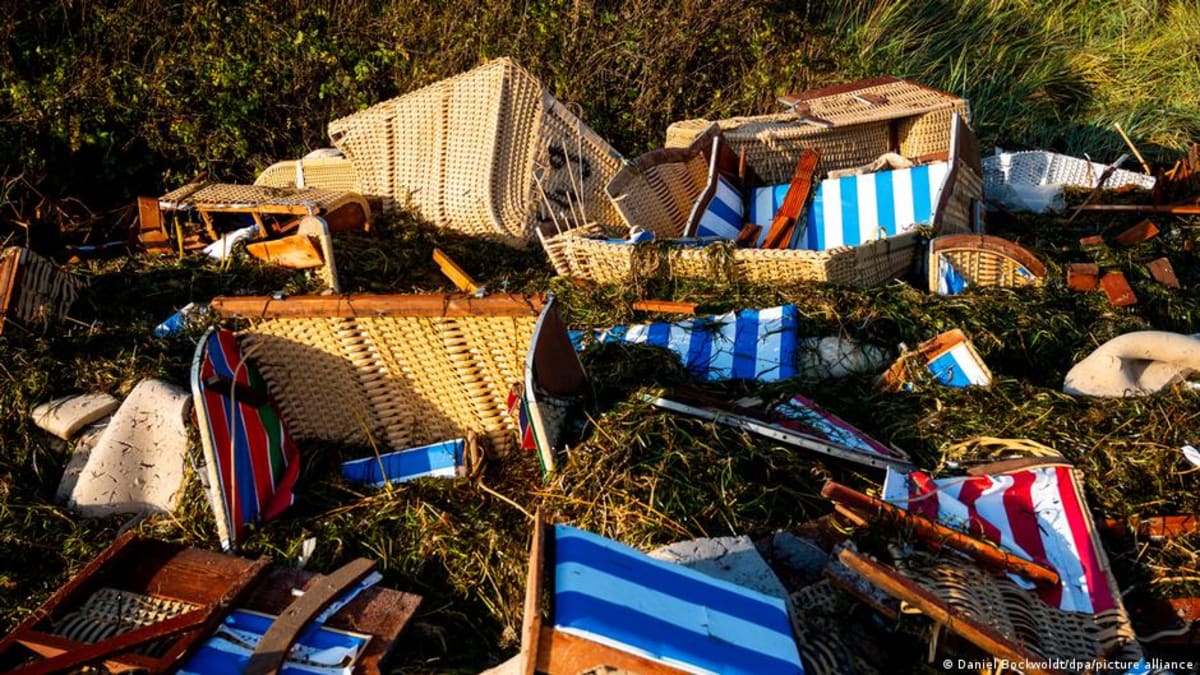
When the worst storm surge in over 150 years slammed into Kiel, Germany in October 2023, it wiped away nearly nine feet of coastal bluff in a single event. The devastation was a wake-up call that climate change had already arrived on the Baltic Sea coast.
But instead of simply rebuilding what was lost, this northern German port city decided to become a laboratory for climate resilience. Kiel established a dedicated climate adaptation division in 2025 and adopted a comprehensive adaptation plan in February 2026, becoming one of Europe's front-runners in preparing for weather extremes.
The city's approach balances immediate protection with long-term sustainability. Officials are adding vegetation to building facades, redesigning a park to funnel cooler air into downtown, and making it easier for residents to access grants for their own adaptation projects.
One of the most patient experiments is already a decade in the process. Kiel planted five specimens each of 20 different tree species to discover which can best survive future heat, drought, and salty Baltic Sea spray while still providing shade that cools streets by roughly 1.5 degrees Celsius.
"There is no one-size-fits-all climate tree," said Nicole Holz, who manages the city's green spaces. The research requires waiting 20 to 30 years for real results, but the payoff will help cities worldwide choose the right trees for changing conditions.
Kiel is also pioneering multi-use designs that serve double duty. City planners are exploring building soccer pitches slightly below ground level so they can temporarily store stormwater during heavy rains, allowing water to gradually seep into the soil or evaporate naturally.
The trade-off? Fields might be unusable for up to 60 days a year. Kids might need to play tournaments in the evening instead of during hot afternoons.
Why This Inspires
What makes Kiel's approach special is the recognition that adaptation doesn't mean giving up on fighting climate change. "For a long time, there was hesitation to engage officially with climate change adaptation," said Martina Baum, who heads the city's climate efforts. She initially worried that planning for impacts would reduce pressure to cut emissions.
Instead, Kiel treats adaptation and emissions reduction as partners, not competitors. The city avoids power-hungry air conditioning when possible, choosing natural cooling solutions that don't increase energy demand and greenhouse gas emissions.
To bring residents along on the journey, climate educator Annafried Stürmer meets people where they are. She organizes neighborhood fairs, leads public excursions with scientists, and displayed flood risk maps at Kiel Week, the world's biggest annual sailing event, reaching people who might never attend a climate meeting.
From Santa Cruz to Quezon City in the Philippines, cities worldwide are following similar paths as heat waves, flooding, and storms become impossible to ignore. Kiel's practical, patient approach offers a roadmap for building resilience while keeping hope alive.
Based on reporting by DW News
This story was written by BrightWire based on verified news reports.
Spread the positivity!
Share this good news with someone who needs it