German Scientists Make Solar Panels 40% Lighter, Just as Strong
Researchers in Germany have developed a special coating that makes ultra-thin solar panels as strong as thick ones, potentially cutting weight by 40% while reducing costs and carbon emissions. The breakthrough, inspired by abalone shells, could make rooftop solar easier to install and transport.
Scientists just solved one of solar energy's biggest puzzles: how to make panels lighter without making them fragile.
Researchers at Germany's Fraunhofer Center for Silicon Photovoltaics teamed up with startup Exxosqel to create a special coating that strengthens ultra-thin glass. Their innovation could make solar panels 40% lighter while keeping them strong enough to survive extreme weather.
The secret lies in nature. The team looked at abalone shells, where tiny amounts of organic material create incredible toughness. They developed a coating that mimics this natural design, chemically bonding with the glass surface to heal tiny cracks and strengthen weak spots.
The results are remarkable. In laboratory tests, 1mm glass samples coated with the special treatment jumped from 184 MPa strength to over 1,300 MPa. That's more than seven times stronger than uncoated glass.
The breakthrough addresses a real problem in solar energy. Standard solar panels use thick, heavy glass that adds weight, transportation costs, and installation challenges. But when manufacturers tried using thinner glass in the past, the panels became too fragile, especially during hailstorms.
"The common belief is that reducing glass thickness is inherently incompatible with sufficient hail resistance," explains Exxosqel CEO Thomas C. Sauer. "This is precisely the conventional limitation that our technology is intended to overcome."
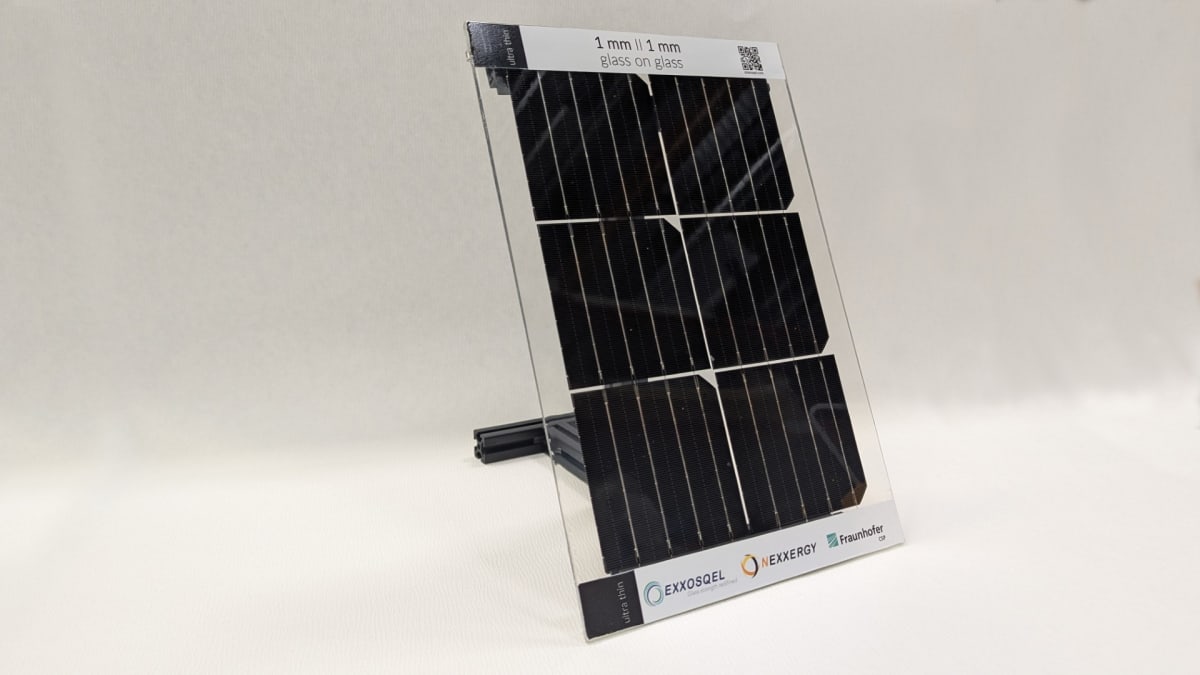
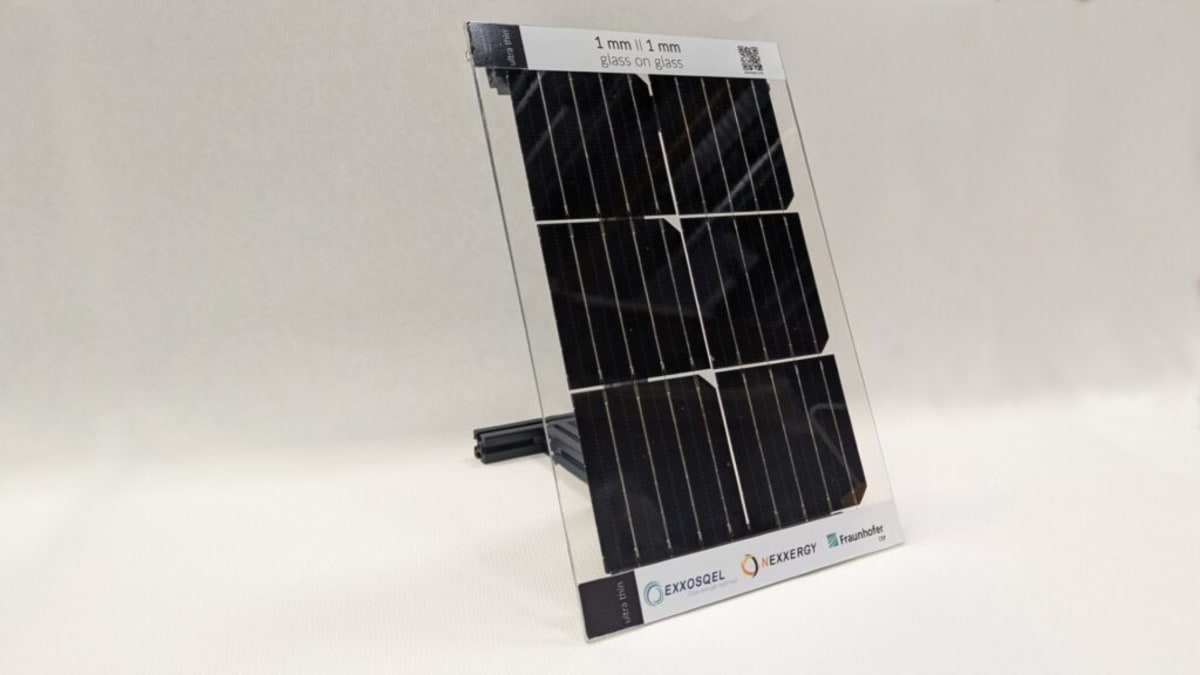
The team has already built a working prototype using glass just 1mm thick on both sides. The coating stays completely transparent, so it doesn't reduce the panel's ability to capture sunlight. Better yet, it can be integrated into existing glass production processes without requiring entirely new factories.
The Ripple Effect
Lighter solar panels mean easier rooftop installations, especially on buildings that can't support heavy loads. That opens up thousands of structures to solar energy that couldn't use it before.
The weight reduction also cuts transportation costs and carbon emissions from shipping. Since the coating uses less material overall, it reduces the energy needed for manufacturing too.
The technology shows particular promise for building-integrated photovoltaics, where solar panels double as architectural elements. Thinner, lighter panels give architects more creative freedom while still generating clean energy.
The next step is testing full-size modules against actual hail conditions. Based on their lab results, the researchers feel optimistic. "We are optimistic, but naturally the large-scale module testing still needs to provide the necessary evidence," Sauer notes.
If the coating passes real-world testing, it could help accelerate solar adoption by making panels cheaper to produce, easier to install, and more versatile in where they can be used.
The clean energy revolution just got a little lighter.
More Images


Based on reporting by PV Magazine
This story was written by BrightWire based on verified news reports.
Spread the positivity!
Share this good news with someone who needs it