Space Launch Costs Drop 96% Since 1960, Still Falling
Getting stuff into space now costs 96% less than it did in 1960, and prices are falling faster than during history's greatest transport revolution. Cambridge researchers say this opens the door to asteroid mining, orbital solar power, and space factories within decades.
The dream of working in space just got a lot more realistic.
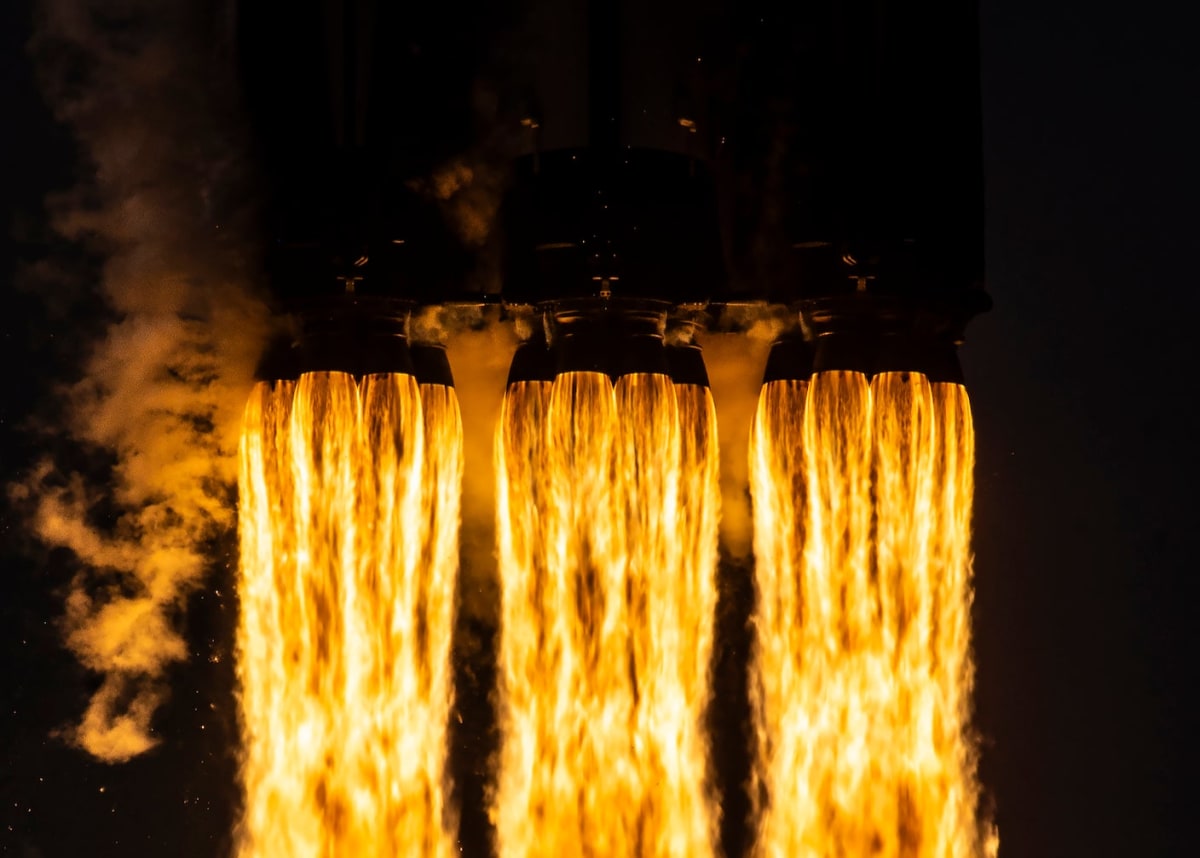
Cambridge University researchers have discovered something remarkable: the cost of launching material into orbit has plummeted 96% since 1960, and the decline is accelerating. What once cost $87,000 per kilogram now runs just $3,868, and scientists predict it could drop to $273 by 2040.
This isn't just about cheaper satellite launches. The research team says we're approaching a tipping point where industries previously confined to science fiction could actually turn a profit, including mining asteroids for rare metals, beaming solar power down from orbit, and manufacturing fiber optic cables in zero gravity.
"Space is no longer a science fiction fantasy or a purely scientific pursuit, it is becoming a marketplace," said Alessio Terzi, who led the study. His team analyzed over 4,400 rocket launches spanning 65 years to understand why costs keep falling so dramatically.
The answer lies in something called Wright's Law, which predicts that technologies get cheaper as we make more of them. Every time we double the amount of payload sent to orbit, costs drop by 21.2%. That's actually a steeper learning curve than solar panels achieved, despite solar being held up as the gold standard for cost reduction.
The researchers compared space launches to steamships, which revolutionized global trade in the 1800s by slashing shipping costs. Steamship costs only fell 15.5% with each doubling of cargo. Space technology is improving three times faster than that historical breakthrough, but at a much smaller scale, which means there's still enormous room to grow.
The Ripple Effect
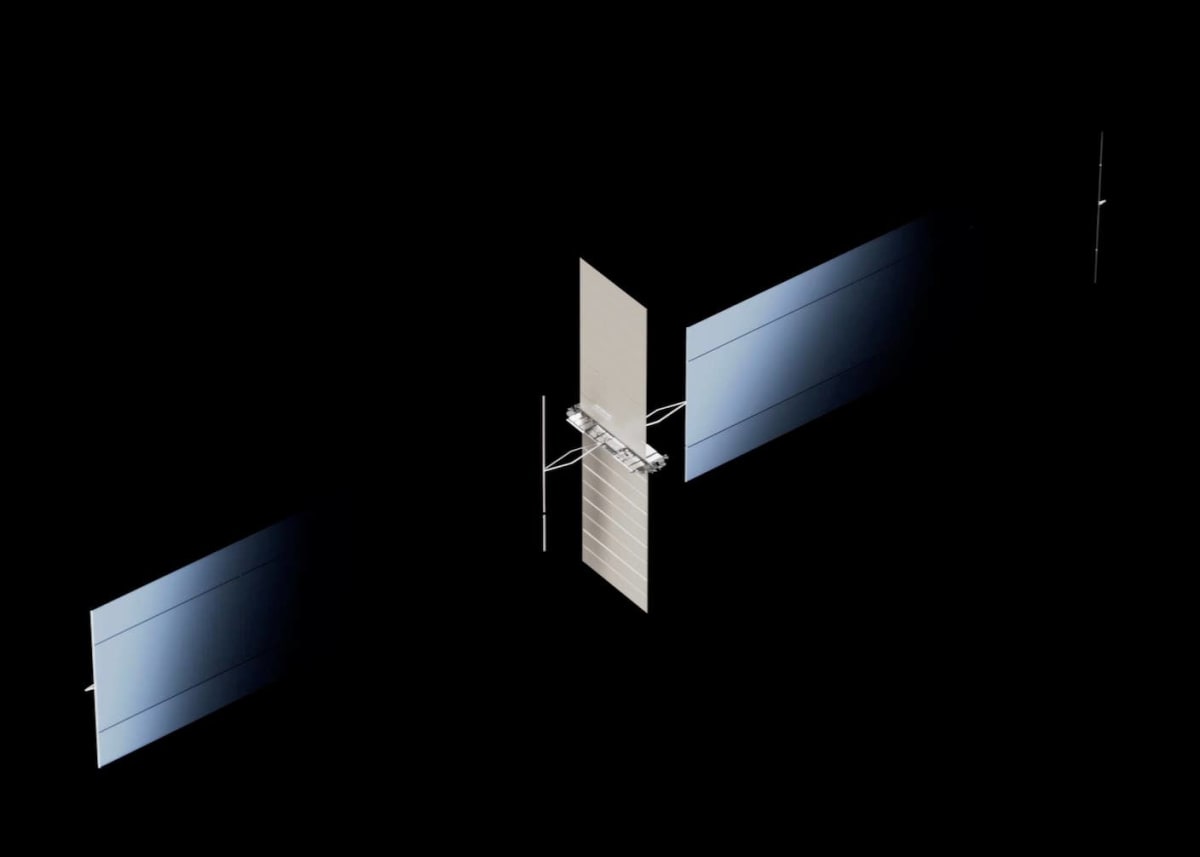
This trend could reshape entire industries beyond tourism and research. The Cambridge team envisions orbital factories producing specialized materials that can only be made in zero gravity, from perfect fiber optic cables to 3D bioprinted organs. Countries could beam clean energy from solar panels in constant sunlight down to Earth, bypassing weather and nighttime limitations.
The economics are finally starting to make sense for ventures that seemed impossibly expensive just years ago. As more companies and countries gain affordable access to space, new solutions to Earth's challenges become possible.
There are speed bumps ahead. SpaceX currently launches 80% of all payload reaching orbit, raising questions about monopoly power and whether other nations will rely on a single American company. Low Earth orbit could also become dangerously crowded with debris as launches multiply.
But if these challenges can be managed, the implications stretch beyond business. Cheaper access to space means more countries can participate in space science, more researchers can conduct experiments in microgravity, and more entrepreneurs can test ideas that seemed financially impossible before.
The space age is finally becoming affordable enough for the rest of us.
More Images


Based on reporting by Singularity Hub
This story was written by BrightWire based on verified news reports.
Spread the positivity!
Share this good news with someone who needs it