NASA Langley Celebrates 50 Years Since First Mars Landing
Fifty years ago, a team in Hampton, Virginia helped land the first spacecraft on Mars, pioneering methods still used today. Their Viking mission opened an era of planetary exploration that continues to inspire.
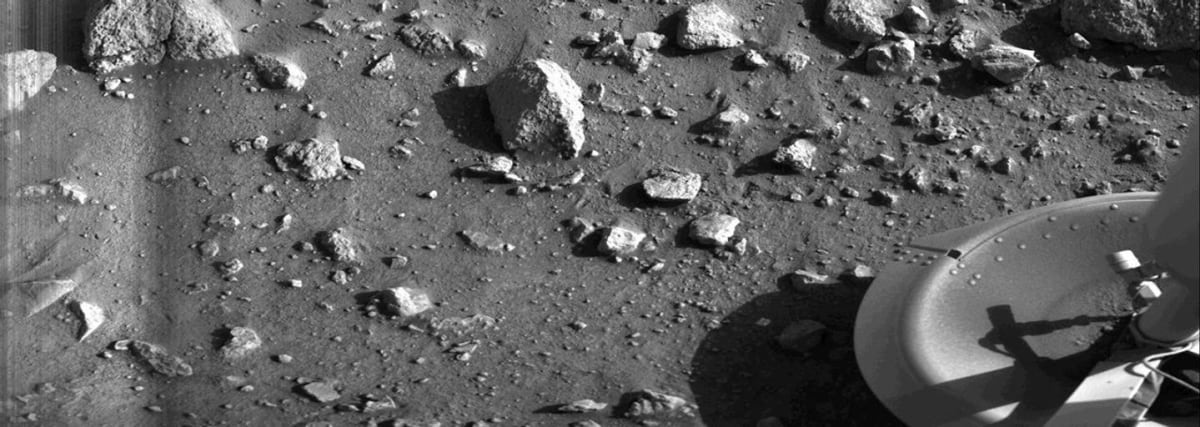
On July 20, 1976, NASA's Viking 1 became the first spacecraft to successfully touch down on Mars, and a team of engineers in Hampton, Virginia made it possible.
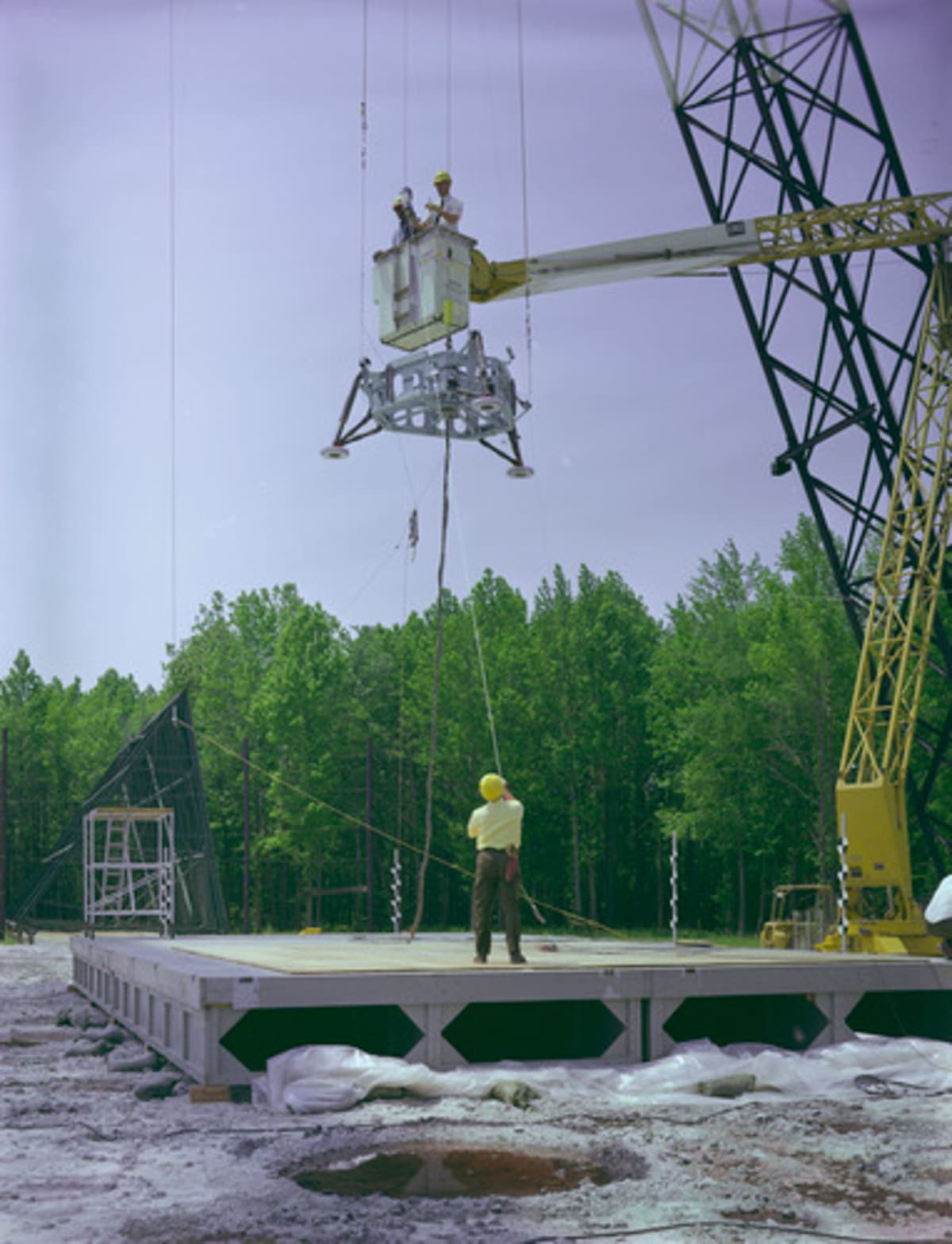
NASA's Langley Research Center led the Viking project from 1968, tasked with an unprecedented challenge: land safely on another planet and search for signs of life. Project Manager James S. Martin Jr. insisted on rigorous testing and clear priorities, building a culture that would define how NASA explores other worlds.
The technical hurdles were staggering. Langley engineers had to slow a spacecraft plunging through Mars' atmosphere at over 10,000 miles per hour. They designed protective heat shields and a supersonic parachute, refining every detail through countless wind tunnel tests and simulations.
The team also pioneered how to choose landing sites safely. They combined orbiter images with Earth-based radar data to find spots that balanced scientific promise with engineering reality. This approach became the standard for every Mars mission that followed.
Viking's success required reimagining an earlier, overambitious concept. When the original Voyager Mars lander was canceled for being too costly and risky, Langley engineers charted a more achievable path forward, pairing each lander with its own orbiter and using more practical rockets.
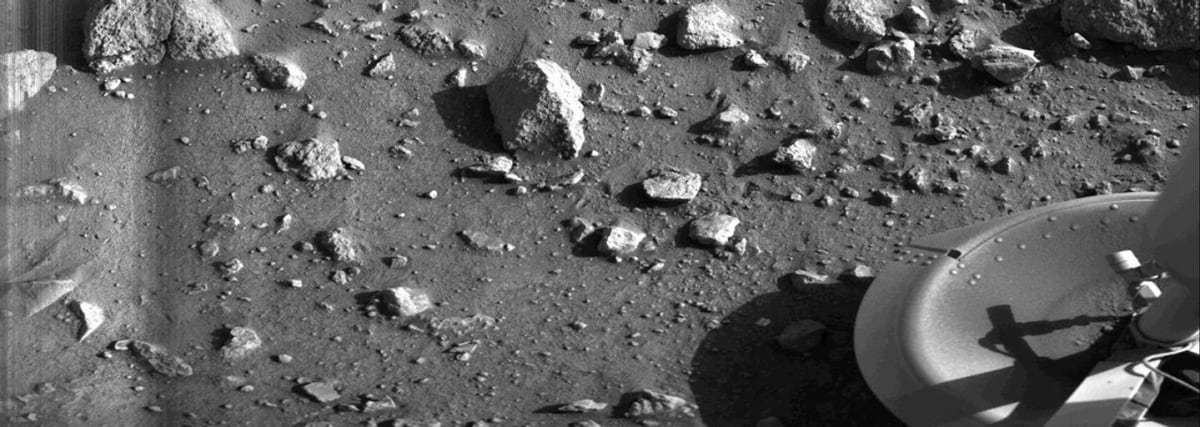
The two Viking landers sent back thousands of images and revealed Mars as a dynamic world with weather patterns and complex geology. Scientists continue studying that data today, nearly five decades later.
The Ripple Effect
Viking created the planetary exploration playbook NASA still follows: scout with orbiters, verify landing sites with real data, and test systems far beyond expected limits. Missions like Curiosity and Perseverance trace their lineage directly to Viking's methods.
The mission also changed how teams operate on Mars. Engineers adopted the "sol," a Martian day slightly longer than 24 hours, to stay synchronized with surface operations. Every Mars rover team since has worked on Martian time.
Langley remains at the forefront of entry, descent, and landing technology today. The center develops concepts that will one day support human explorers, carrying forward the same steady spirit that made Viking possible.
What started in Hampton fifty years ago proved that reaching another planet was within humanity's grasp, and that legacy continues inspiring the next generation reaching for even more distant horizons.
More Images
Based on reporting by NASA
This story was written by BrightWire based on verified news reports.
Spread the positivity!
Share this good news with someone who needs it