Germany and INTERPOL Stop 500 Environmental Crimes in Year One
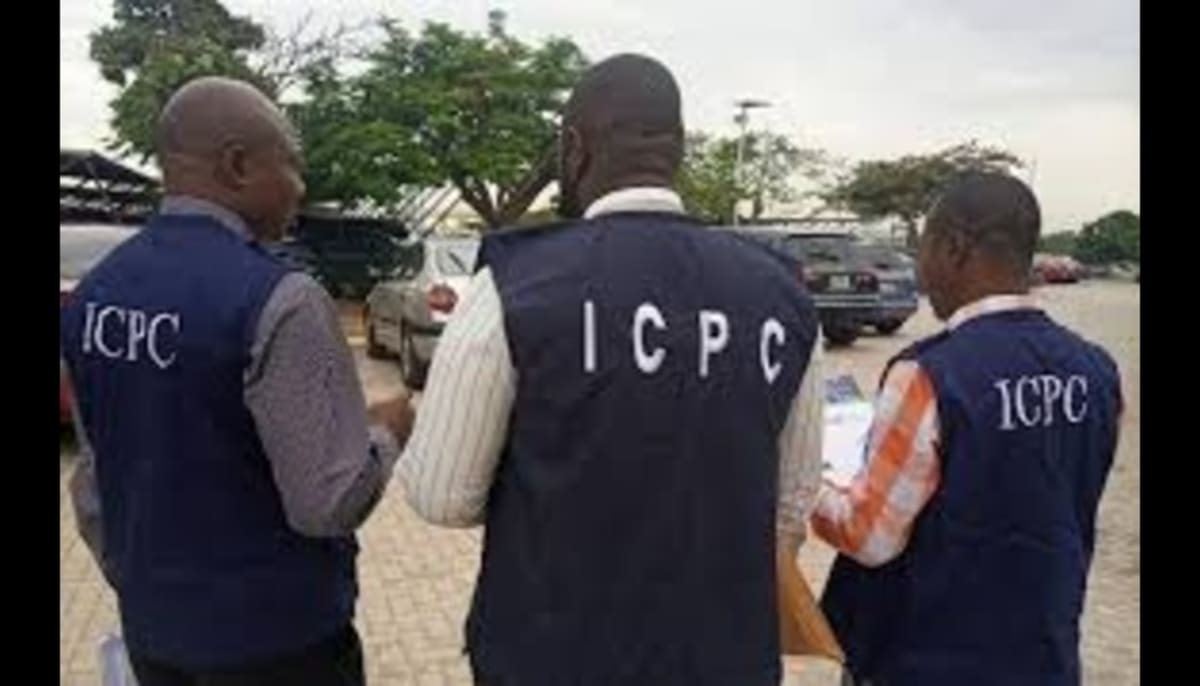
A groundbreaking partnership between Germany and INTERPOL has cracked 500 environmental crime cases in just 12 months, tackling a trillion-dollar criminal industry. The expanded GAIA project is now bringing real-time cooperation to police forces fighting illegal logging, toxic dumping, and wildlife trafficking across three continents.
Environmental crime generates hundreds of billions in illegal profits each year, but a new international partnership just proved that coordinated action can take these networks down.
Germany's Federal Environment Ministry and INTERPOL have deepened their cooperation through Project GAIA, achieving remarkable results in the first year alone. Partner countries reported more than 500 investigations and identified 262 criminal entities operating across borders.
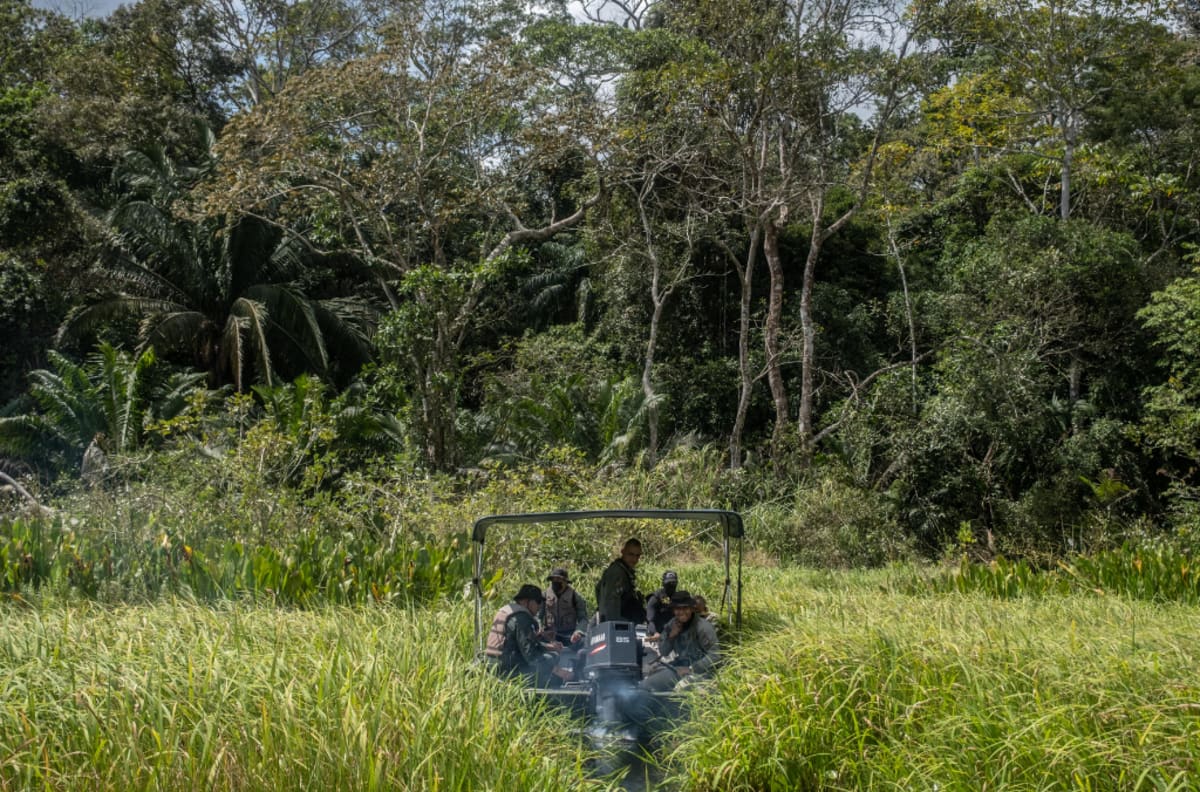
The project brings together law enforcement agencies from Latin America, Asia, and Africa with high-level decision makers, NGOs, and companies to fight environmental crime as a security threat. These aren't small-time operations but sophisticated criminal networks that rival drug cartels in their scale and impact.
Environmental crime now ranks as the third most profitable criminal industry globally, generating over $1 trillion in annual damage. When forests are illegally harvested or toxic chemicals dumped in water supplies, local communities suffer first with poisoned drinking water and destroyed livelihoods.
The stakes extend far beyond environmental damage. These criminal profits fund other illegal activities, fuel regional conflicts, and undermine government institutions trying to protect natural resources.
Germany is investing an additional 1.5 million euros to expand the program, recognizing that cross-border crimes demand cross-border solutions. The GAIA project provides partner countries with forensic support, capacity building, analytics, and most importantly, real-time intelligence sharing between police forces.
The analytical work has mapped 503 additional entities including trafficking routes, criminal hotspots, and how these networks operate. This intelligence gives law enforcement the tools to disrupt operations before they cause irreversible damage.
WWF joined the consortium to protect environmental defenders and civil society actors who risk their lives exposing these crimes. These whistleblowers play a crucial role in bringing criminal operations to light.
The Ripple Effect: When police forces share intelligence across borders in real time, entire criminal networks lose their advantage. The 500 investigations in year one represent not just arrests but disrupted supply chains, protected forests, and communities that can safely access clean water and healthy soil. As partner countries continue building capacity through operational support and training, the network of cooperation grows stronger while criminal networks grow weaker.
Based on reporting by Google: cooperation international
This story was written by BrightWire based on verified news reports.
Spread the positivity!
Share this good news with someone who needs it