Indonesia Jails Hundreds of Elite Officials Through Sting Ops
Indonesia's anti-corruption commission has arrested and convicted hundreds of "untouchable" officials including ministers and judges using sting operations. Nigeria's anti-corruption agency is now learning from their proven strategies to strengthen its own fight against corruption.
When it comes to catching corrupt officials red-handed, Indonesia has cracked the code that other nations are eager to learn.
The Southeast Asian nation shared its remarkable anti-corruption success with Nigeria this week, revealing how its Corruption Eradication Commission (KPK) has prosecuted hundreds of high-profile officials since 2003. Ministers, governors, lawmakers, and even judges who once seemed untouchable now face justice through intelligence-led sting operations.
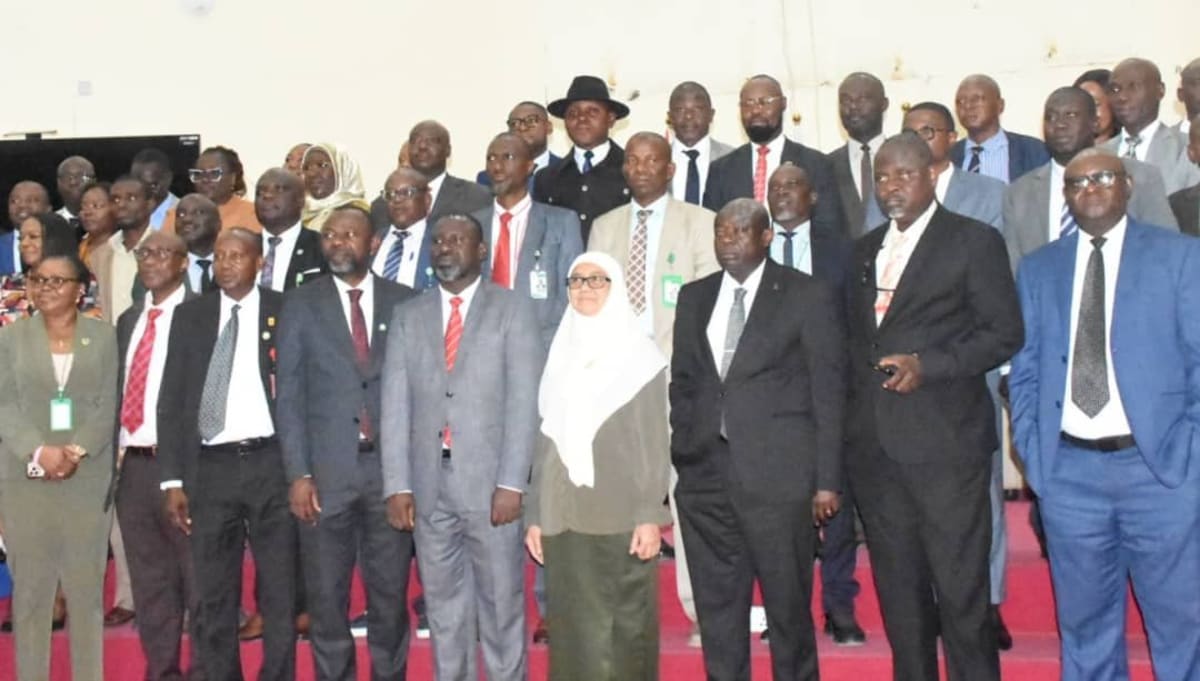
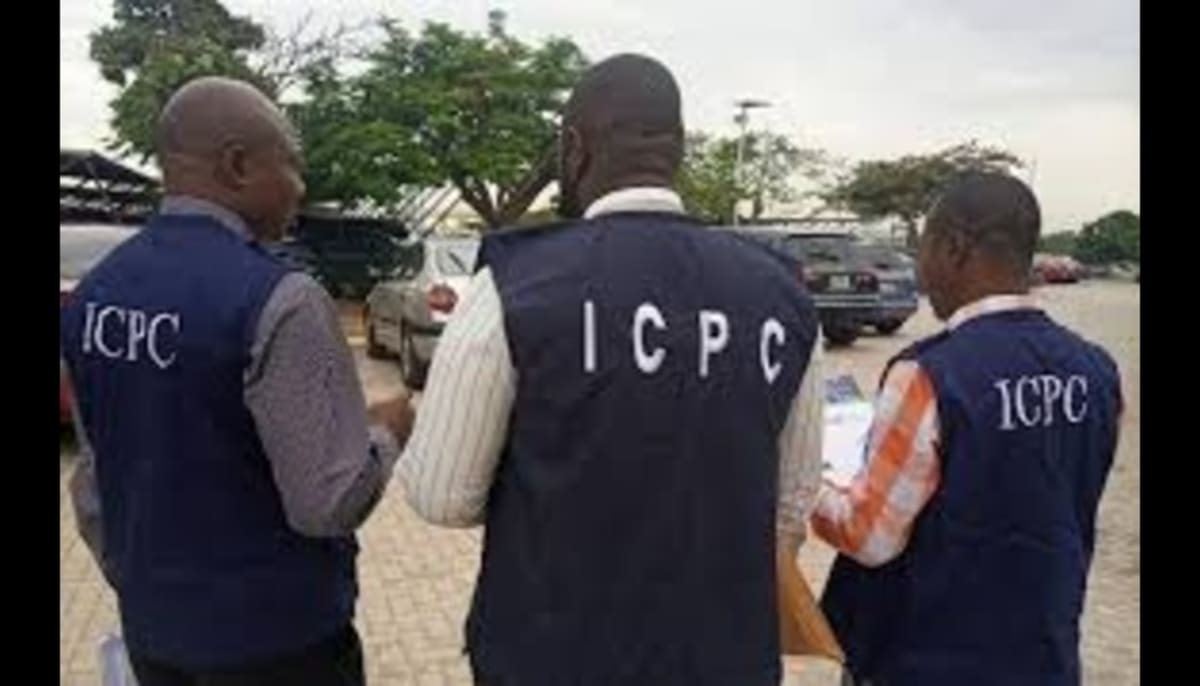
Indonesian Ambassador Bambang Suharto addressed Nigeria's Independent Corrupt Practices Commission in Abuja, explaining how KPK transforms investigations into convictions. The commission uses wiretapping and intelligence work to build cases before conducting carefully planned sting operations, all within Indonesia's legal framework.
The country takes corruption seriously, with penalties ranging from four to 20 years in prison or even life sentences for serious offenses. Officials must also declare their personal wealth and family assets before taking office, annually during their tenure, and after leaving their positions through a state asset reporting system.
The Ripple Effect
Indonesia's success goes beyond impressive arrest numbers. The KPK has restored public faith by showing citizens that powerful people can be held accountable when they abuse their positions.
This vision of a corruption-free society where public business operates transparently has inspired other African nations to adopt similar approaches. Nigeria's commission chairman Dr. Musa Aliyu emphasized that international cooperation and learning from proven strategies remains critical to winning the fight against corruption.
Kenya recently participated in similar knowledge exchanges with Nigeria, creating a growing network of nations committed to tackling corruption through tested methods. The diplomatic dialogue demonstrates how countries can lift each other up by sharing what actually works on the ground.
While Indonesia acknowledges that corruption challenges persist, particularly in public services and business licensing, their track record proves that sustained effort and smart institutional design can overcome even deeply rooted problems. The country traced its corruption issues back to the Dutch colonial era, making their modern success even more impressive.
Nigeria's anti-corruption academy organized the dialogue to learn specific enforcement actions, legal reforms, and institutional strategies that transformed Indonesia's approach. The emphasis on sting operations backed by solid investigative work rather than random entrapment offers a blueprint for effective prosecution.
When nations share their wins and proven tactics, corruption loses its power across borders.
More Images


Based on reporting by Google News - Indonesia Success
This story was written by BrightWire based on verified news reports.
Spread the positivity!
Share this good news with someone who needs it