Indonesia Shows Nigeria How Sting Ops Jail Corrupt Elites
Indonesia's anti-corruption agency has convicted hundreds of powerful officials using intelligence-led sting operations and strict asset reporting. Nigeria's corruption watchdog is now learning from these proven strategies to strengthen its own fight against graft.
When Indonesia's corruption fighters started going after the "untouchables," something remarkable happened: ministers, governors, lawmakers, and judges actually went to jail.
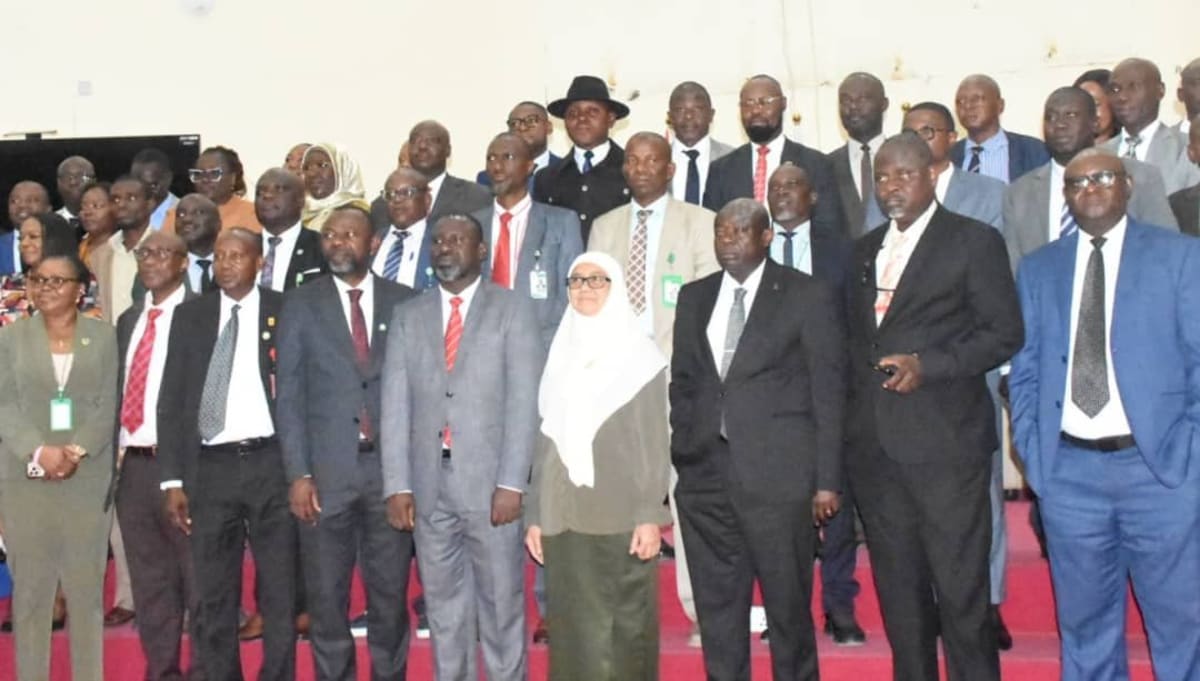
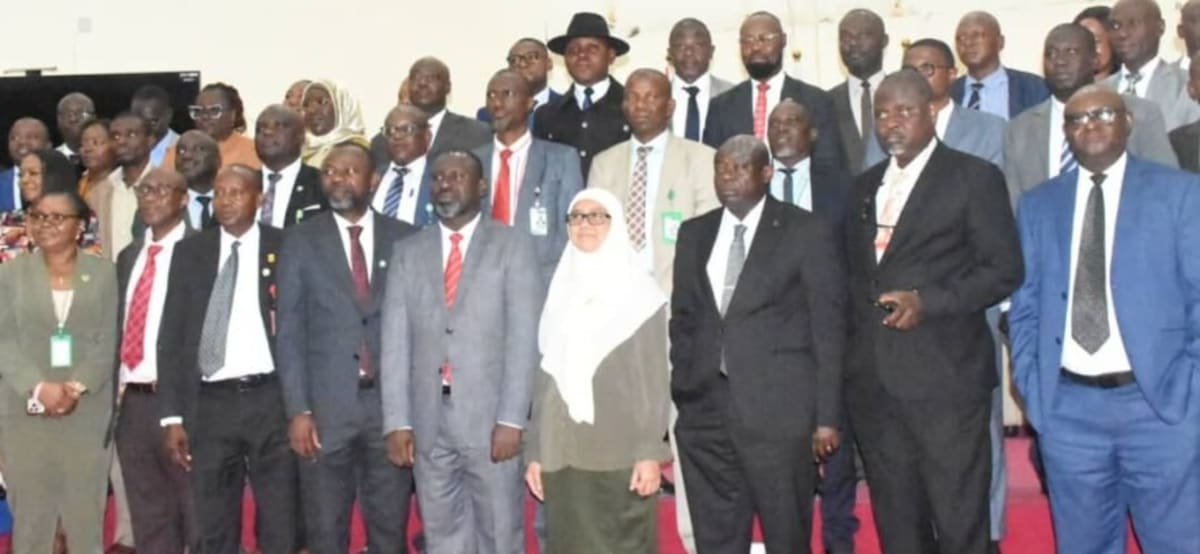
Ambassador Bambang Suharto shared his country's success story with Nigeria's Independent Corrupt Practices Commission on Monday in Abuja. The message was clear: smart enforcement strategies work, even against the most powerful offenders.
Indonesia's Corruption Eradication Commission, known as KPK, has become a model for fighting corruption since its launch in 2003. The agency arrested and convicted hundreds of high-ranking officials who once seemed above the law.
Their secret weapon? Intelligence-led sting operations backed by solid evidence and legal oversight.
"Operations require prior case-building, investigative data validation, and sufficient preliminary evidence rather than random instigation or pure entrapment," Suharto explained. Every sting operation needs approval from KPK's internal Supervisory Board before moving forward.
The consequences are serious. Corruption offenses in Indonesia can result in life imprisonment or jail terms between four and 20 years.
Indonesia also created a powerful transparency tool: a mandatory asset reporting system. Civil servants, executives at state-owned companies, and high-ranking officials must declare their wealth before taking office, annually during their tenure, and after leaving. The system even tracks assets belonging to immediate family members.
The Ripple Effect
KPK's impact goes beyond courtrooms. The agency won public trust by showing Indonesians that government business can happen without corruption becoming the norm.
Nigeria is paying close attention. Dr. Musa Aliyu, chairman of Nigeria's anti-corruption commission, said international cooperation and learning from proven strategies remains critical to strengthening the country's anti-corruption efforts.
Nigeria has already started building similar partnerships. The commission recently hosted Kenya's High Commissioner to exchange knowledge about fighting corruption.
Professor Sheriff Ibrahim, who organized the dialogue, noted that Indonesia's anti-corruption strategy combines preventive education, asset disclosure, and criminal prosecution. The approach targets specific problem areas like licensing, public financial management, and bureaucratic reform.
Suharto acknowledged the fight continues in Indonesia, particularly around bribery in public services and business licensing. But the progress proves that even deeply entrenched corruption can be challenged when agencies have the right tools, legal backing, and public support.
Indonesia's journey from colonial-era corruption to accountability offers hope for other nations in the Global South facing similar challenges. Success wasn't an accident but the result of persistence and smart choices that other countries can adapt to their own realities.
More Images
Based on reporting by Google News - Indonesia Success
This story was written by BrightWire based on verified news reports.
Spread the positivity!
Share this good news with someone who needs it