Germany Cuts Red Tape With Defense Tech Competitions
Germany's cyber innovation agency is using competitive challenges to speed up military technology procurement and connect startups directly with defense leaders. The next maritime security challenge launches in July with prize money and something even more valuable: direct military feedback.
Germany is proving that even the world's most bureaucratic systems can learn to move fast when innovation is on the line.
Cyberagentur, Germany's cyber innovation agency, has found a creative solution to the country's notoriously slow procurement process. Instead of forcing small companies and researchers through endless paperwork, they're hosting competitive technology challenges that bring innovators and military leaders together in months instead of years.
The agency's next challenge, called MARLIN, kicks off in July. Teams from NATO countries will have six months to develop solutions for maritime security operations, testing everything from sensor technology to cybersecurity and networking capabilities.
The winning team takes home 100,000 euros, plus up to 40,000 euros more to develop and test their idea. But according to Julian Laufs, the agency's head of strategic partnerships, the real prize is something money can't buy: direct feedback from German military officials.
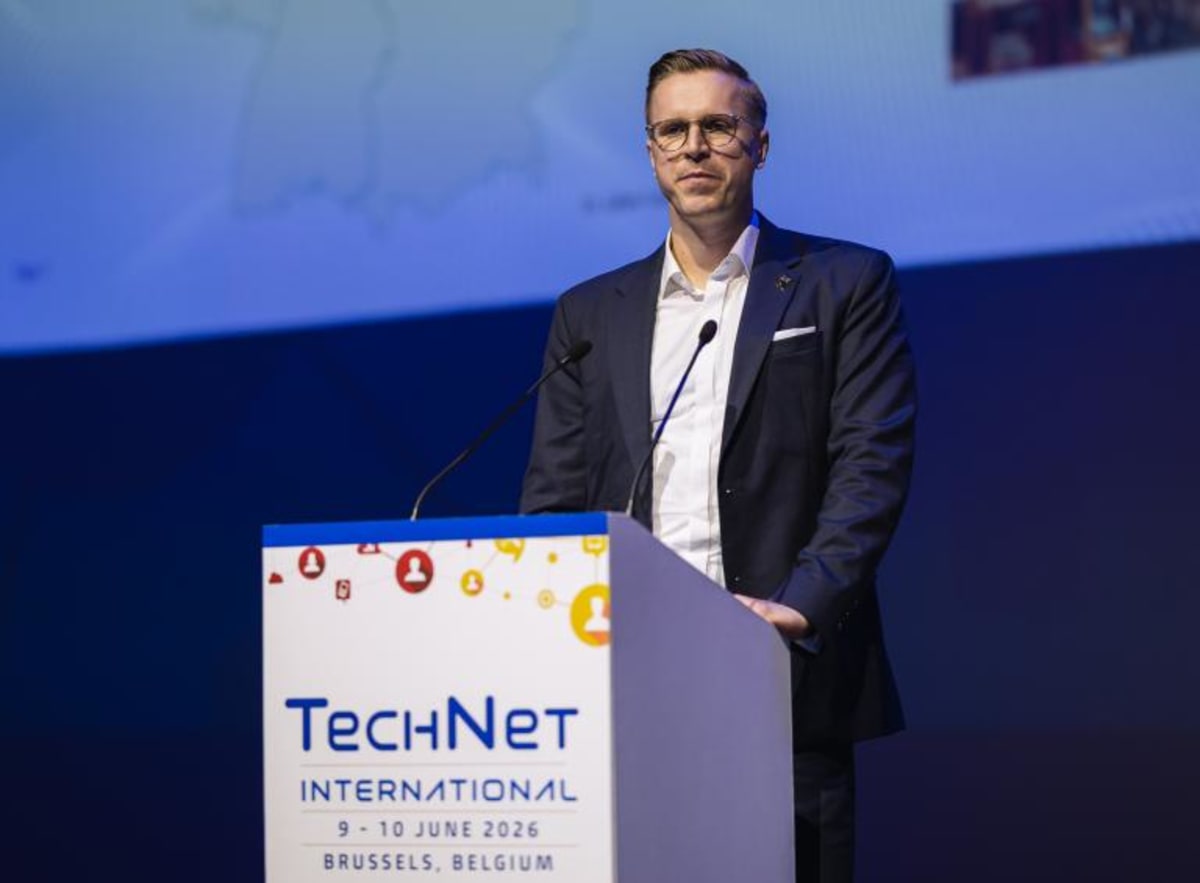
"It's quite difficult for companies and especially startups, small or medium enterprises, or researchers to get feedback from the military on their solutions, because there are a lot of hoops they have to come through," Laufs explained at TechNet International 2026 in Brussels.
Traditional defense procurement creates a frustrating catch-22 for innovators. They need military input to build relevant solutions, but they can't access military decision-makers without already having a proven product. These competitions break that cycle entirely.
The Ripple Effect
This approach does more than just speed up paperwork. It opens doors for smaller players who typically get shut out of defense contracts, creating opportunities for fresh thinking and breakthrough technologies.
The model also builds stronger relationships between military and civilian tech communities. When innovators understand real-world defense challenges, they create better solutions. When military leaders see what's possible with new technology, they make smarter investment decisions.
Germany ran its first challenge, SPECTRA, last year and learned valuable lessons that shaped the MARLIN competition. The agency is refining its approach with each iteration, proving that even large government systems can adapt and improve quickly.
Other NATO countries are watching closely. If Germany's experiment succeeds, it could inspire similar programs across the alliance, multiplying the benefits for defense innovation everywhere.
The bureaucracy that once blocked progress is now actively clearing the path forward.
Based on reporting by Google News - Germany Innovation
This story was written by BrightWire based on verified news reports.
Spread the positivity!
Share this good news with someone who needs it