Germany Hits 53% Renewable Power, Returns as Energy Exporter
Germany just powered through its cleanest winter ever, with wind and solar generating more than half the country's electricity for the first time since 2023. The surge dropped energy prices and turned the nation back into a net exporter after more than a year.
Germany's power grid just hit a milestone that seemed impossible a decade ago: renewable energy supplied 52.8% of the country's electricity in early 2026, marking its strongest clean energy performance in three years.
The shift happened fast. In the first three months of 2026, wind turbines and solar panels generated 66.5 terawatt hours of electricity, enough to power every home in Germany for nearly two months. That's up from 49.4% renewable energy during the same period last year.
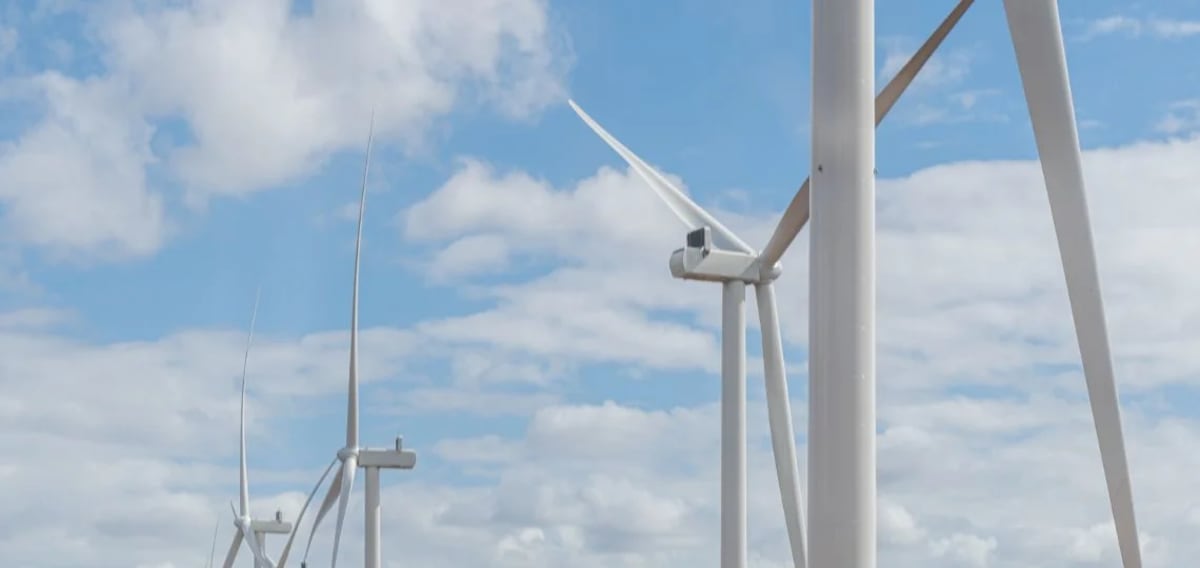
A particularly windy winter made all the difference. Onshore wind farms produced 23% more electricity than the previous year, while offshore wind turbines shattered records with a 45% jump in output. Those massive turbines spinning in the North and Baltic Seas alone generated 9.7 terawatt hours, the highest quarterly total ever recorded.
The renewable boom did something even more remarkable: it made electricity cheaper. Average wholesale power prices dropped nearly 9% to €102.17 per megawatt hour, below the European Union average. When the sun shines and the wind blows, fossil fuel plants can take a break, and everyone's energy bill benefits.
Germany also reclaimed its status as an energy exporter for the first time since late 2023. The country sent 2.6 terawatt hours more electricity to neighbors than it imported, with shipments to Denmark more than doubling and exports to Norway jumping by over 500%. Austria remained Germany's biggest customer, relying on German wind and solar to keep its own lights on.
Coal plants are quietly fading into the background. Lignite production dropped 5% and hard coal fell 3% as renewables absorbed more of the country's energy demand. Even during peak usage hours, Germany needed 8.5% less backup power from traditional plants than the year before.
The Ripple Effect
Germany's success is sending ripples across Europe's energy landscape. More than 57% of Germany's electricity exports now come from renewable sources, up from 55% last year. When Germany sells clean power to its neighbors, it helps Austria, Denmark, and Norway reduce their own fossil fuel dependence without building a single new wind farm.
The transformation also proves that renewable energy can handle real world demands, not just sunny summer afternoons. Germany's grid managed a 7% increase in total power generation while actually increasing the renewable share, showing that wind and solar can scale up when economies need more electricity.
Other European nations are watching closely and adapting their own energy strategies based on Germany's playbook.
Germany's renewable revolution shows that clean energy isn't just good for the planet—it's good for wallets, energy independence, and an entire continent's future.
More Images

Based on reporting by Google: renewable energy record
This story was written by BrightWire based on verified news reports.
Spread the positivity!
Share this good news with someone who needs it